

Never bored in this city
45 coolest things to do in Medellín, Colombia (2026)
I did a solo trip to Medellín planning to stay for 1 week. That’s how much time I thought I would need to execute the standard recommended tourist activities and visit the best places list.

I ended up staying for 3 years and I go back all the time – still with outstanding items on my Medellín hit list.
I could write a novel on all the city that make this place unique – the restaurants, the culture, the history, the music, the landscape, the indigenous communities, the environmental conservation efforts, the people…
but I’m going to start with a list of the 45 best things to do in Medellín, Colombia if you decide to visit in 2026.
Medellín is a city best experienced in motion. From its bustling plazas to hillside neighborhoods covered in murals, every corner feels alive with energy. What makes it special is how easy it is to move through – you’re never just observing from afar, you’re right in the middle of it.
For a more encompassing itinerary to Colombia, including Cartagena and Tayrona, check out this guide, and for a more expansive list on fun things to do in Colombia, as opposed to Medellín, see this article.
So what are the 45 best things to do in Medellín, Colombia in 2026?
Neighborhoods & getting around

This one is simple but fun. and good to start out with.
When you first get into Medellín, set out on foot and just wander around El Poblado. This is the main neighborhood where all the tourists (and most of the expats) spend the majority of their time.
It’s a self-contained square mile of swanky bars, restaurants, boutiques (like actual, ‘shop small’ boutiques), parks, fancy gyms, outdoor gyms, sidewalk markets, and outdoor eateries – everything you need to jumpstart your Medellín experience.
Orient yourself by thinking of the neighborhood as a rectangle with a top and a bottom. The ‘top’ is actually west and the bottom is actually east, but it’s on a steep hill, and I find it easier to figure out whether I’m going up or down than east or west.
The vibe changes drastically after dark, so put on your party pants or head to another neighborhood.

Mix food, drink, and shopping by splitting 1 dish and 1 drink at a few different restaurants – so you can experince more than 1.
Hit up a few bars, and duck into all the local boutiques. We have a list of Medellín’s best restaurants, street food to look out for, and a shopping hit list to help you shape your route.
If you’re one of those people who needs a tour for everything you’re in luck because, in Colombia, someone is always selling something – see here for El Poblado walking tours.
Hang where the locals do in Laureles-Estadio
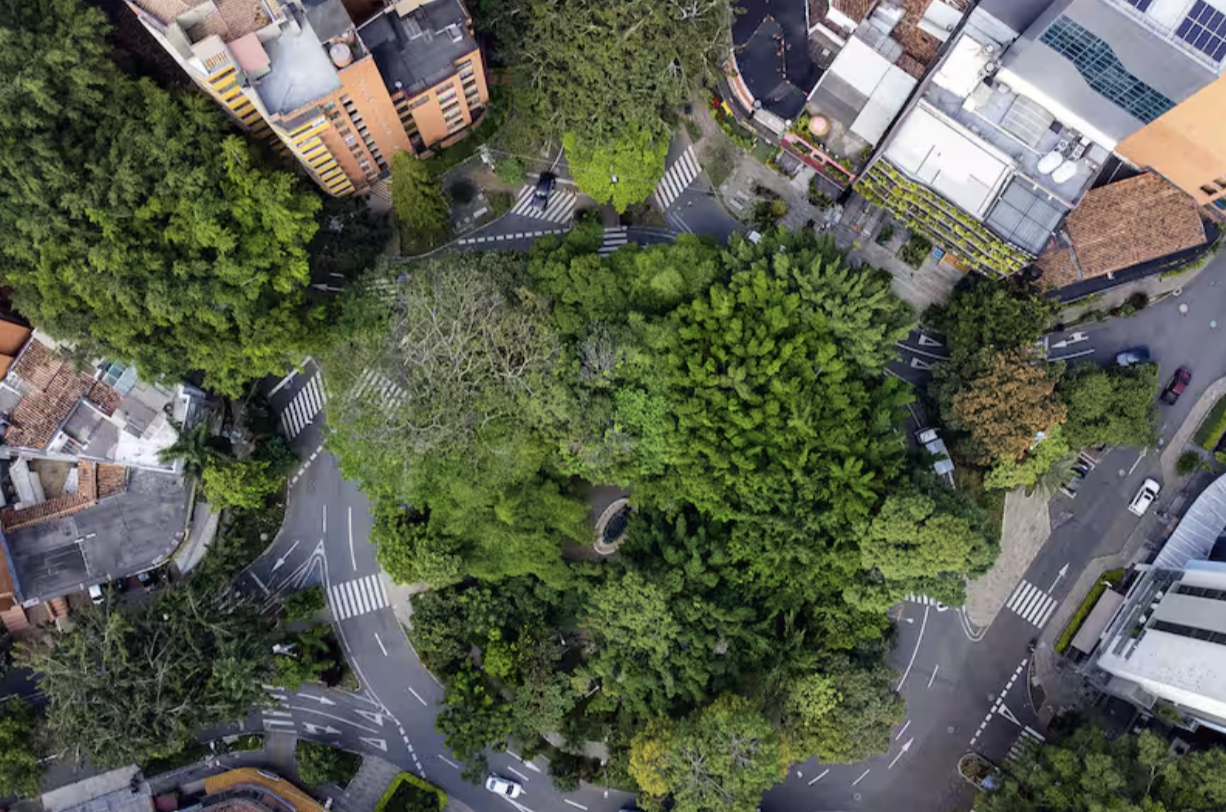
Skip touristy Poblado for a day and wander Laureles-Estadio — flat, tree-lined, and gloriously un-Instagrammed.
Post up on La 70 for cheap beers, local food, and salsa spilling onto the street, or catch a game near the stadium.
Wander the two roundabout parks — Primer Parque and Segundo Parque de Laureles — and grab a coffee at Pergamino or Café Zeppelin. La 33 is the other strip worth hitting for dinner and drinks. And if there’s a match on, get tickets to see Atlético Nacional or DIM at the Estadio Atanasio Girardot.
This is the neighborhood that finally feels like real Medellín.
Downtown Medellín: El Hueco, Cable Cars & Plaza Botero

While you’ll probably spend most of your time in El Poblado, you should definitely check out downtown, at least once.
Real City Tours and a few other companies offer free, 4-hour walking tours of the city center at 10:00 AM every day. This is a great way to learn about the city and get your bearings before setting out on your own. The guides speak English and suggested tipping is $10.
After the free walking tour, or in lieu of it, visit some other parts of El Centro (downtown) for some gritty, authentic Paisa culture.
El Hueco. Wander Medellín’s legendary discount market. Keep small cash handy and watch your stuff.
Then walk through the plaza, take photos with the sculptures, and pop into the Museo de Antioquia or Casa de la Memoria if you want to see rotating exhibitions and Plaza Botero.
Ride the cable cars: From downtown’s San Antonio station, connect to Acevedo station and hop on Line K up to Santo Domingo. The ride gives you sweeping views of the valley and the comunas climbing the mountainsides. If you’ve got more time, continue on Line L to Parque Arv for fresh air and hiking trails.
There are a lot of vendors selling street food in El Centro so take the opportunity to try out some traditional Colombian dishes such as empanadas with pique, and check out these main stops:
El Hueco
El Hueco literally means ‘the gap.’ But not like cool kid jeans in the 90s – more like a giant void in the earth full of junk.
iYou can find anything and everything here for super cheap. Not really the spot if it’s quality you’re after but if you’re looking for a game-day jersey, stolen electronics, or other one-time-use items, El Hueco’s gotchu.
Cable Cars
The cable cars are actually a pretty cool stop. It’s regular public transportation in Colombia, but for Americans, it’s like a ride at Disneyland, and one more thing to remind us that the US is so technologically backward compared to the rest of the world.
From the cable cars you can see the mountains and valleys and all the lower strata neighborhoods that house Medellín Proper’s 2.5 million people.
Plaza Botero
Fernando Botero is an internationally renowned artist whose work you’ll see all over the city / country.
His famous bronze sculptures are of ultra-voluptuous, nude people.
If you’re downtown you should stop by Plaza Botero and appreciate his work.
Keep in mind that nudity or public masturbation is not allowed inside the park.
Get meta with Pueblito Paisa

-
Go on your own: Take a taxi or rideshare straight up to Cerro Nutibara. It’s a 10–15 minute ride from El Poblado or Laureles. You can also walk up from the Industriales metro station in about 20 minutes if you don’t mind the hill.
-
Explore on foot: Wander through the small plaza, pop into the artisan shops, and visit the little museum. The main draw is the view over Medellín.
-
Eat & drink: Try traditional Antioquian snacks at the restaurants and food stalls.
-
Tours available: Join a guided Medellín city tour that includes Pueblito Paisa (many combine it with Comuna 13 and Plaza Botero). Check options here.
Culture, history & museums
Do a (respectful) Pablo Escobar tour

I’m going to address the Pablo Escobar tourism issue right away because it’s actually a really touchy subject.
As you probably know, Pablo Escobar was one of the richest men in the world during his time in the late ’80s, early ’90s. He started selling drugs at age 15 and quickly became one of the most powerful dealers in the world. At his peak, he supplied 80% of the world’s cocaine, offered to pay off the county’s debt in exchange for total amnesty, and killed 3 prominent politicians and countless police officers and civilians.
Dark history is fascinating.
I was fascinated and when I first got to Medellín and my first tour was the Pablo tour. I was driven around by one of Pablo’s drivers / hitmen and we went to Pablo Escobar’s brother Roberto’s house, where we met him and some other old narcos that were sitting around talking and smoking like they didn’t have a care in the world (they don’t, btw).
It was like being on the set of the Netflix series, but without the threat of being murdered. It felt like a really cool experience until I realized that it’s deeply offensive and definitivly unethical tourism.
As I became more integrated into the culture and the history of Medellín I realized that I had paid the people who had murdered thousands of my friends’ uncles and brothers to take me on a tour showing me where they did it.
I went to the grave site where the guy who orchestrated the whole thing was memorialized like a saint. Kind of embarrassing in retrospect.

That being said – it’s only human to be interested in such dark tourism – so here’s what I recommend doing instead:
Hire a Local Guide
… not one of Pablo’s henchmen, to take you around for a few hours.
I met an Uber driver a few years ago and he’s become my ‘driver’ – I have him pick up and drop off people who are visiting Medellín, and he also takes them around to see the Pablo sites.
He has no affiliation with Pablo and is a really nice, hard-working family guy and I feel safe with my friends in his hands. I can pass on his info to anyone who is interested.
Hike to La Catedral
The ‘prison’ from where Pablo was allowed to come and go as he pleased, have parties with prostitutes, and continue the drug trade is known as La Catedral.
It was the most luxurious prison imaginable, complete with a football pitch, a giant doll house, a bar, a jacuzzi, a waterfall, and all of Pablo’s friends. It’s vacant now, after a short stint under the ownership of some Benedictine monks who found it a peaceful place to meditate (which is weird).
You can hire a taxi to take you there, or if you want to make it a thing, hike up to it. It sits on top of a mountain and the helipad has great views of the city.
The Pablo Escobar Museum (owned by Roberto Escobar) is located inside La Catedral but was shut down in an effort to stop tourists from funding retired narco-terrorists. The museum housed photos, letters from fans, and things like the AK-47s used by his bodyguards.
Walk by Monaco and Club Campestre
The building where Pablo lived with his family toward the end of his time and that was car-bombed in ’88 (when he and his family were home), was demolished in February 2019. It was supposed to be replaced by a memorial for the victims, but I’m not sure what is there now.
You can watch it get demolished, below:
It’s located in Poblado, next to another point of interest. Club Campestre is a country club where Pablo, his cartel, and his victims all hung out. It still operates as a golf course and club, so you can either just walk by it while you’re out and about, or make a golf day out of it.

See the House Where Pablo Was Shot (or don’t)
Pablo’s Gravesite
I would skip this too. The simple act of people visiting the gravesite makes it a memorial. There were flowers on it and stuff and it just felt gross.
How to do respectful Pablo tourism
- Self-guided tour: Google the spots, ask Chat GPT about the history and go. Save money, don’t sponsor terrorsim, and get your steps in.
-
Hire a local guide: If you want I can put you in touch with my guy who can take you around to the spots. If you connect your own research and pop culture lure with his basic knowledge as a regular Colombian (they were all affected and, as an unfortunate result, know a lot about it), you can visit the sites with enough knowledge to get the point.
-
Do a tour: If the above two don’t suffice, tours can be found here. Keep it on the dl and don’t talk about it in public.
Visit the Museo Casa de la Memoria

All this talk about what not to do when learning about Colombia’s civil war is a perfect segue into the House of Memory Museum – tourism dedicated to Colombia’s dark past – told from the victims’ perspective.
This museum is a great way to understand more about the country’s troubles, for which it is unfortunately well-known, without sensationalizing the villains.
Permanent exhibits about Medellín’s conflict, testimonies from victims, multimedia art installations, and rotating cultural programs. Most information is in Spanish, so if you’re not fluent I recommend booking this tour.
How to do the Museo Casa de la Memoria
-
Getting there:Take the metro to Parque Berrío or Universidad stations and grab a short taxi, or go directly by rideshare (15–20 minutes from El Poblado). The museum is located in the Boston neighborhood, near Parque Bicentenario.
-
Entry: Free admission (though donations are encouraged). Bring an ID to register at the entrance.
-
Time needed: 1–2 hours, depending on how fluent you are in Spanish.
-
Tours available: Some Medellín city tours include a stop at the museum. If not, book this tour if you want the fullhistorical context.
Do a Comuna 13 tour

Another way to do dark tourism responsibly is by touring Comuna 13.
Not long ago this barrio was one of the most dangerous neighborhoods in the world. Now it’s a cultural epicenter of hip-hop, graffiti, and Colombian youth.
Just 20 years ago Comuna 13 was also the Colombian military’s largest urban offensive against guerrilla supporters.
On October 16th, 2022, President Uribe – largely praised for his success against the FARC and other guerrilla groups – launched Operation Orion. Banded as an attempt to take out left-wing guerrillas using 3,000 troops backed by helicopters, it was controversial from the start, and ended with 18 dead, 34 wounded, and almost 250 arrests among the civilian population of Comuna 13.
The event is tragic and interesting and I highly recommend touring Comuna 13 if you want to learn more – and honestly be inspired.
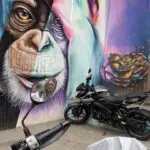
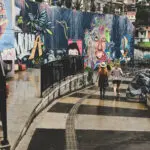
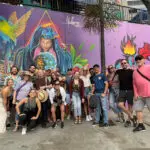
The art is really impressive, the street food is fun to try, and the whole neighborhood feels oddly modern. You feel very safe. Everyone is nice and friendly. The srt scene is organized but grassroots. And there is a super modern escalator system going through the entire neighborhood.





How to do Comuna 13
-
Getting there: Ride the Medellín metro to San Javier station (Line B). From there, it’s a short walk or taxi to the base of the escalators.
-
DIY Tour: Follow the escalators upward through the murals – the path is clear and always full of visitors.
-
Tours available: It’s less than $20 for a 4-hour tour of the Comuna’s history, street food, and graffiti, or I can put you in touch with a private guide.
Nerd out at Parque Explora & the aquarium
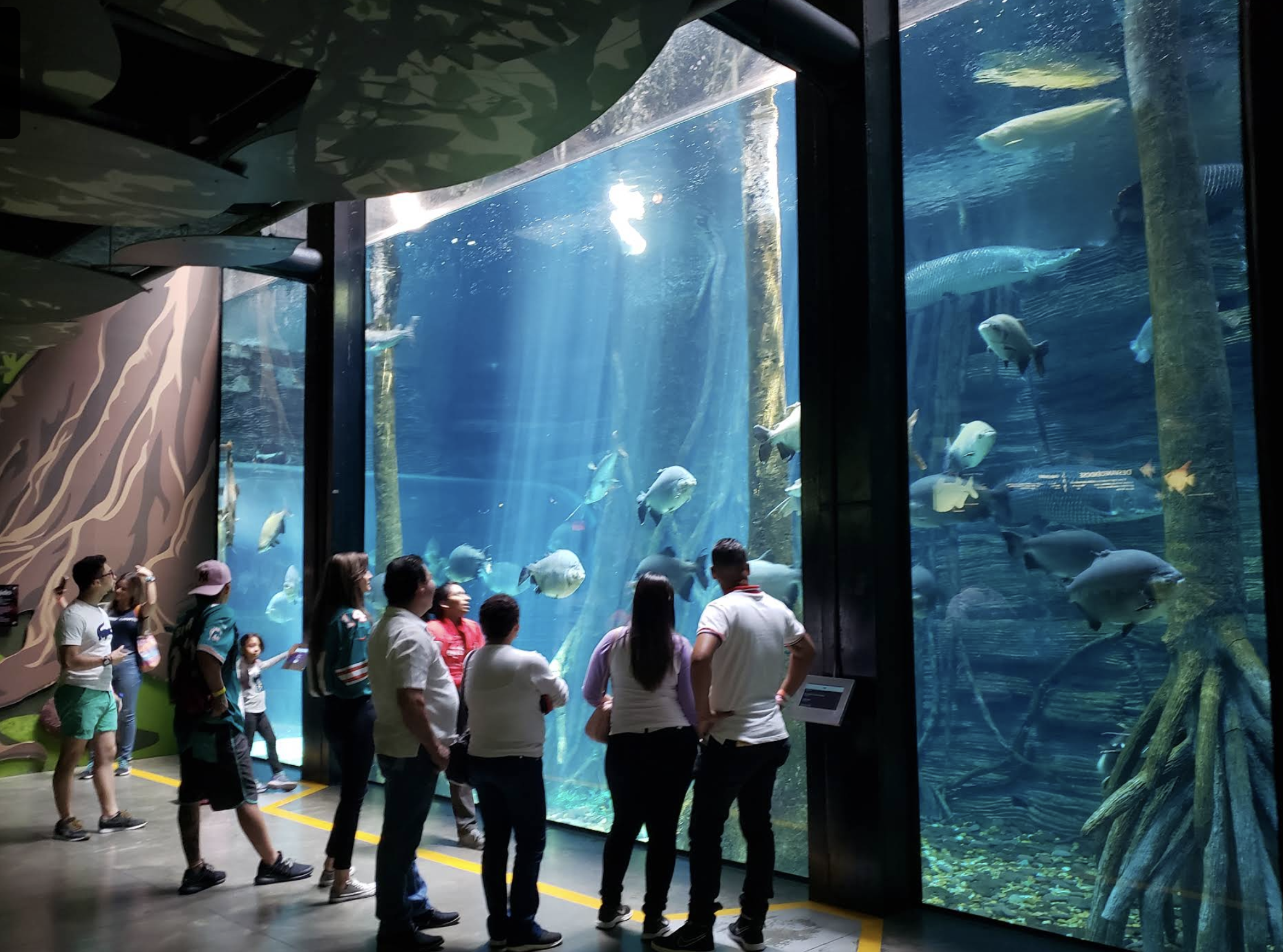
I know a science museum sounds like something you drag your nephew to, but Parque Explora is genuinely one of the most fun afternoons in Medellín, and I say that as someone who usually finds museums a snooze.
It’s a giant interactive science museum — everything is hands-on, so you’re pressing buttons, running experiments, and messing with exhibits instead of reading plaques. There’s a dinosaur section, a vivarium full of snakes, frogs, and other things that make your skin crawl, and a planetarium right next door if you want to add the stars to your day.
But the real star is the aquarium — the biggest freshwater aquarium in South America, packed with Amazonian monsters like pirarucú and electric eels, plus a few tanks that’ll genuinely stop you in your tracks.
It’s the perfect rainy-day plan (and Medellín rains a lot in the afternoons), an easy win if you’ve got kids along, and honestly a great low-key day if you’re nursing a hangover from Parque Lleras the night before.
Bonus: it’s directly across from the Jardín Botánico and right at the Universidad metro stop, so you can knock out both in one easy afternoon.
Wander a Gothic castle at Museo El Castillo
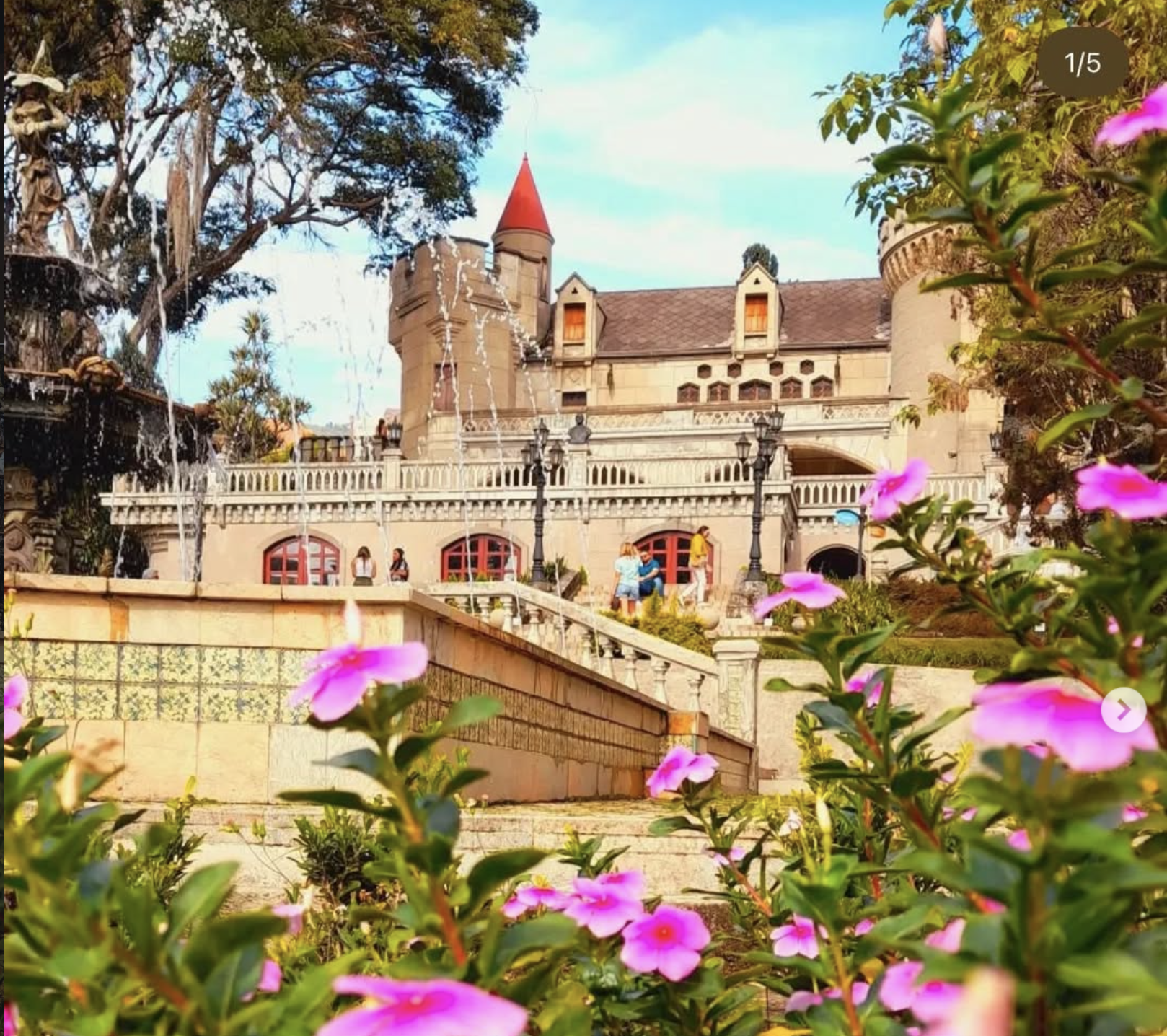
This one always surprises people: there’s a medieval-style castle sitting quietly in the hills of El Poblado, and almost no tourists know about it.
Museo El Castillo is a 1930s Gothic mansion — turrets, stone, stained glass, the whole fairytale — that once belonged to one of Medellín’s wealthy industrial families and is now a museum. Inside, you can take a guided tour of the house with its original furniture, art, and creaky old-money grandeur still intact.
The best part is outside: manicured French gardens, hedges, fountains, and sweeping views over the valley — it’s the kind of place that feels completely un-Medellín, like you wandered into a little pocket of Europe.
It’s quiet, it’s pretty, and it’s a lovely palate cleanser between the chaos of Comuna 13 and the party of Poblado. They also host concerts and cultural events in the gardens, so check what’s on.
It’s up in El Poblado off Loma Los Balsos — a quick taxi or Uber, since it’s tucked up a hill — and cheap to get in.
Outdoors & views
Paragliding Medellín

Book a tandem flight with a licensed operatorand snow up.
Explore the Jardín Botánico

Something that I find incredibly boring but most people like are botanical gardens. If you’re of the latter camp, check out the Jardín Botánico.
The gardens feature over 4,000 species of plants from all over Colombia as well as other parts of Latin America. There are hiking trails through the park along with a bird aviary.
Walk through themed areas like the cactus garden and butterfly house, check out the lagoon, and don’t miss the iguanas sunbathing on the paths. Bring your own snacks for a picnic, or try the on-site restaurant In Situ, one of the city’s better fine-dining spots in a leafy setting.
The gardens host cultural festivals throughout the year, most famously Orquídeas, Pjaros y Flores, Medellín’s orchid and flower fair.
Tours combined with things like Parque Arv can be found here, if you’re into that.
Ride the Metrocable up to Parque Arví
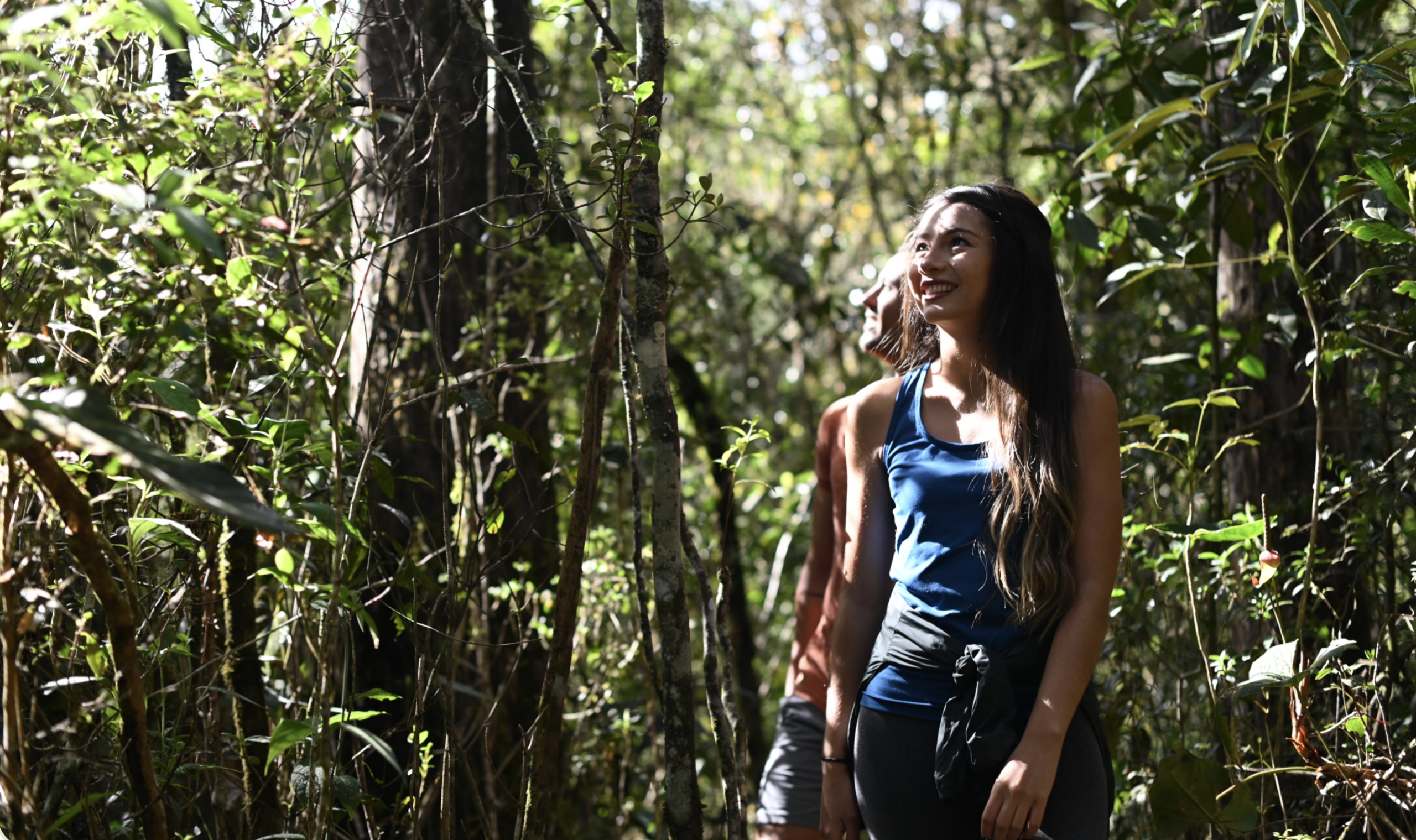
If you only do one thing with the cable cars, make it this: float up over the whole city and out into Parque Arví, a massive ecological reserve in the mountains that feels a world away from the concrete and traffic below.
The ride itself is half the reason to go. You take the Metro to Acevedo, switch to Línea K up to Santo Domingo, then hop the Línea L gondola that glides silently over the forest for a good 15 minutes — no city underneath you anymore, just trees.
Up top it’s cool, green, and quiet. There are hiking trails through cloud forest, pre-Hispanic archaeological sites, and on weekends a lovely little market selling organic food, honey, herbs, and crafts from local vendors. Grab an arepa and a hot canelazo and just wander.
It’s the easiest way to trade the city for nature without renting a car or leaving town — and after a few days of Poblado, your lungs will thank you.
Catch the whole city at golden hour from La Palma Mirador
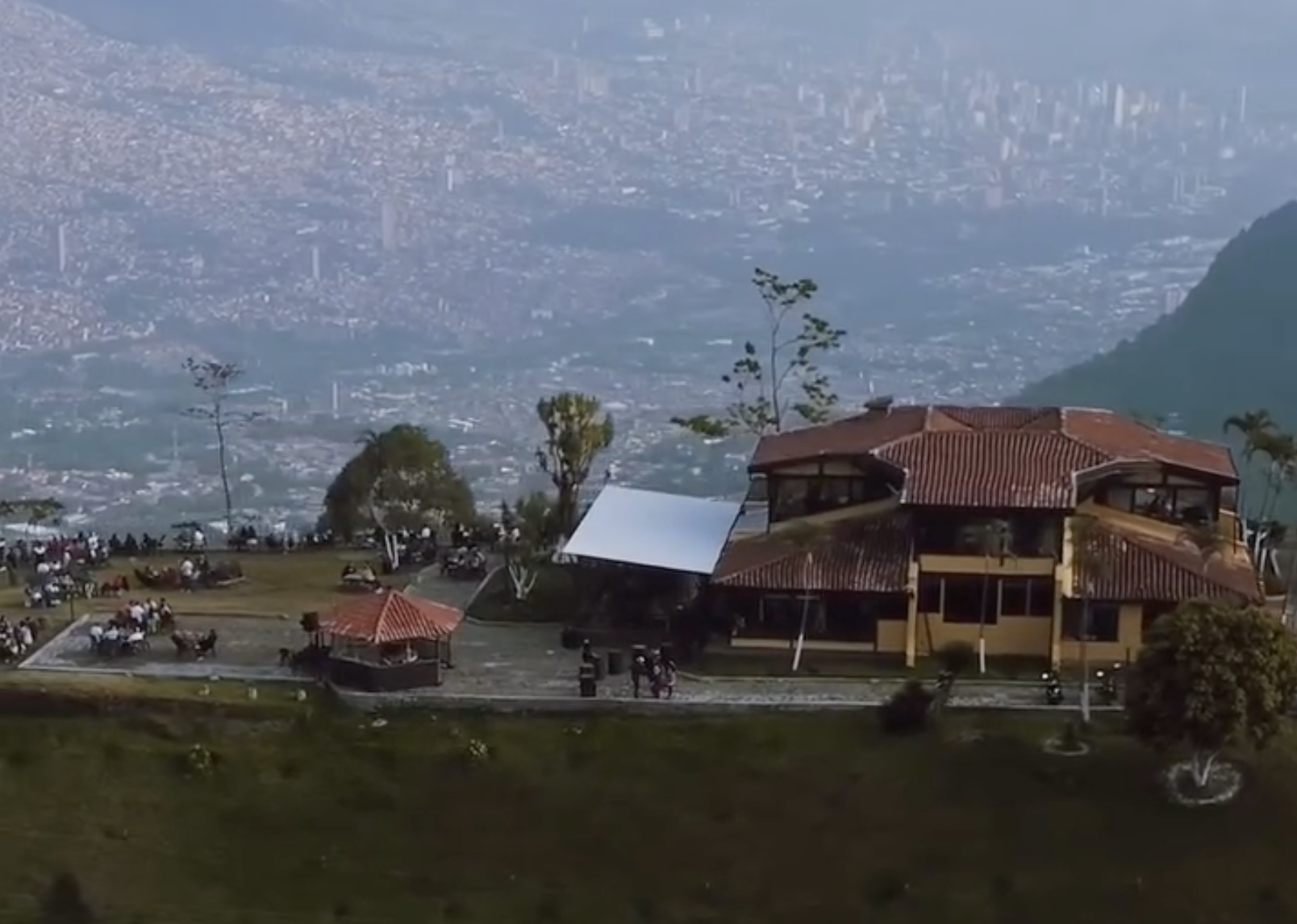
Everyone chases the skyline shot from a Poblado rooftop, but the best view in Medellín is actually up on the Las Palmas road, at a mirador like La Palma — and it costs a fraction of a rooftop cocktail.
As you wind up the mountain out of El Poblado, the whole valley opens up beneath you: millions of lights spilling across the hills, planes drifting into the airport, the whole bowl of the city glowing. Come at golden hour and watch it shift from sunset to a sea of lights — it’s genuinely one of those “oh, this is why people love this place” moments. I love this particular mountainside.
The miradors up here range from little roadside stands — grab a beer, a coffee, or a mango biche and just post up on the railing — to full sit-down restaurants with terraces if you want to make a night of it. It’s a favorite date spot for a reason.
A few things to know: it’s noticeably cooler up top, so bring a jacket, and since it’s up a mountain road, take a taxi or Uber and either have them wait or book the round trip — you don’t want to be stuck up there trying to flag a ride in the dark.
Go for sunset, stay for the lights, and thank me later.
Go horseback riding in the countryside around Barbosa
After a few days of metros, murals, and rooftops, there’s something perfect about swapping all of it for a horse and a green mountain trail. Head up to Barbosa, about an hour and a half north of the city, and you’re suddenly deep in the paisa countryside — rivers, farms, fincas, and that slow, unbothered pace the city forgets.
Colombians take their cabalgatas (group horseback rides) seriously — it’s a whole social tradition, often with music, aguardiente, and a lunch stop built in. You don’t need any experience; the horses know the trails better than you ever will, and the guides keep it easy.
You’ll cross streams, ride past grazing cows and coffee farms, and get the kind of wide-open mountain views you just don’t get from inside the city. It’s quiet, it smells like rain and grass, and it’s the antidote to a weekend that’s gotten a little too Poblado.
Most tours include round-trip transport from the city, so you don’t have to figure out the logistics — just show up, saddle up, and enjoy a completely different side of Medellín.
Food & drink
Eat Menú del Día

When all this cruising makes you hungry, stop by one of the outdoor seating areas anywhere that you see an easel or chalkboard that says ‘menu del dia.’
Colombia has a ton of really great food but this: is the menu of the day. It’s a very basic meal – kind of street food meets restaurant – but tastes great and does the job.
It’s a healthy platter – a protein, rice, plantains, salad, and fresh juice kind of deal, and it’s under $3 at the local joints. It’s all I eat when I’m with my Colombian friends.
Over the last few years the market has expanded to serve tourists’ high-maintenance tastes. It’s still a great deal and very good food, but now with vegan options, which I know Colombians aren’t eating – and costs more like $4 – a 25% increase!
It’s basic, healthy, filling, and a very Colombian experience.
Pro tip: don’t mess around with the vegetarian options unless you’re a vegetarian – chicken is always the best when it comes to men del día.
And if you’re “like, that was great, glad I experinced it, but now I’m feeling more fancy,” check out one of Medellín’s 17 best restaurants.
How to do Men del Día
-
Go during lunch: Men del día is a lunch thing, which is nice, because you can save those fancy dinners for the nighttime.
-
Go local: While you can find some expat-oriented places in El Poblado, some even being vegan for you special people, the real men del día is local. It’s in the back of a convenience store in a neighborhood where 90% of the residents don’t speak English.
Experience a real coffee farm
This is on my list for when I get back to Colombia in February.
One of the coolest ways to see a side of Medellín that most tourists miss is the coffee farm tours, which are abundant in the coffee region but harder to come by in Medellín. Medellín Tours, however, runs one in Barrio La Sierra – a welcoming neighborhood that’s transformed from a grittier past into a spot where locals are growing some of the best coffee in Antioquia.
You’re taking a railcar, then the metro cables up into the mountains (an experience in itself), then you walk through a real barrio where families live and work, climbing 250 stairs to reach an actual working coffee farm of over 80,000 plants.
They show you the entire coffee production process from seed to cup – and it’s supposed to be really hands-on, with Colombian coffee farmers who have been doing this for generations.

Treat yourself to a 4-star dinner at a 1-star price

Even if you’re not hitting the streets of Medellín after hours, treat yourself to a fancy dinner while you’re here.
Medellín’s dining scene has exploded in recent years, with chefs blending traditional Colombian flavors with international influences. They incorporate what many Americans view more as street food – arepas and empanadas – into polished tasting menus that rival anything you find in the US but at 1/3 of the cost.
If you’re not here to spend your life savings on fancy food that’s fine, too. This city offers something for every appetite and budget, from the casual cafes and most ambitious fine-dining spots to local joints, where you can get more tradition and less pomp and circumstance.
For an upscale experience, Medellín has world-class restaurants that rival Bogotá. Places like El Cielo, led by celebrity chef Juan Manuel Barrientos, or Carmen, known for its modern Colombian fusion, offer tasting menus that highlight local ingredients in creative ways. Meanwhile, casual gems like Mondongos serve hearty Colombian staples such as bandeja paisa in a more down-to-earth setting.
Here are some heavy-hitters to help begin your search and whet your appetite:
- El Cielo
- OCI
- Carmen’s
- … see the full list here.


Take a Colombian cooking class
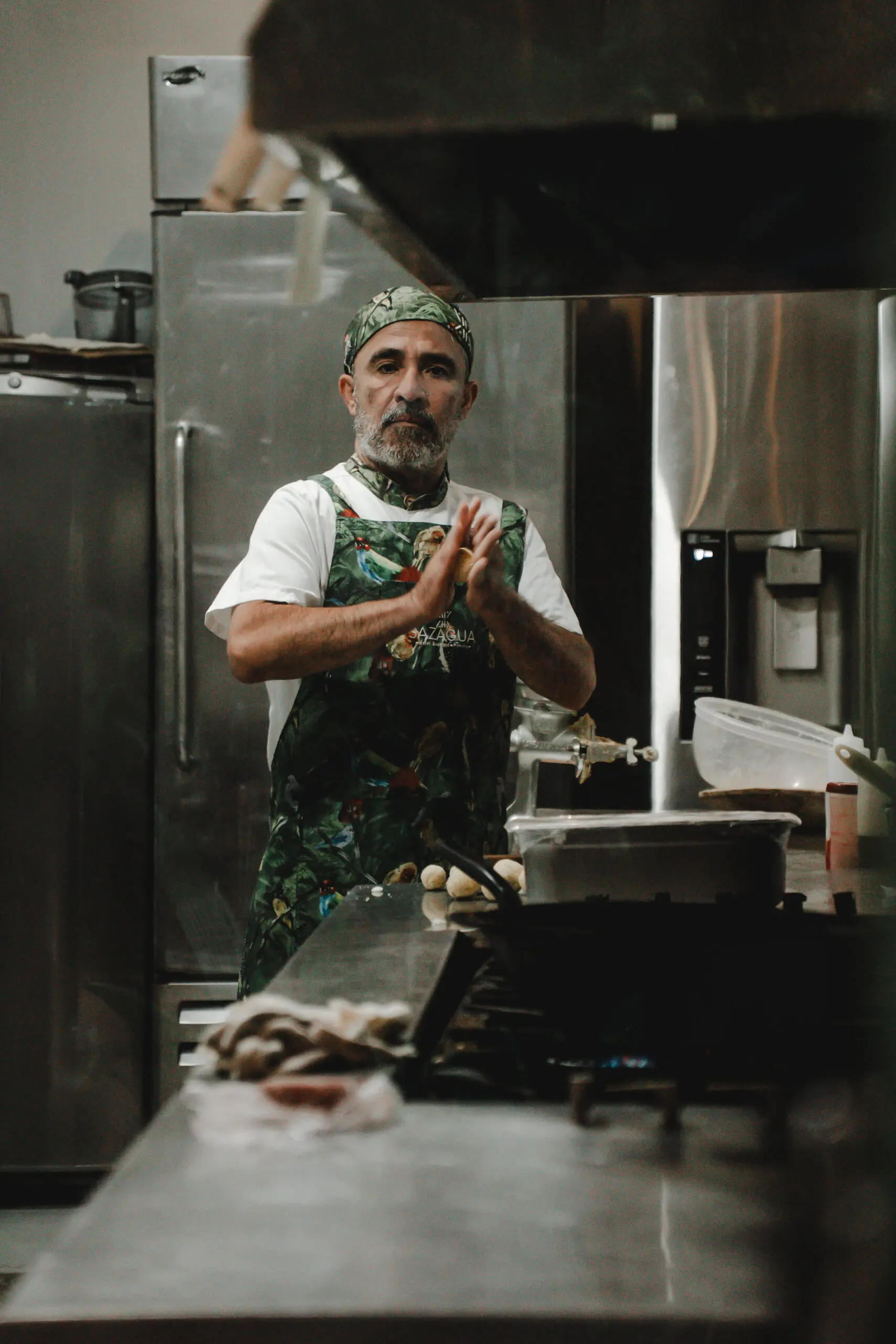
If you’ve fallen in love with the food here — and you will — the best souvenir you can take home isn’t a keychain, it’s knowing how to make it yourself. A Colombian cooking class is hands-on, hilarious, and genuinely one of the most fun afternoons you can book in Medellín.
You’ll learn to make the paisa classics from scratch: arepas (the good kind, not the sad dry ones), empanadas with that crispy cornmeal shell, patacones (smashed fried plantains), and if you get a good one, a full bandeja paisa — the mountain of beans, rice, chicharrón, egg, and everything else that defines this region.
The move is to book one that starts with a market trip. You walk the stalls first, and a local shows you the exotic fruits, the herbs, the cuts of meat — then you haul it all back and actually cook it. Two experiences for the price of one, and you leave understanding the food, not just eating it.
It’s also just a really good social afternoon — you’re chopping, frying, laughing, and drinking with a small group and a chatty host, and there’s always way too much food at the end.
Come hungry, wear something you don’t mind getting a little messy, and don’t fill up on street food beforehand — you’re going to want room.
Taste fruit you’ve never heard of at Plaza Minorista

Colombia has some of the most insane biodiversity of fruit on the planet, and most of it never makes it out of the country because it’s too delicate to ship. Which means the only way to try it is to go where the locals actually shop: the Plaza Minorista, a giant, chaotic, gloriously un-touristy market in the middle of the city.
This is where you meet the fruits that sound made up — lulo (tastes like citrus met a kiwi), guanábana (creamy, custardy soursop), mangostino, zapote, granadilla, níspero, borojó (the one they swear is an aphrodisiac). Half of them you’d never pick up on your own, and you definitely wouldn’t know how to open or eat them.
That’s why the move here is a fruit tour. A local walks you stall to stall, hacks everything open, tells you what it is and how to eat it, and lets you taste your way through a dozen-plus varieties while the vendors heckle and laugh. It’s part food experience, part cultural crash course, and it’s one of the best hours you’ll spend in Medellín — for like the price of a cocktail back home.
You can wander it solo, but without a guide you’ll mostly just point at things and hope. Go with someone who knows it.
Come hungry, bring small cash, and keep an eye on your stuff — it’s busy and real, not a polished tourist market, which is exactly why it’s great.
Do a Colombian chocolate tour
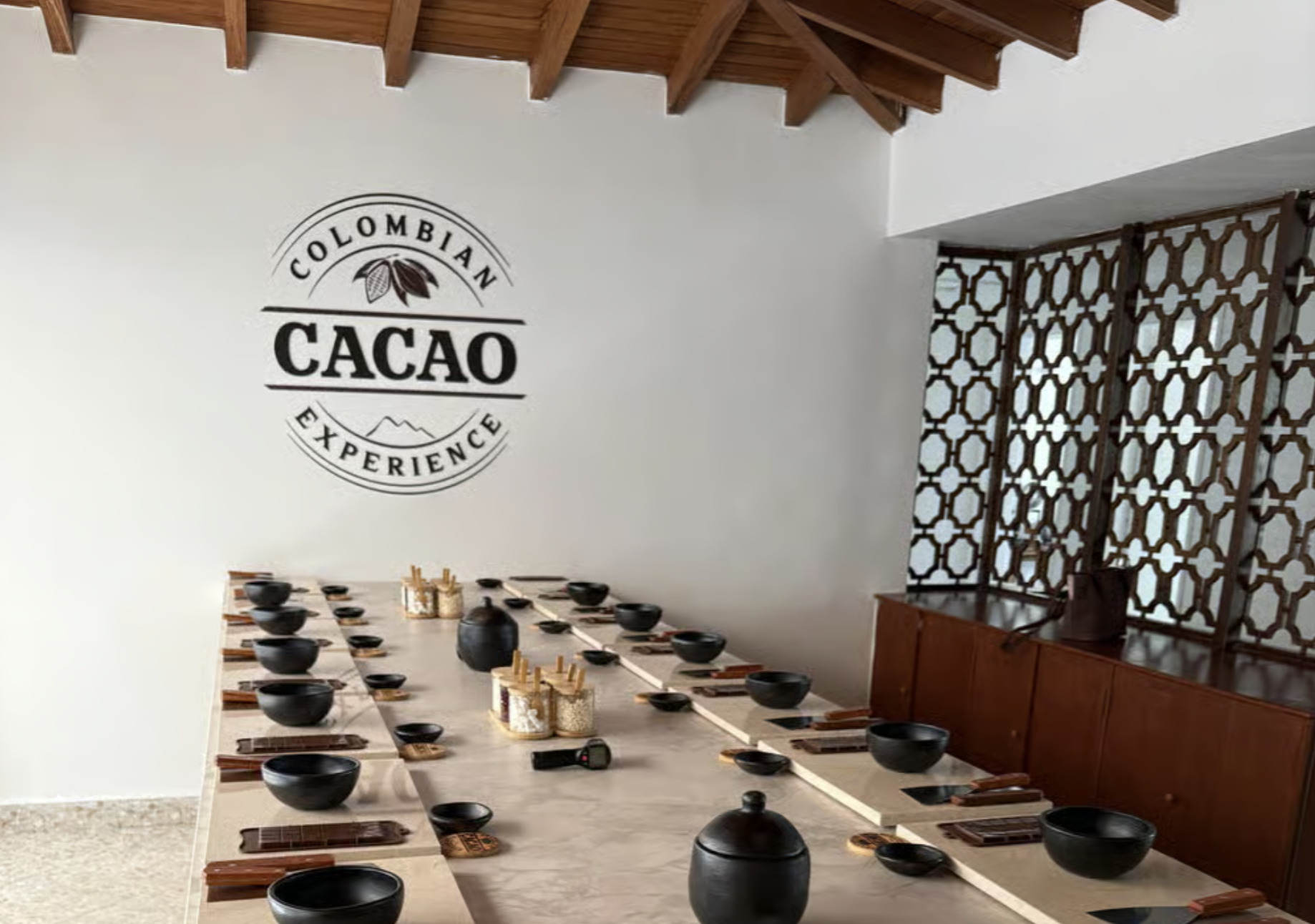
Everyone knows Colombia for coffee, but the cacao here is world-class too — and a lot less crowded as a tourist thing. Mix them together and you have God’s gift.
A chocolate tour takes you through the whole journey from bean to bar, and it’s way more hands-on and delicious than it sounds.
You start with the raw cacao — cracking open the pods, tasting the weird sweet white pulp around the beans (a surprise for most people), then watching them get roasted, peeled, and ground down into actual chocolate. The smell alone is worth it.
The best part is you make your own bar: temper the chocolate, add your toppings, and walk away with something you actually made. You’ll also taste your way through different cacao percentages and learn why single-origin Colombian chocolate is having a moment.
A lot of the good ones are out on a small family cacao farm just outside the city, so you get a little countryside and a farmer’s-eye view of how it’s grown — not just a kitchen demo. It’s hands-on, it’s sweet, and it’s genuinely fascinating even if you think you don’t care about chocolate.
Pro move: pair it with a coffee tour on the same day and call it your “Colombia’s two best exports” itinerary.
Come with a bit of an appetite (there’s a lot of tasting) and don’t wear white.
Eat your way through Envigado & Sabaneta
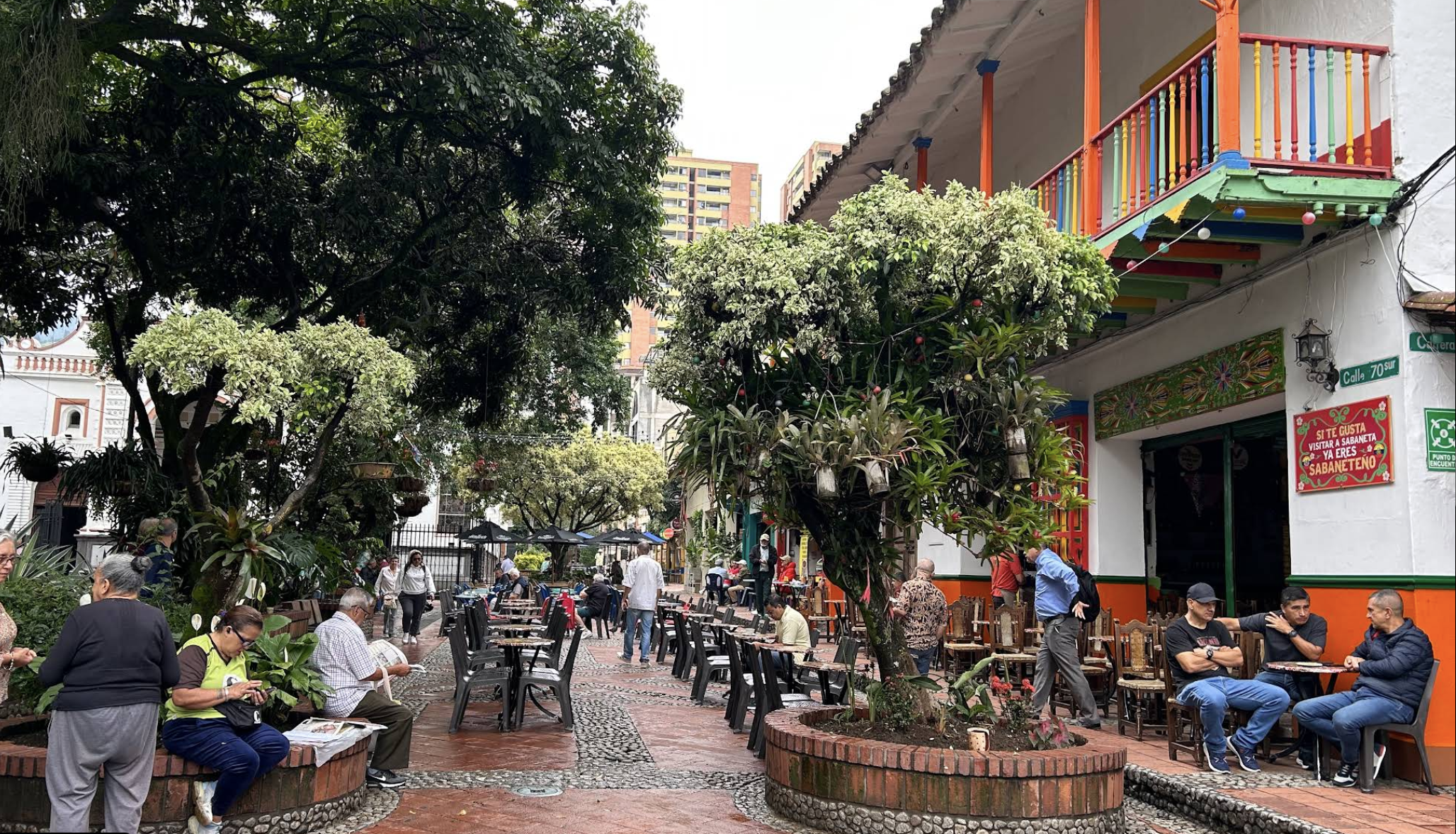
Just south of the city are two towns — Envigado and Sabaneta — that technically got swallowed by Medellín’s sprawl but somehow kept their small-town paisa soul completely intact. This is where you go to eat like a local and see the version of Antioquia that has nothing to do with tourists.
Both are built around a classic town plaza with a church, and the plaza is the whole point. In the evenings it fills up with families, old men playing cards, kids running around, and everyone spilling out of the restaurants and bars ringing the square.
This is traditional food territory — sancocho (the hearty soul-soup), chicharrón the size of your forearm, bandeja paisa, and cold aguardiente or a michelada under string lights. Sabaneta’s plaza especially is famous for its little fritanga joints and old-school bar culture — go on a weekend night and it’s alive.
The beauty of it is that it’s dirt cheap and completely un-Instagrammed. You’re not going to spend more than $30 on food here no matter how much chicharrón you can put away — and you probably won’t see another tourist all night.
Both are a straight shot on the Metro (Line A), so it’s an easy, low-effort evening. Go hungry, go local, and just follow the crowd to the busiest plaza.
Eat at Karol G’s or Maluma’s restaurant
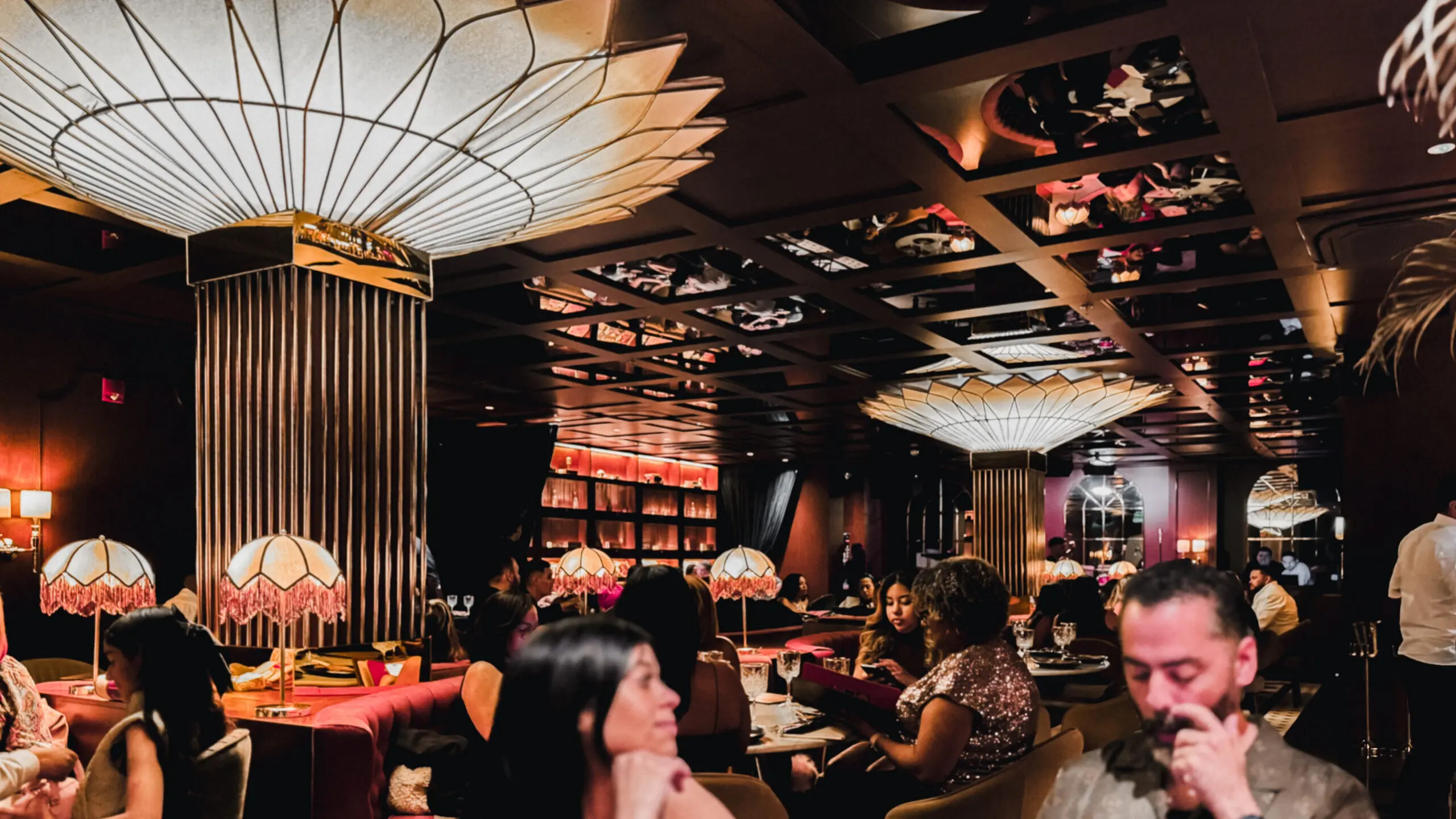
Medellín’s two biggest exports after cocaine are Karol G and Maluma — and they’ve both parlayed global superstardom into restaurants right here in their hometown. Is it a little touristy? Sure. Should you go anyway? Absolutely.
I’ve done Karol G’s and it was a genuinely great time — not just a name on the door. The food’s solid, but the real draw is the atmosphere: there’s a live band up front playing her hits all night, the crowd is buzzing, and — the kicker — apparently she actually shows up and sings sometimes when she’s in town. Even if she doesn’t, it feels like a party.
I haven’t hit Maluma’s yet (it’s on the list for my next trip), but by all accounts it’s the same energy — a see-and-be-seen spot where the vibe is the point as much as the plate.
Go for the experience, not a quiet dinner, and reserve ahead (both fill up, especially weekends), dress a little, and go in expecting a show with your dinner rather than a Michelin meal. That’s exactly what makes it fun.
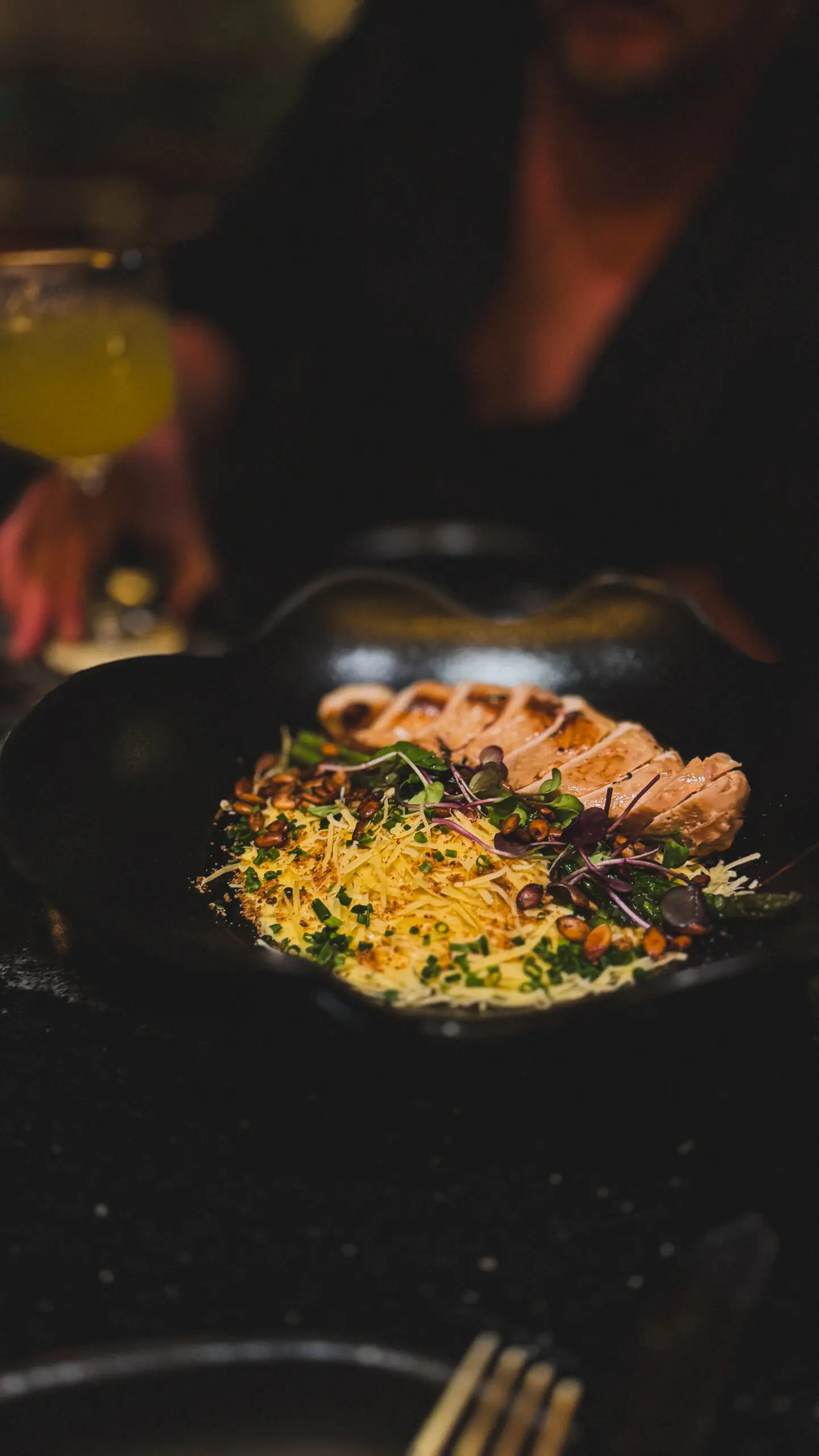


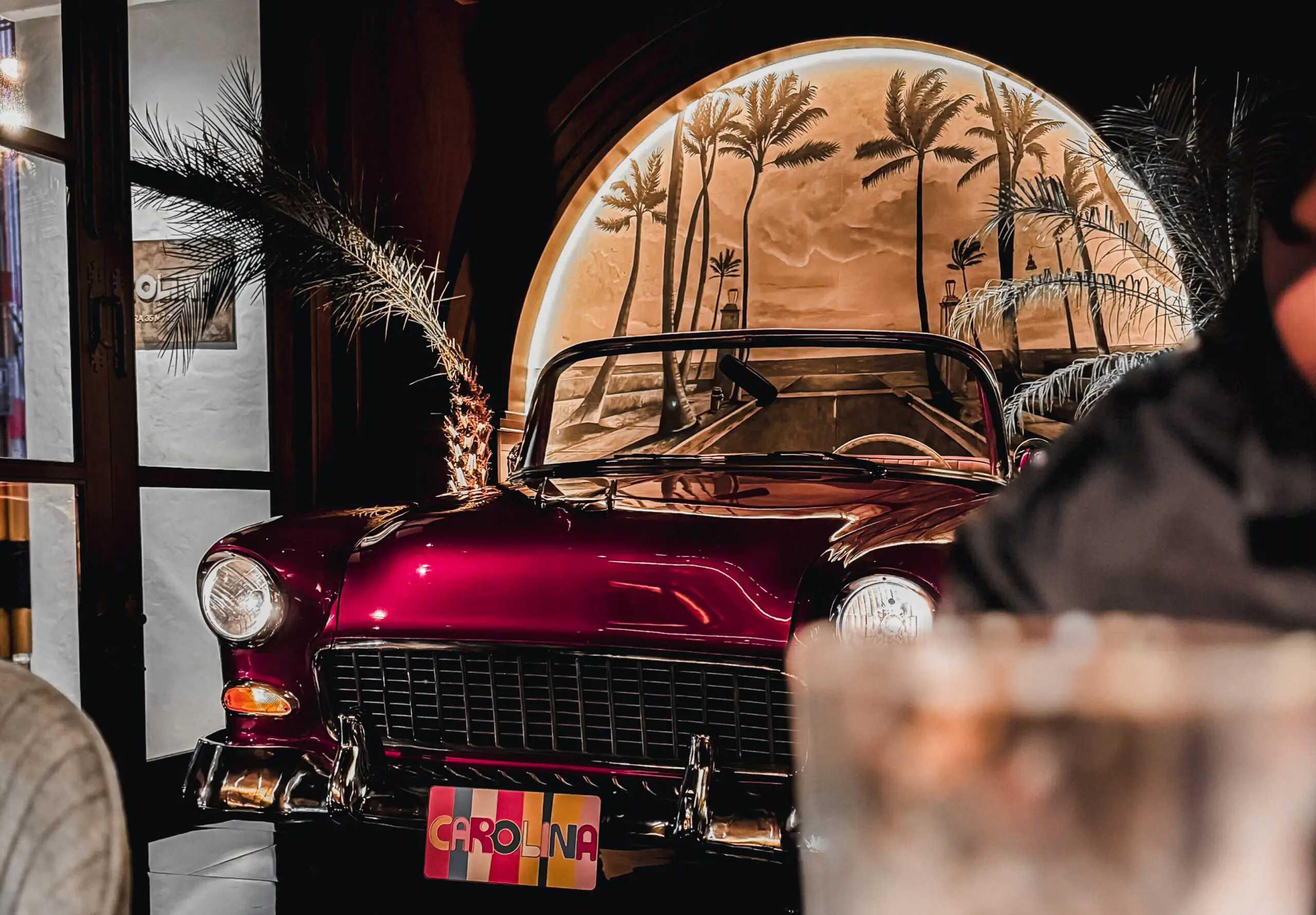
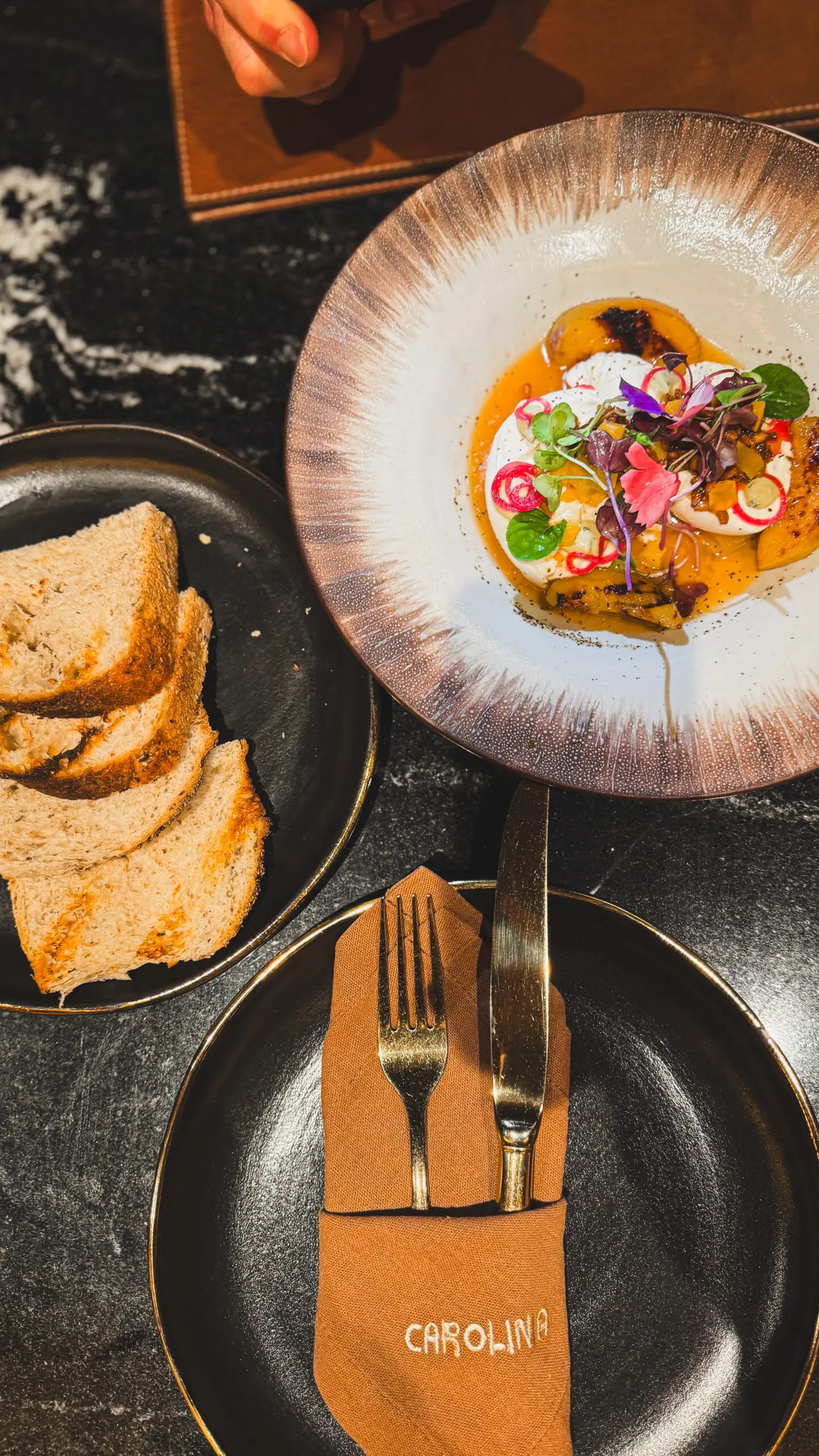
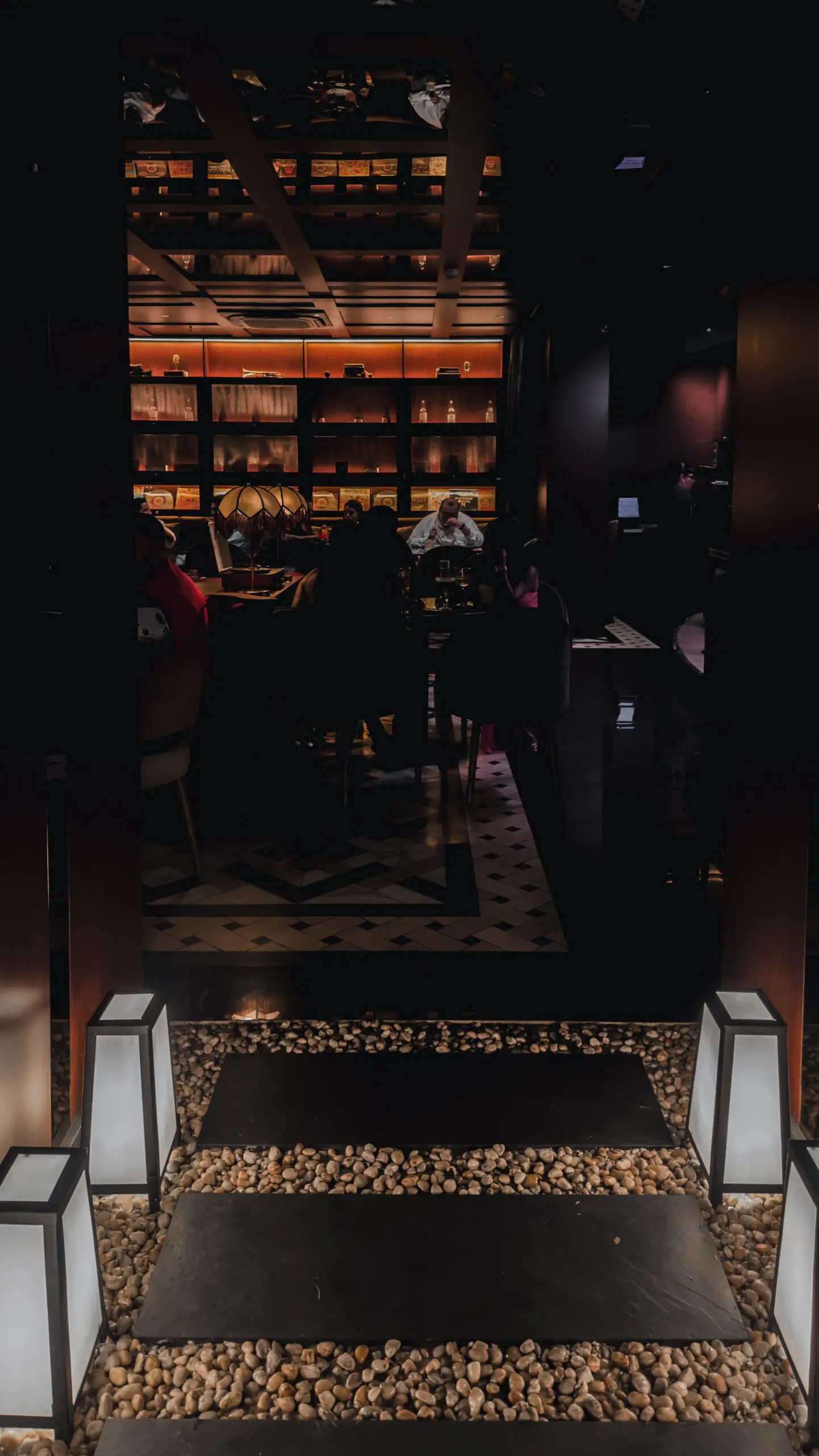
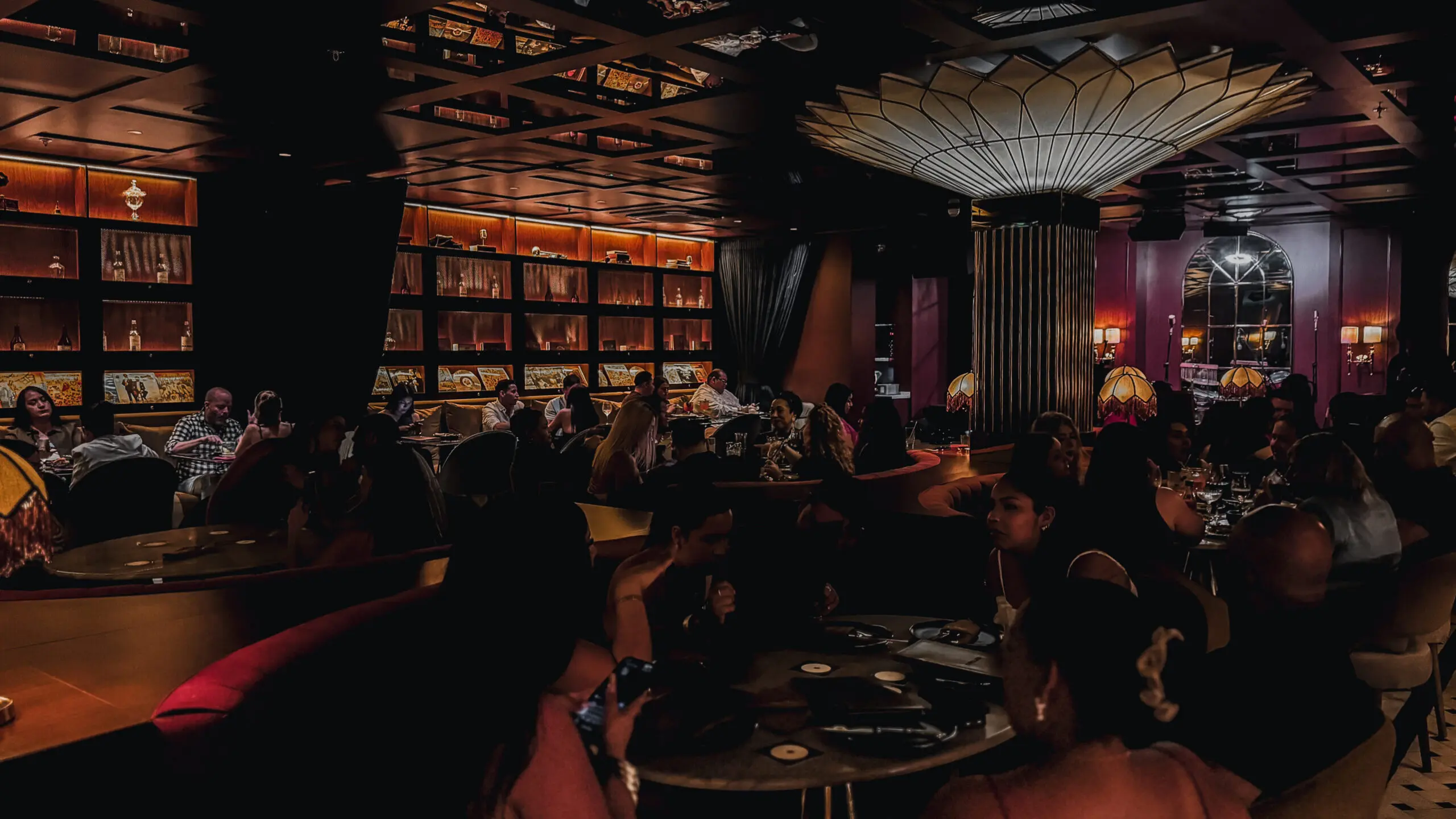



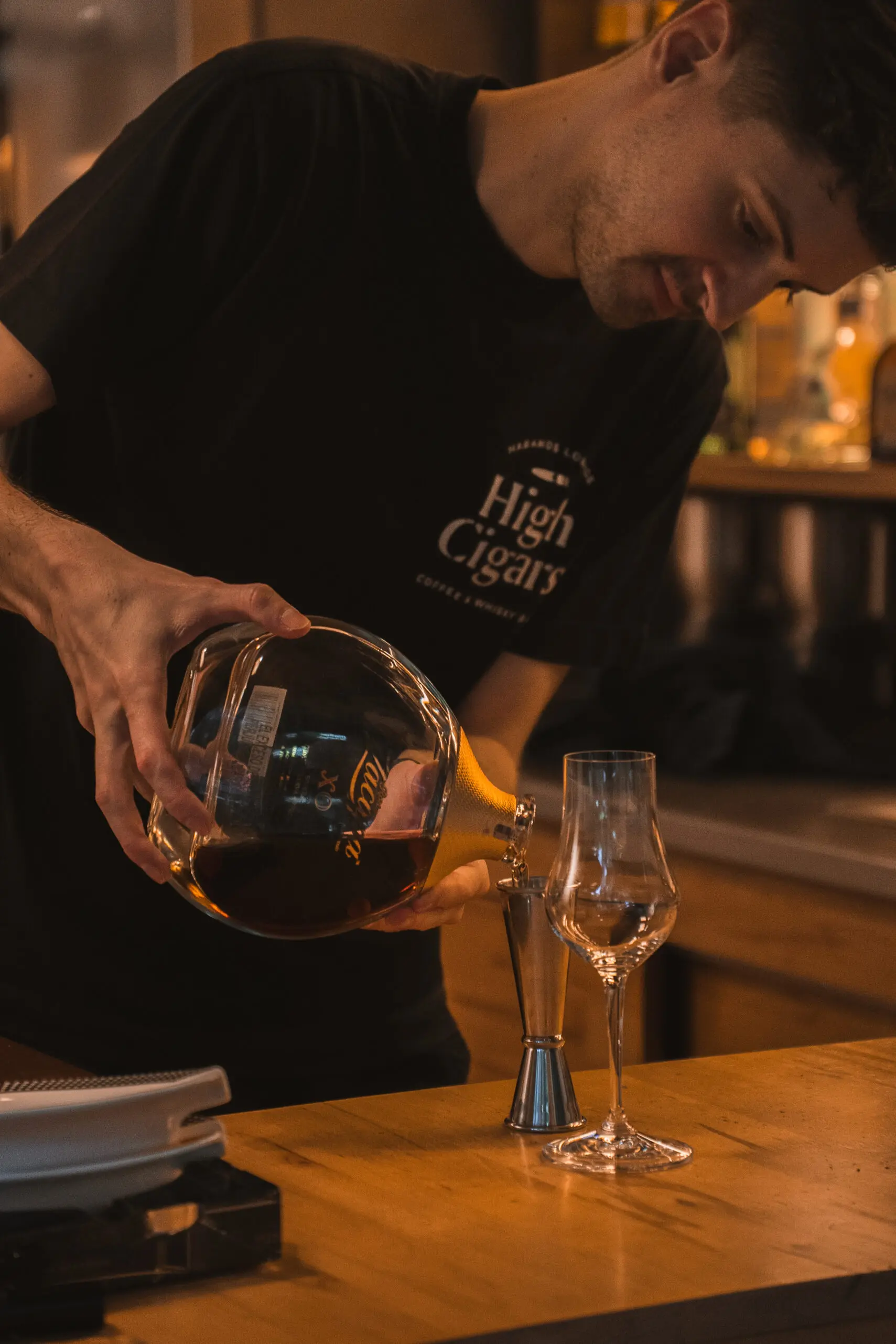
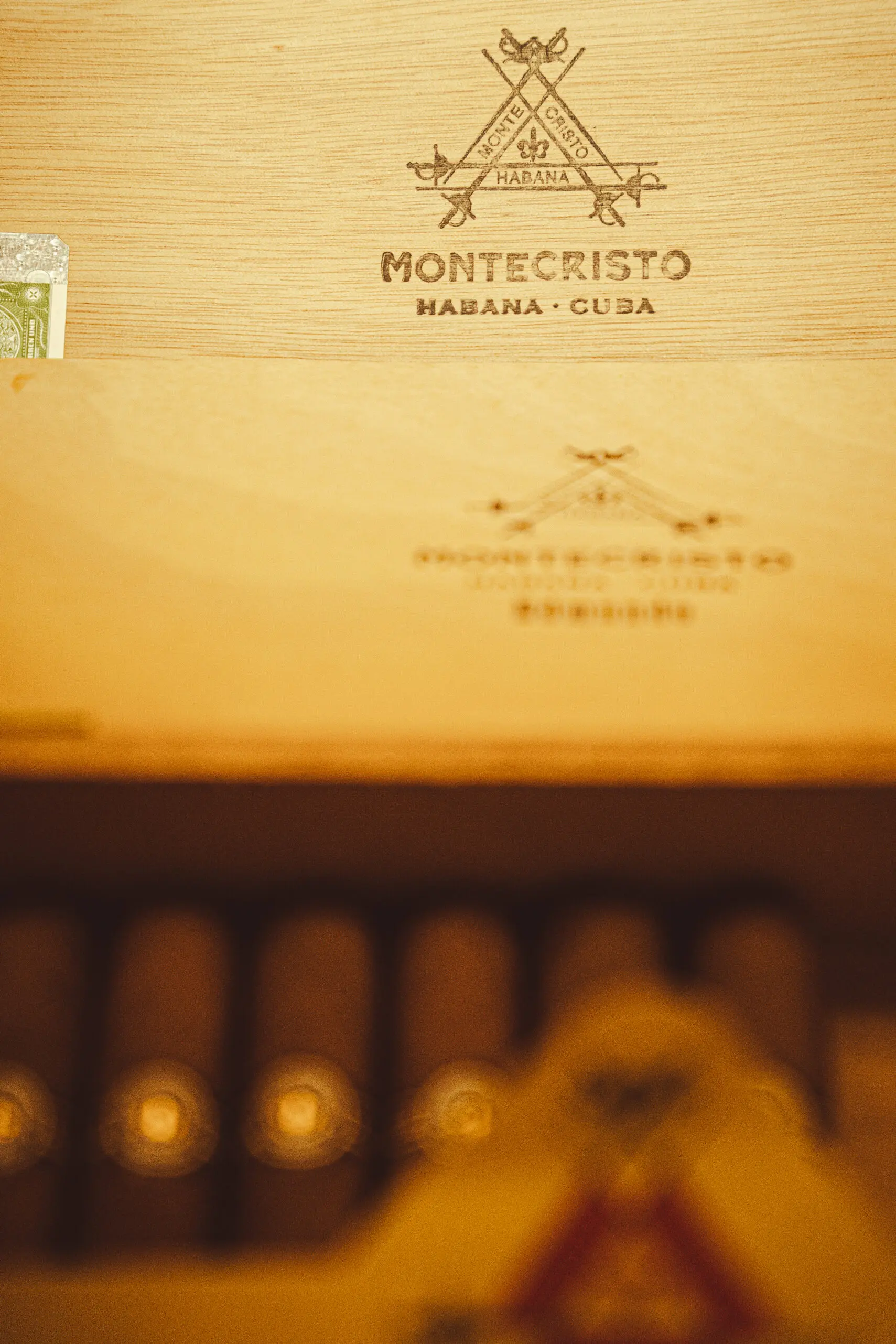
Smoke (or just soak up) a Cuban cigar at HI Cigars
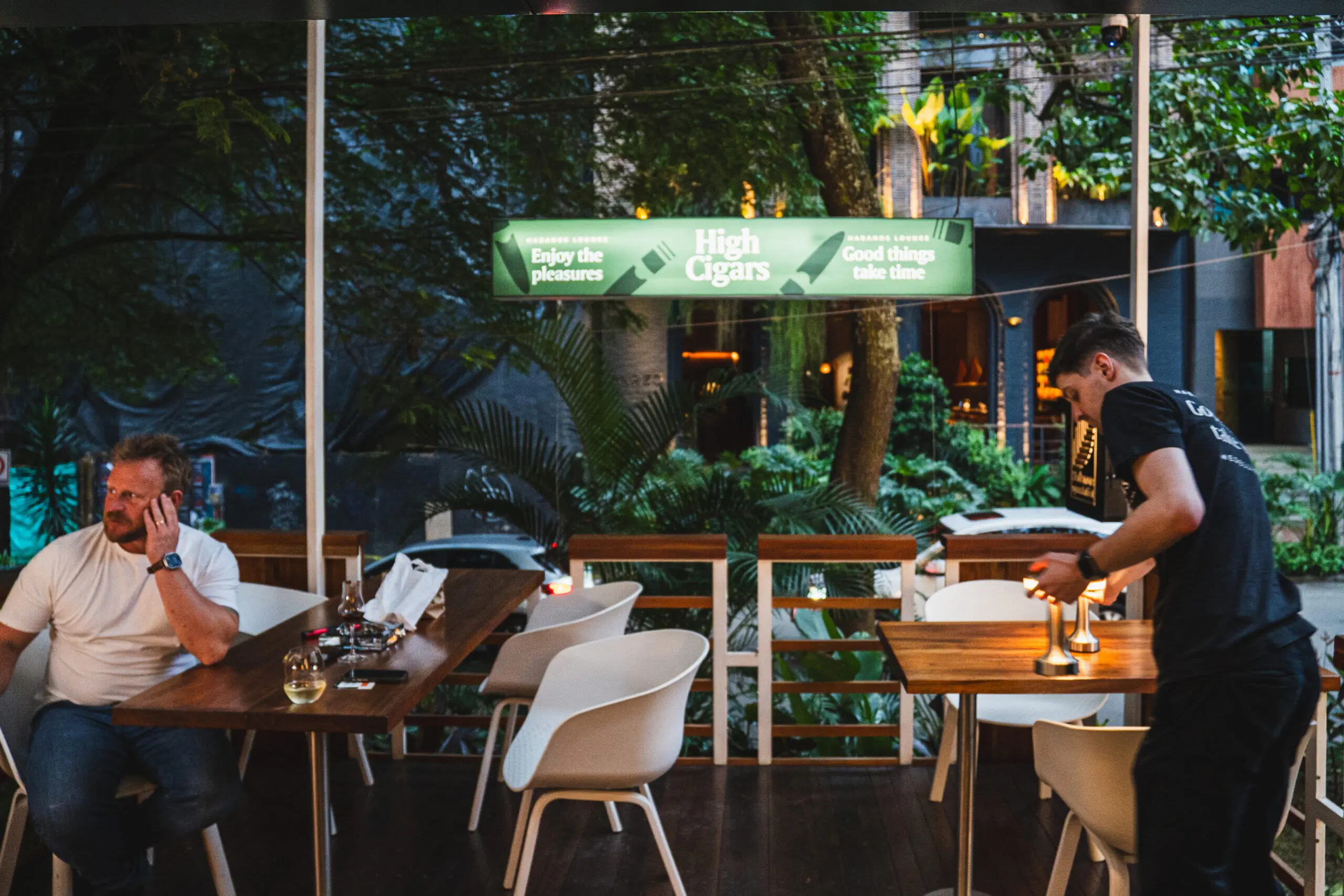
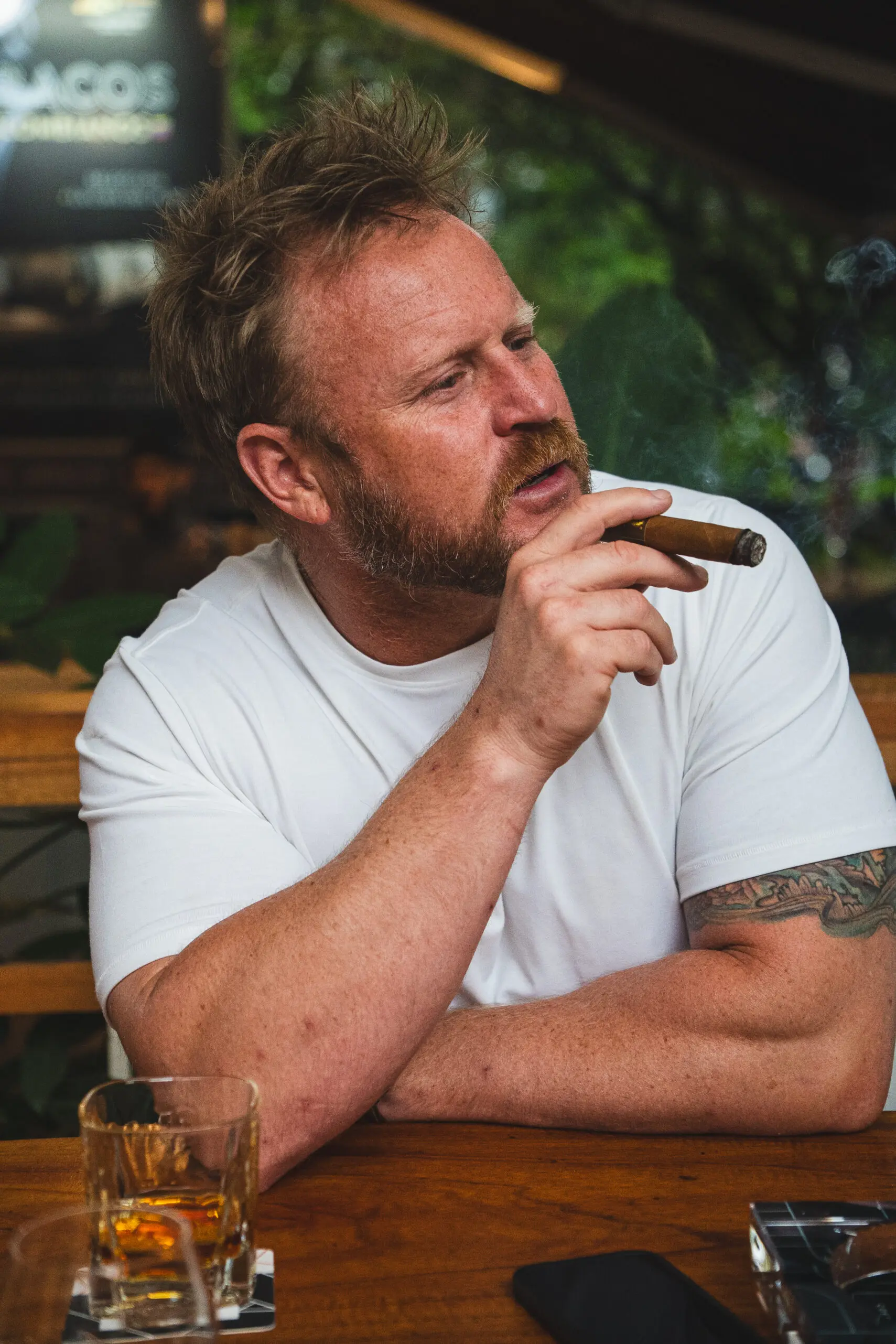
I need to preface this: I hate cigars. I hate cigarettes, I hate the smell of anything smoked, even smoked salmon. So when my husband first said “let’s go to a cigar place,” I said absolutely not. He kept insisting it had “really good air filtration,” which meant nothing to me, but I went, and it was one of my favorite retail experiences, ever.
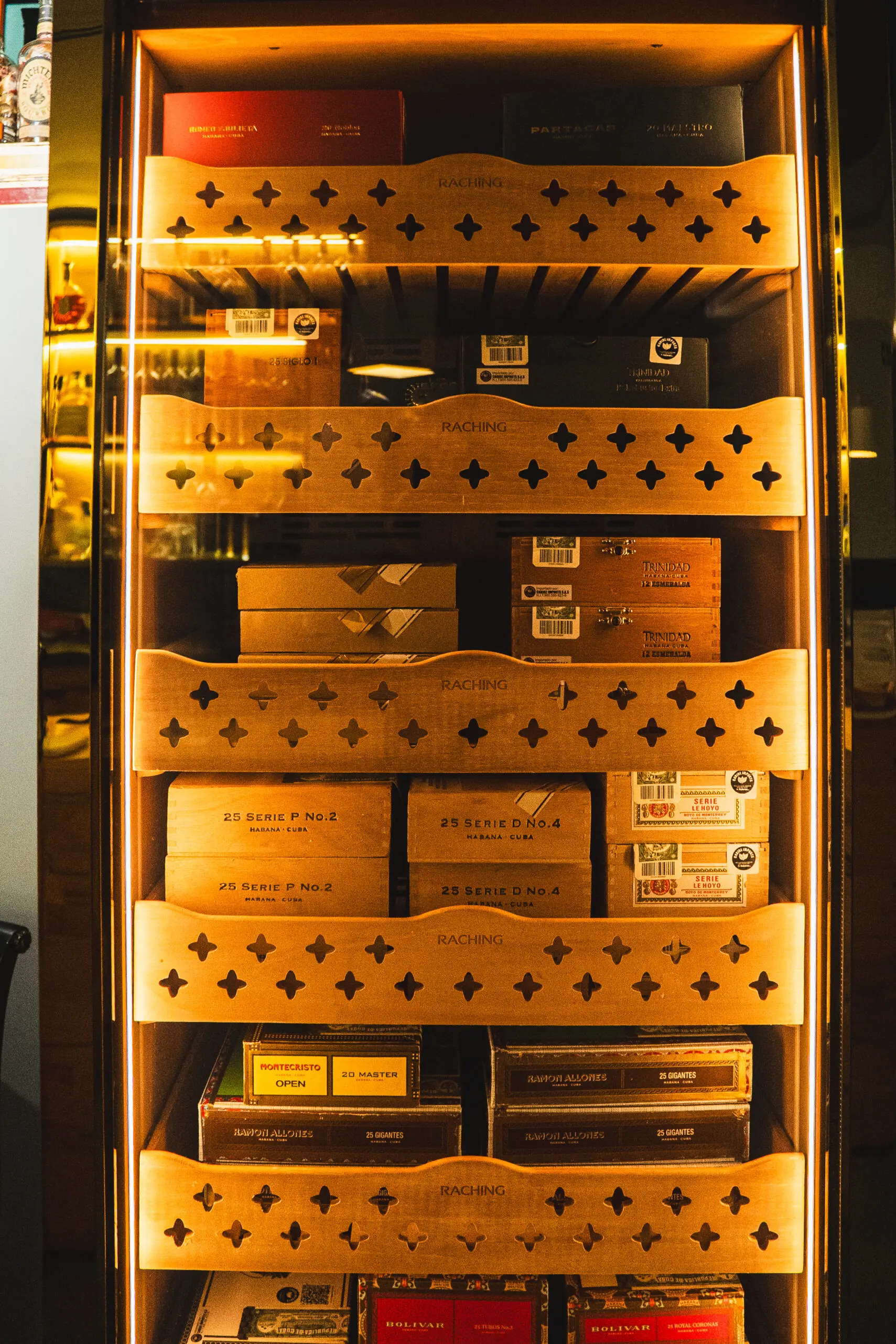
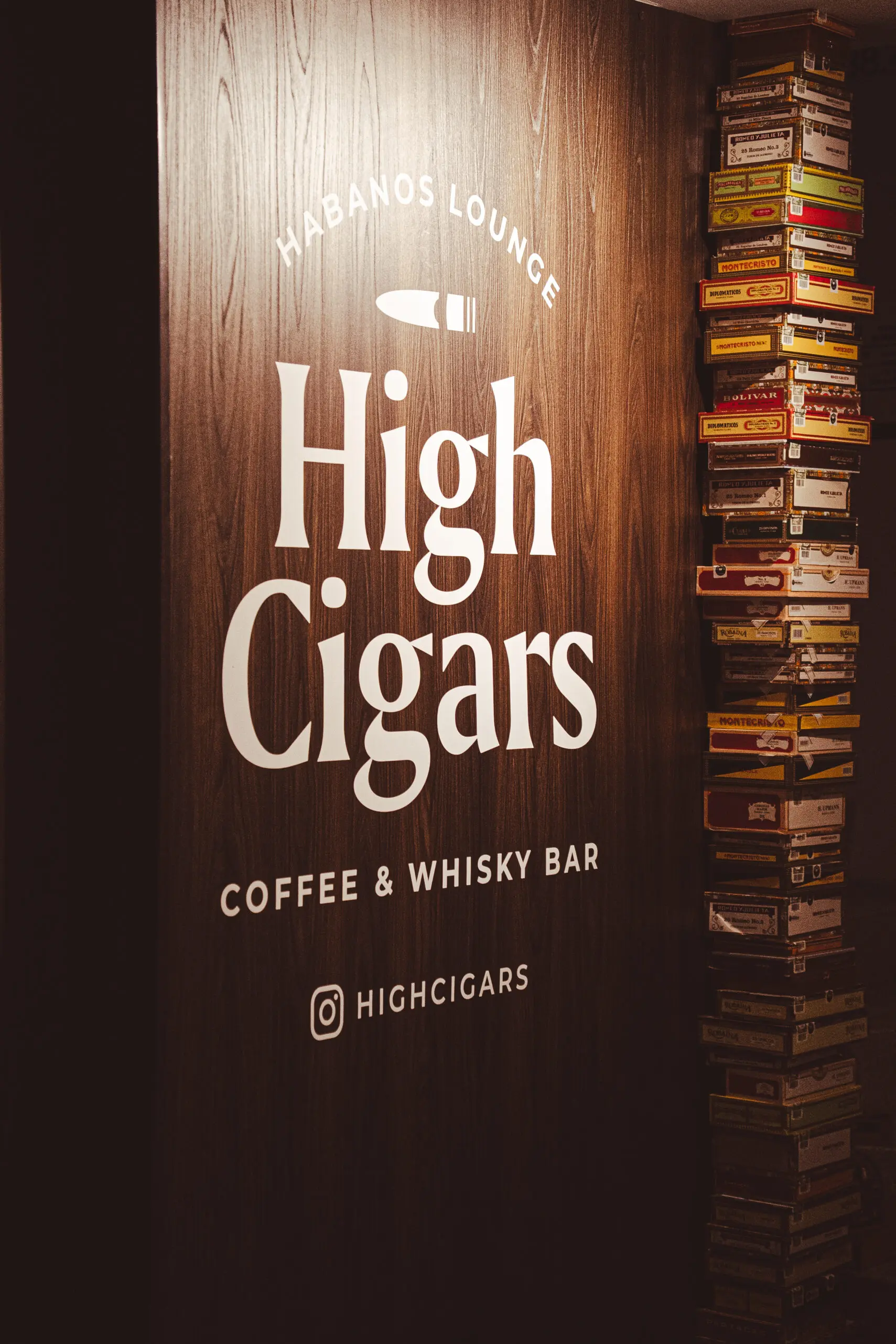
HI Cigars is the first Habanos specialist store in Medellín — certified directly by Habanos S.A., the only shop in the city represented by them, and 100% Cuban. But the reason to go isn’t the credentials, it’s the feeling: you walk in and it’s like landing in the living room of your fanciest, warmest friend.
It started as a family project. Juan Pablo’s parents run a contemporary art gallery (it’s upstairs — go see it), and his dad fell into Cuban cigars through decades of friendships with Cuban artists. So the whole place is really a portrait of what this family loves — cigars, whiskey, good coffee, chocolate, art, and good company all under one roof.
And Juan Pablo — the owners’ son — is the only Habanos-certified master in Medellín. He’s young – like 18 – but talks about cigars like he’s been smoking for 60 years, it’s pretty hilarious.
He’ll walk you through the walk-in cedar humidor (kept at that perfect 65–70% humidity), explain why a Cohiba Siglo VI is special, and — this is the best part — teach a total beginner from zero. His whole philosophy is “there’s a cigar for every moment,” so tell him what kind of night you want and he’ll match you. Like your very own cigar concierge.
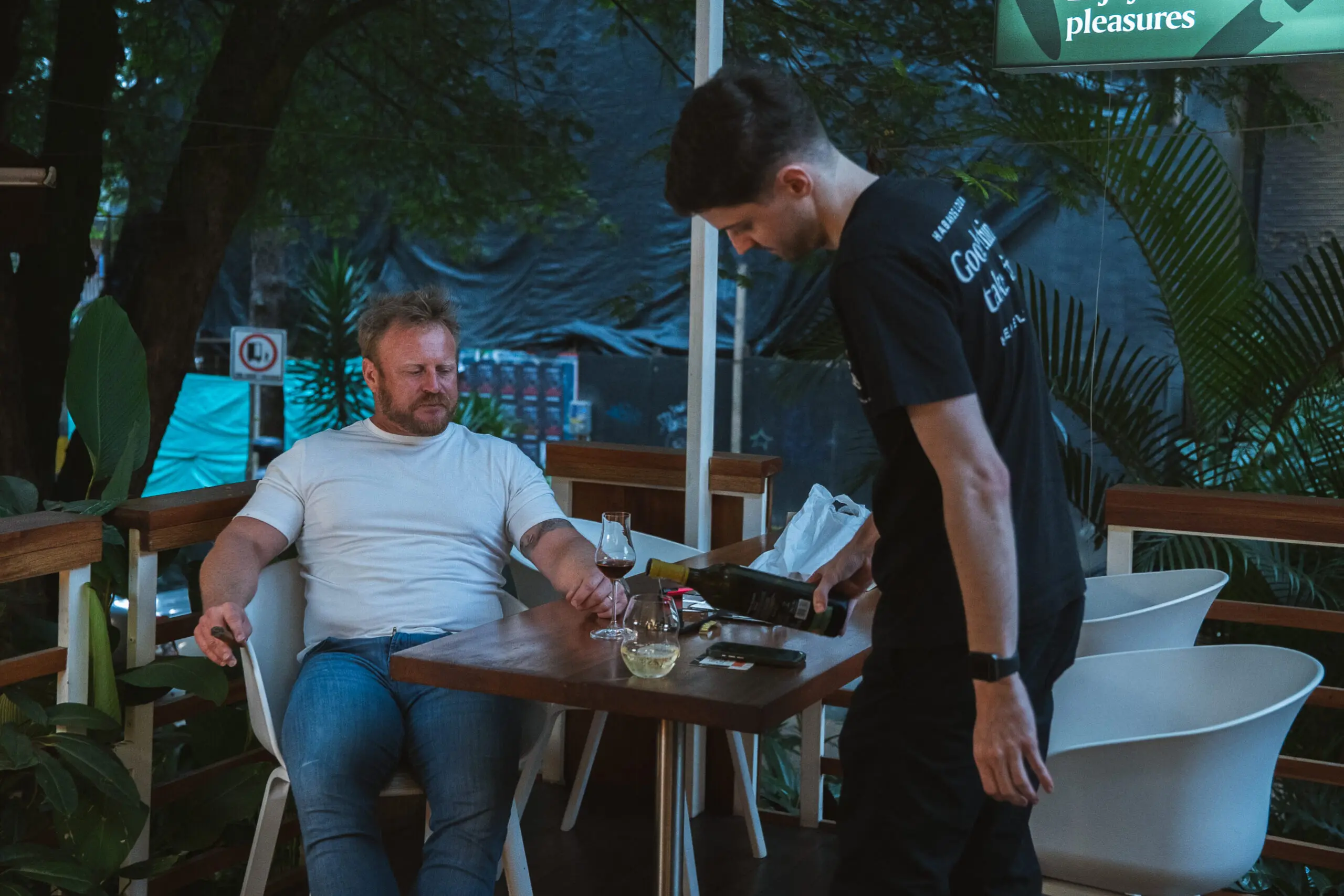
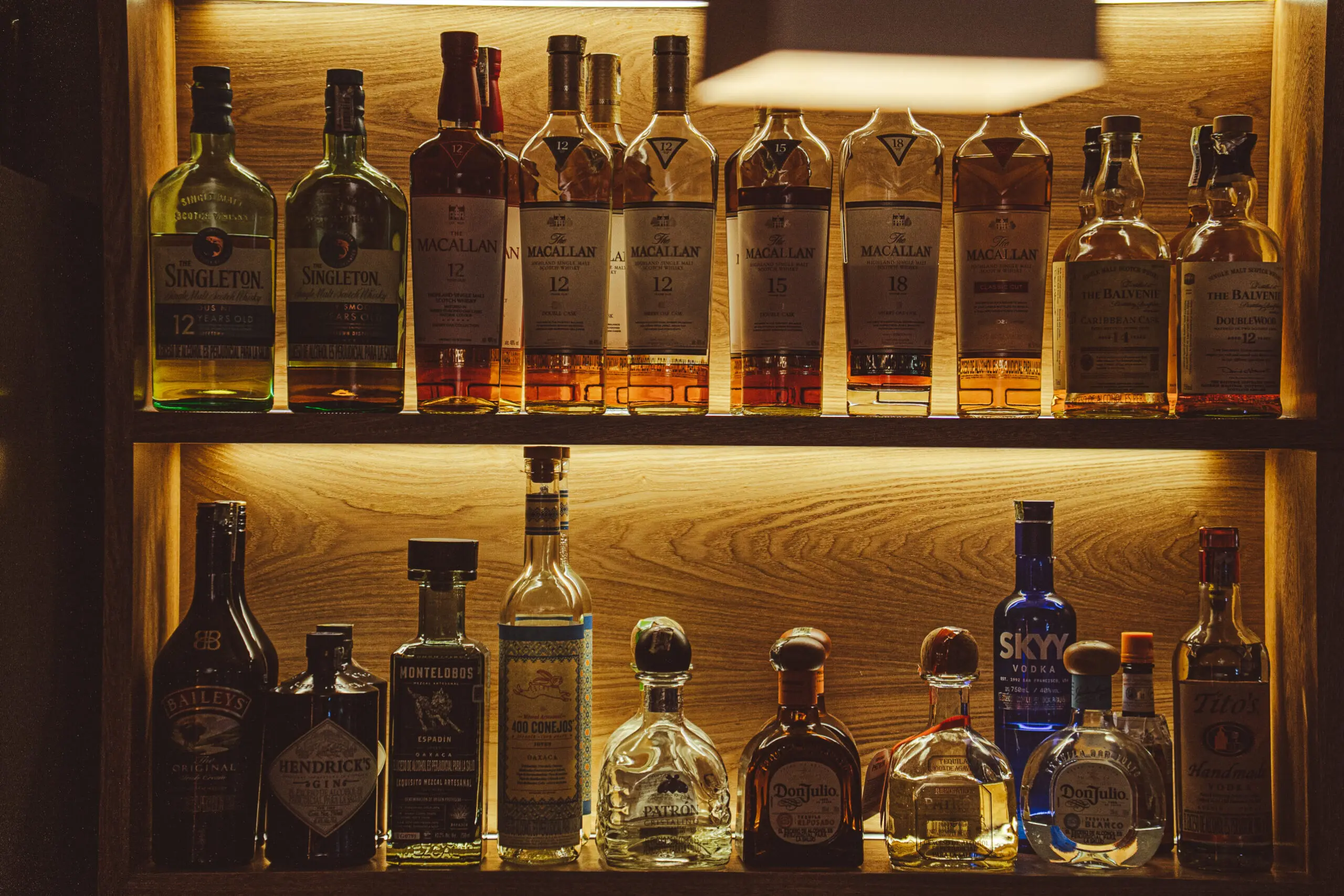
Here’s the thing that got me: because of the air filtration and the covered open-air patio, it genuinely does not smell like smoke. It smells like tobacco and cedar. Which smells like a scent they would put in a candle. You can sit right next to someone smoking and be completely fine. And if you don’t smoke at all, there’s a gorgeous bar (whiskey, 10-year rye, bourbon, wine), plus coffee and chocolate, so you can come along just for the hang.
Everyone in there was a regular. Juan Pablo says anyone who walks in wanting a good time “becomes part of the family” — and within an hour I was, in his words, best friends with his mom. That’s the whole vibe.
Come even if you think cigars aren’t your thing. Especially if you think cigars aren’t your thing.



Nightlife
Get sweaty with Medellín’s nightlife scene

The nightlife in this city is thriving and many people come for the sole purpose of doing the things that only night owls do.
I can speak more to the evening life – dinners and earlier visits to the bars around El Poblado, but there are plenty of options for younger, spicier people.
In the El Poblado area you can’t walk more than a few feet without running into a bar or club, and they’re always changing hands, so the hot spots move on a monthly basis. I would ask a local or the Medellín Expat group on Facebook – or just Google “Medellín Colombia travel Reddit” if you want the most up-to-date information on how to get into some after-hours trouble in Medellín.
Two low-hanging fruit options to start your night out – the parks:
#1. Parque Lleras: This is an actual park. It’s really tiny, but what you’re going to see is the surrounding area – tons of bars, restaurants, and clubs. You basically use the park as a landmark to have your cab drop you off, and as a spot to chill out for a minute and drink your beer between clubs. Be advised, however, that open containers are illegal now and that, because Parque Lleras is such a tourist hotspot, it’s naturally the target of bad actors. Watch your pockets and be aware of your surroundings.
#2. Parque Poblado: This is the more local version of Lleras, although they’re both in Poblado, so you’ll find tourists in both parks.
Two things you should be aware of before going out in Medellín:
#1. You should go to a Fonda: A fonda is basically a bar / hotel you would find in the countryside, where people traveling would stay to rest between days. In Medellín, there has been a renaissance of these traditional watering holes. Last time I went to one there were 10 women ages 65+ dancing on the stage with the stripper pole. It was wild in the most wholesome way possible.
If you’re looking you’ll definitely notice the fondas because they’re super colorful and you’ll see a lot of flashing lights and hear traditional music like guasca coming from inside. The one I know of in El Poblado is Fonda La Chismosa La 10 but others are popping up, just keep your eye out.
#2. Escopolamina (scopolamine): If you Google “travel warning Medellín Colombia” you’ll find sensationalized, often outdated warnings of murders and kidnappings. I’m not saying that those don’t happen, it’s just that they don’t happen as often as your Uncle Jim from Ohio thinks they do.
Medellín has always felt very safe to me, even as a woman.
However, the most common thing that I hear about from people I know, or friends of friends, is Colombian women drugging male tourists and bringing in their teams to rob them.
Sometimes it’s a sedative and sometimes its Escopolamina, which basically hypnotizes you and you’ll do whatever people tell you to do. I can’t tell you how often I hear about this happening and in fact, at my first day of Spanish class at Nueva Lengua (recommended), the first thing the director told us at orientation is that if a woman who is out of your league is talking to you, it’s not because you look really good that day.
My enthusiastic personal recommendation is for men to steer clear, as hard as this may be. If you know you’re going to risk it, only take out a credit card with a low credit limit, or just cash.
Here’s an article about the safety risks of traveling to Colombia and how to keep from falling victim to them.
How to do Medellín's nightlife
#1. Practice your pickup lines in Spanish (they just don’t have the same ring when you stutter)
#2. Treat yourself to a really nice dinner. You want to pad that stomach lining, and also the food is a thing here because the restaurants are really fancy, and really cheap. In other words, you can’t afford not to go to the top spots in Medellín, listed in the next section.
#3. Choose a safe hotel with 24-hour security to come back to.
Take salsa or Spanish lessons

If you’re into learning vacations, Spanish and salsa are the best disciplines to spend your time and money on in terms of ROI; particularly if you’re looking to engage with the opposite sex. (There’s nothing like being a non-Spanish-speaking gringo who can’t dance to kill your vibe.)
Toucan and Nueva Lengua are the top two schools in Medellín. They’re about $200/ week, but they have a lot of events and they incorporate learning other things, like dancing, cooking, and Colombian history and culture into the Spanish lessons.
The only downside is that you’re positioning yourself to spend your time in Medellín with other tourists.
In the ideal world you would take classes while you get some basics down and orient yourself in the city, and then go off and make some Colombian friends that don’t speak English. But not everyone has time for that.
How to do Spanish & Salsa dancing lessons
-
Where: Dance schools like Santo Baile, Son Havana, or local studios in Laureles and El Poblado.
-
Cost: Around $10–$15 USD per class, or less if you buy a package.
-
Tip: Pair your lesson with a night out at a salsa club for the full, immersive experience.
Go rooftop-bar hopping in El Poblado

When the sun drops, Poblado’s rooftops light up — cocktails, sweeping city views, and that warm, eternal-spring air that makes you forget what time it is.
The move is to hop a few. Start somewhere with a pool and a view while it’s still light, grab a drink and watch the valley turn to a sea of lights, then work your way to somewhere with a DJ as the night picks up. Each one has its own vibe, so bar-crawl it rather than committing to one.
Dress up a little — Poblado likes to look good — and know going in that the area has gotten much seedier than it used to be. Keep an eye on your drink and your pockets, especially the closer you are to Parque Lleras, and you’ll have a great night.
Party on a chiva (Medellín’s party bus)
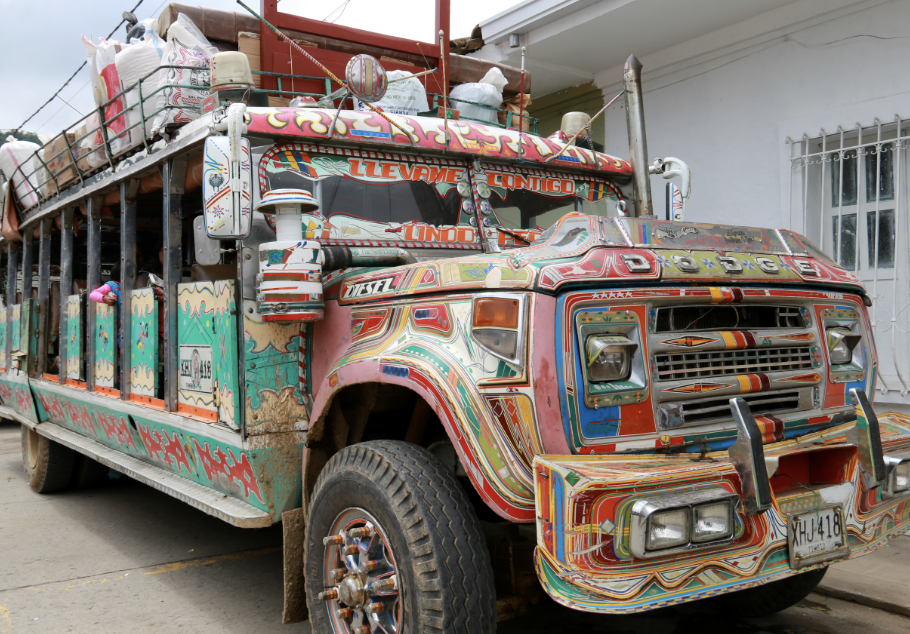
You’ll see them before you understand them: a brightly painted, open-sided bus rolling through Poblado, packed with people, blasting music, everyone holding a cup. That’s a chiva — a traditional Colombian bus turned into a rolling party, and it’s exactly as ridiculous and fun as it looks.
You climb aboard, they hand you aguardiente, and a live band or DJ takes over while the bus loops the city — past miradors, through the party districts, with a crowd of strangers who are your best friends by the third song. Most run a few hours and stop for street food or a viewpoint along the way.
Is it touristy? Completely. Is it a little chaotic? Yes. Is it an absolute blast if you’re young and in party mode? Also yes. Go in with the right expectations — this is a party first, a “tour” a distant second — and you’ll have one of those nights you’re still laughing about later.
Book ahead (they fill up on weekends), don’t wear anything you’re precious about, and pace yourself on the aguardiente — it sneaks up on you.
If you’re going to Colombia, check it these 33 best things to do in Colombia
Shopping & wellness
Kill an afternoon at a Medellín mall

Sounds basic, but Medellín is famous for its textiles and fashion, and its malls are a genuine experience of exactly that. El Tesoro and Santafé are hillside, half-open-air, with skyline views, gorgeous food halls, and locals out living their everyday lives. On a hot day, ducking into the A/C is a legit reset.
It’s also the easiest place to knock out your Colombian shopping in one trip. You’ll find the leather houses Vélez and Cuero & Caña, the swimwear everyone comes here for at Agua Bendita, Parchita bags, and a Juan Valdez for your coffee fix — basically my whole Colombian shopping list under one roof.
And at El Tesoro especially, you can make a whole day of it — there’s a spa, a movie theater, endless food, and even a little amusement park with rides and a Ferris wheel up top.
Peak Medellín detail: the medical towers are right here too, because in this city, getting a boob job is as casual as picking up a new sweater. Shopping, lunch, a facial, and a consult, all in one building.
Shop small at El Poblado’s boutiques
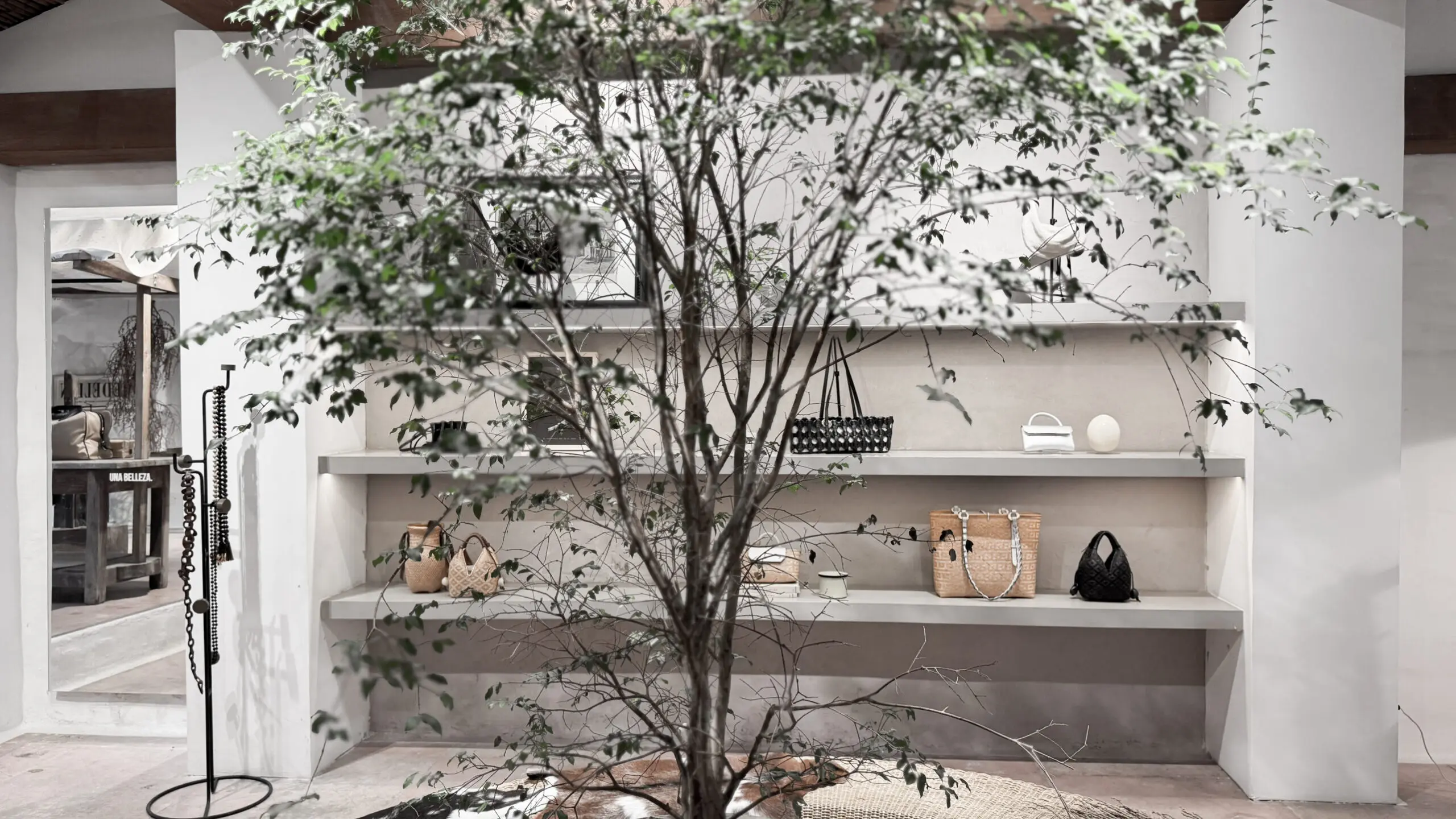
Skip the malls for an afternoon and wander El Poblado’s independent boutiques — shop-small shops run by local designers and artists.
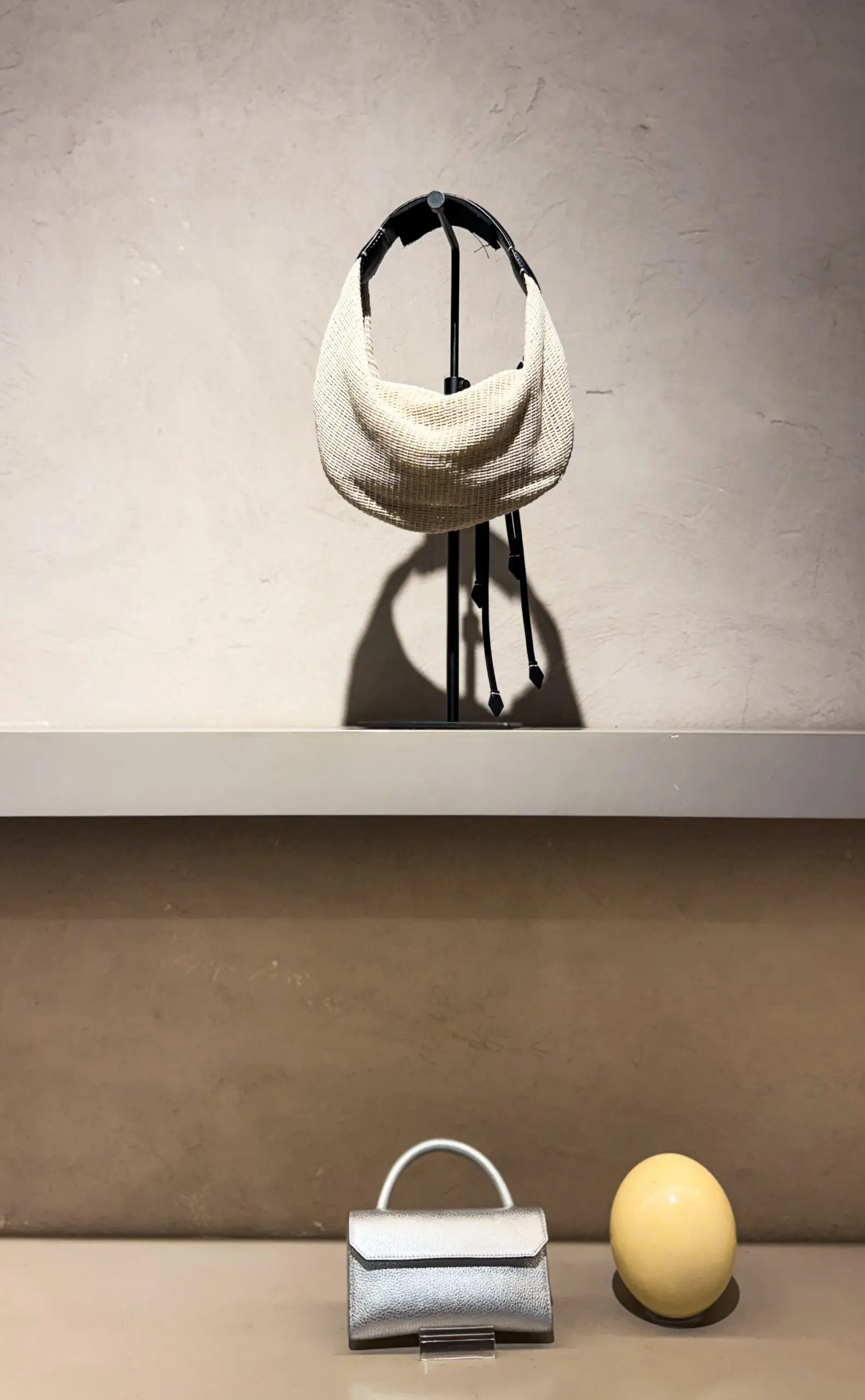
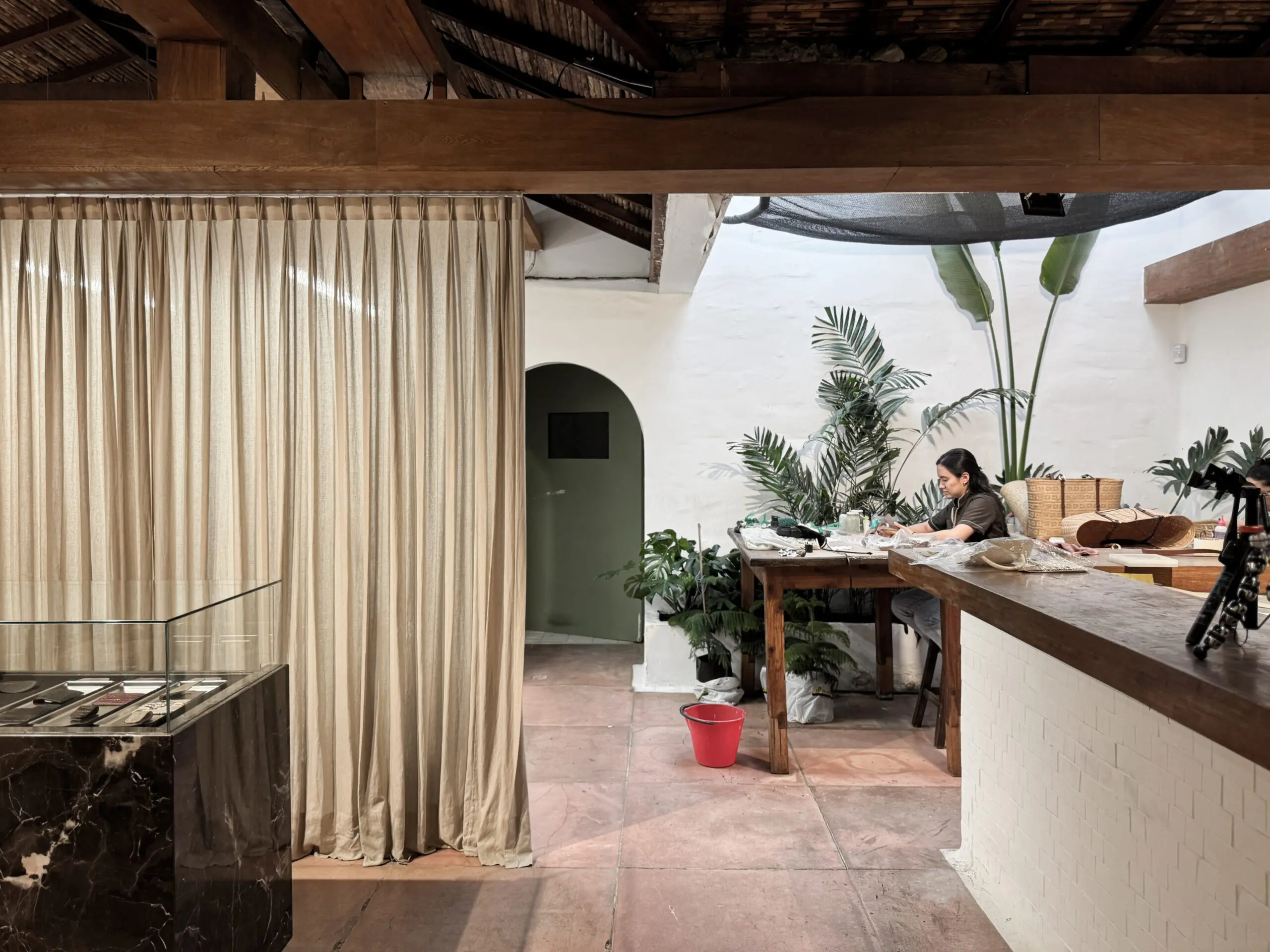
My favorite is Ballen, where everything is artisan–handmade. They actually have the artisans in the shop, making it right in front of you. It’s pretty cool.
I found the prettiest little white bag there I didn’t want to leave without… but I have way too many purses already, so I made myself walk away. It was about COP $480,000 (~$120 USD) — and yes, I still think about it.
Make a crawl of it: Makeno, Ocho43, Duna, Religare, and Oropendola.
Get affordable cosmetic, dental & medical work done
Medellín is a medical-tourism capital, and it’s not hard to see why: dental work, derma treatments, cosmetic procedures, and full plastic surgery at a fraction of US prices, in genuinely good clinics with genuinely good doctors. Plenty of travelers build a whole trip around a cleaning-plus-something and basically pay for their flights in savings.
And it’s not just cheaper — it’s dramatically cheaper, across the board.
To give you real numbers (pulled from an interview with relocation expert Mikkel Thorup on the Expat Money channel):
Smile design runs about COP $1.6M–2.4M ($400–600 per tooth) — roughly half what you’d pay in the US.
An MRI is COP $320,000–800,000 ($80–200) versus around $1,000 back home.
A nose job is COP $8M–16M ($2,000–4,000), well below US pricing.
And a full mommy makeover is COP $24M–40M ($6,000–10,000) — compared to $20,000+ in the States.
So whether it’s a cleaning, a little Botox, or something bigger, the math is wild. Just do your homework on the clinic and surgeon first — the price is only a deal if the work is good.
Full disclosure: I had a boob job and lipo scheduled once ($4,000) and canceled two days before because a friend talked me out of it. Five years later I’m sitting here quoting it with two other doctors and kicking myself, because the prices have crept way up. The value was real, and I let it go.
So — do your homework on the clinic and the surgeon (or let me know and I can point you to people), get everything in writing, and build in real recovery time. But if it’s something you’ve been considering, this is one of the best places in the world to do it.
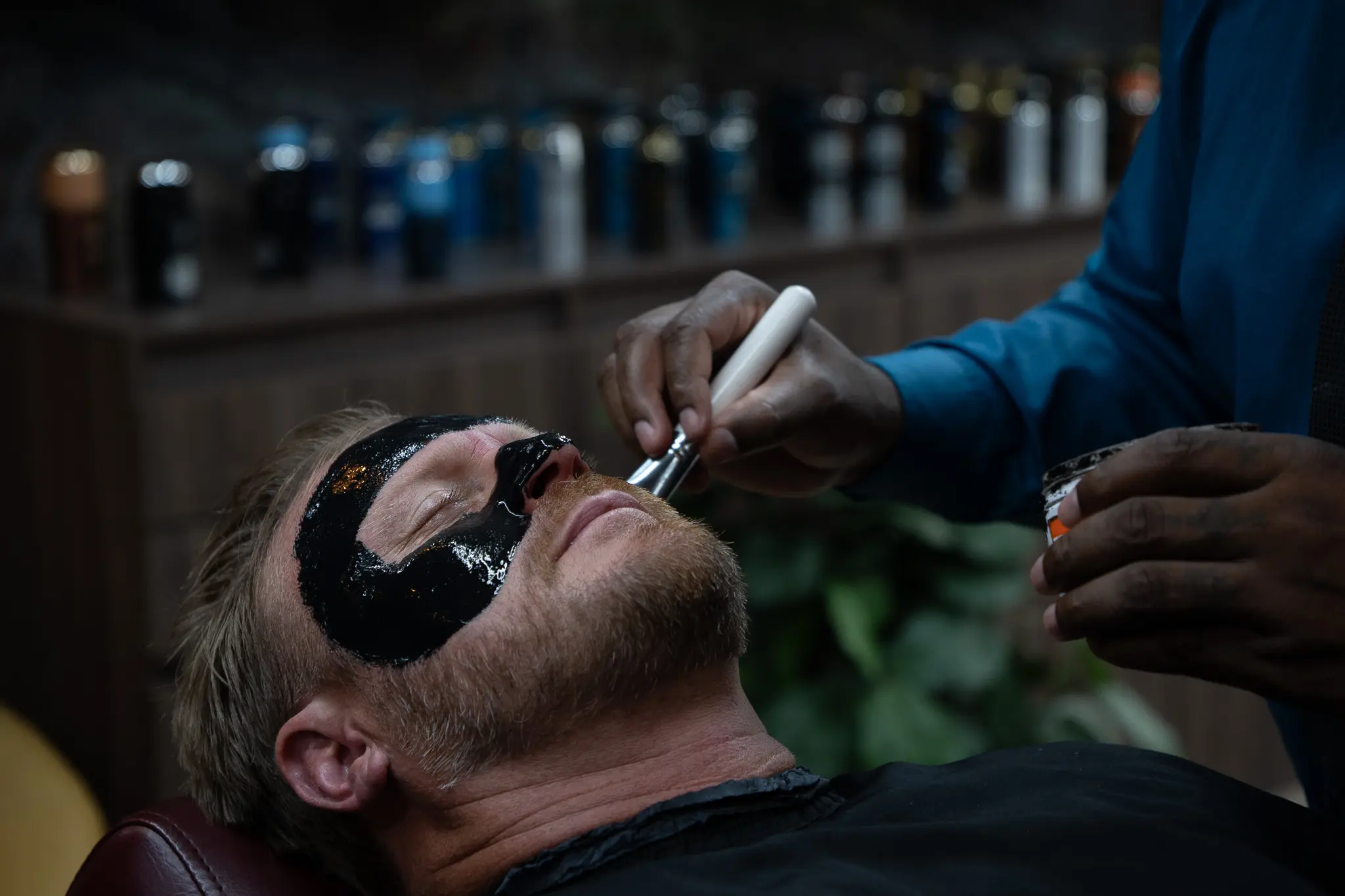
And cosmetic tourism not just for women. Men come for everything from a clean-up to manscaping and grooming procedures — nobody blinks.
Treat yourself to a spa day

Between the hiking, the dancing, the late nights, and all the walking, you’re going to want to build in a day where you do absolutely nothing — and Medellín is the perfect place for it, because a spa day here costs about 30% what it does back home.
We’re talking real, luxe pampering: massages, facials, saunas, steam rooms, body scrubs — the kind of full afternoon that would run you $200+ in the US for $60-$80. I do this at least once every time I come. It’s my reset button in the middle of a busy trip.
The move is to book a package rather than a single treatment — most of the nicer spas in El Poblado bundle a massage with sauna and steam access, so you can make a whole slow afternoon of it, but if you get out of the main area you’ll find it even cheaper (although with less pomp and circumstance). Show up with nowhere to be, get worked over, sit in the steam, and come out feeling brand new and ready for another round of the city.
If you’re already down here for a cosmetic or dental procedure, even better — tack on a spa day as part of your recovery. You’ve earned it.
Daytime pool lounging
Perfect weather year-round means a pool day is a genuinely great use of an afternoon — and it balances out all the tours.
Two ways:
Lounge at Click Clack’s rooftop pool

The Click Clack Hotel is Medellín’s most stylish boutique hotel — a riot of Colombian color and craft — with a rooftop pool + bar in the heart of El Poblado. Grab a lounger, order a cocktail, watch the valley.
Sink into Sites’ rooftop plunge pool
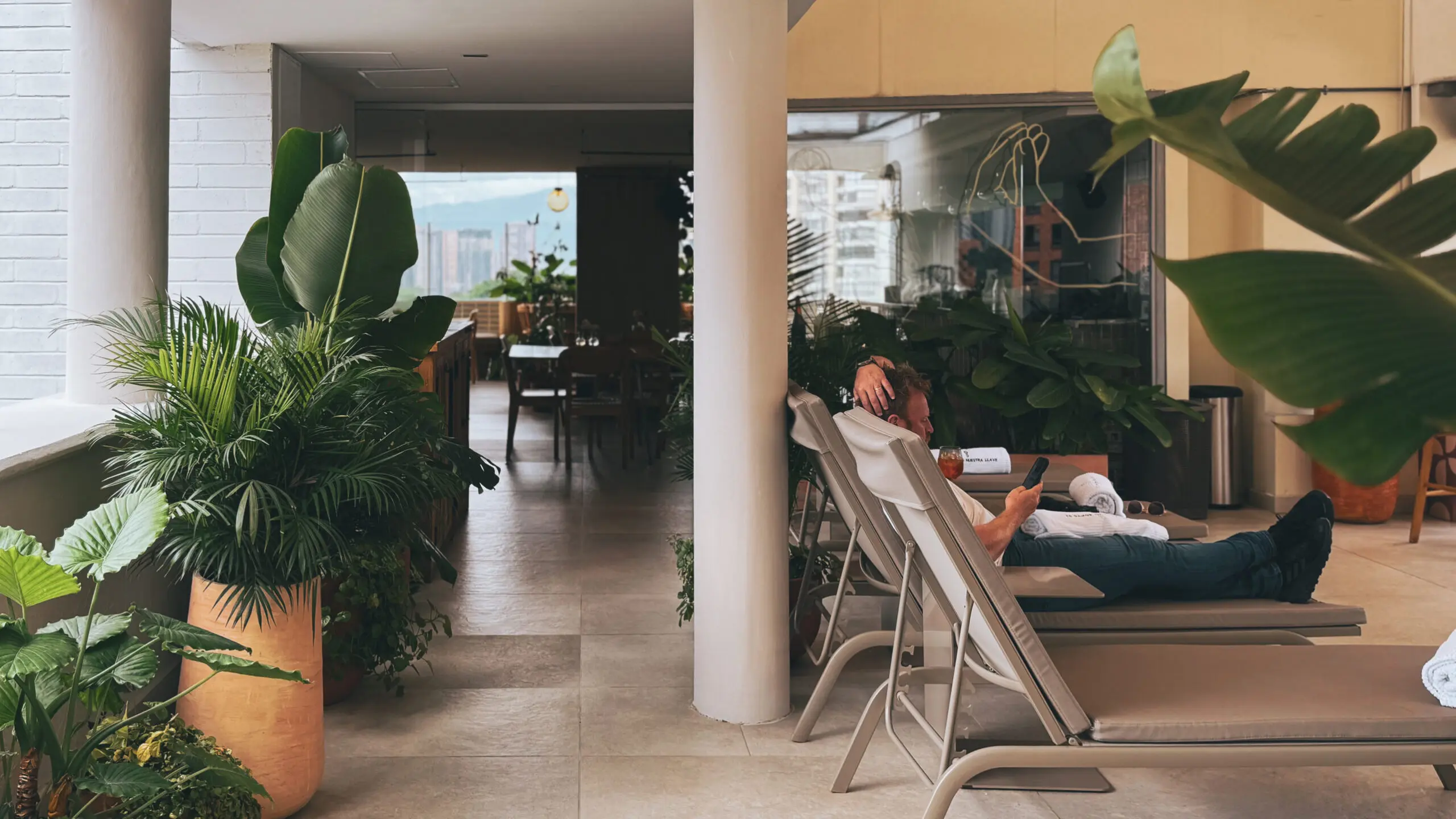
If you want a pool day that’s more about lounging than partying, head up to the rooftop at Sites — an intimate little boutique hotel in El Poblado with a rooftop plunge pool that’s exactly the right kind of chill.
Here’s what makes it: the water isn’t heated, but it’s not freezing either — it sits at that perfect, refreshing “ahhh” temperature where you can actually get in and stay in without doing the shivering-tiptoe thing. It’s a plunge pool, so it’s made for sinking in, cooling off, and posting up with a drink rather than swimming laps.
And the best part for those of us who burn: it’s under a cover, so you can spend the whole afternoon up there without frying in the Medellín sun. Shade, a cool dip, a cold drink, and the city humming below you — it’s the low-effort, high-reward way to spend a hot afternoon.
Grab a day pass, bring a book, and don’t plan anything after. This is a “do nothing on purpose” kind of spot.
Outdoor & sports
Do a biking food tour of Medellín

You should do this bike tour of the city on the first day you’re in Medellín
My Paisa friend recommended this particular one to me and I’m a firm believer that there’s no better way to kick off a city than with food, beer, and bikes.Unlike being stuck behind the windows of a bus or trapped inside a car, biking puts you right in the middle of the city’s rhythm while still moving faster than you could on foot. You’ll cruise past plazas, murals, and parks with the wind in your face – able to stop whenever something catches your eye.
On this tour you pedal through neighborhoods, eat snacks, and stop for drinks along the way. There’s nothing better than mixing a little exercise with food and drinks.
How to do the Medellín food and bike tour
This one is easy – sign up here.
Go bowling at Superbowling
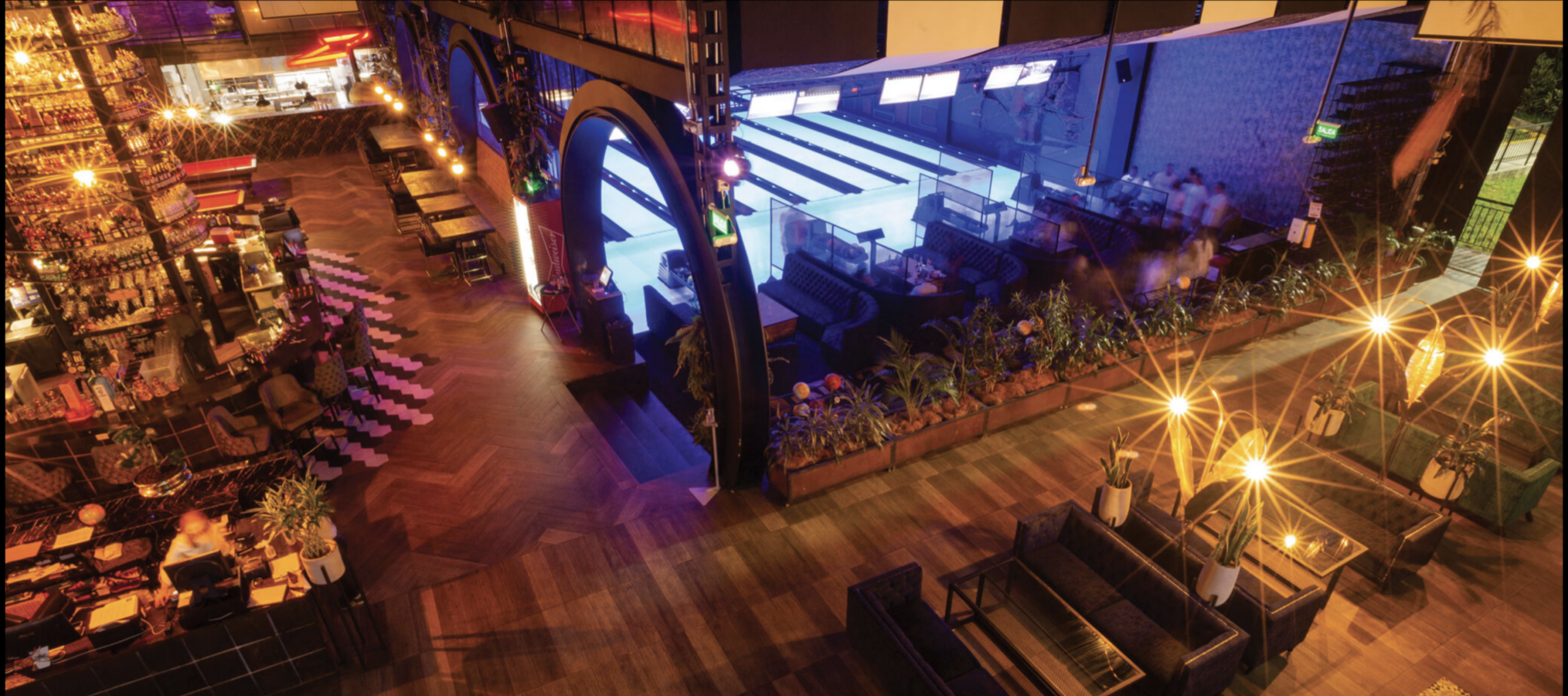
Not every night has to be a rooftop or a club. When you want something low-key — or it’s pouring rain, which happens most afternoons — Superbowling is a proper bowling alley with lanes, cold beers, and a fun, very local crowd.
It’s cheap, it’s easy, and it’s a great group activity where nobody has to dress up or shout over a DJ. Grab a lane, order a round, and settle in.
There are a few locations around the city (Envigado is a solid one), and weekends can get busy, so reserve a lane if you can.
Hike Cerro de las Tres Cruces

Cerro de las Tres Cruces means “Hill of the 3 crosses” in English. It’s a 45-minute, mile-long hike straight uphill, and is kind of an event in itself.
If you go early enough you’ll see the creme-of-the-crop Paisas who take their appearance very seriously, and you’ll take their appearance very seriously, too.
I usually go around 11, with all the other lazy people.
The surrounding area has been developed a lot since I started going on this hike. When I first started going, there was just a few people selling water in bags and a prison gym at the top.
Today, there are smoothie places, drink stands, and a little bodega restaurant at the top. It’s very basic but the nature and the views are what we’re here for. And the pump. And the hot Paisas.


How to do Cerro de las Tre Cruces
- Getting there: The trailhead starts in the Beln/Altavista area of Medellín. Most visitors take a taxi or rideshare directly to the base (search “Cerro de las Tres Cruces Medellín” on Google Maps)
- The hike: It’s short but steep, with dirt paths, steps, and some rocky sections. Wear proper shoes, bring water, and expect to sweat.
- When to go: Early morning (5–8am) is safest and most popular – you’ll find crowds of locals exercising, which also reduces security concerns. Avoid hiking alone late in the day because the mountain does back up to some more gritty neighborhoods.
Pro tip: Don’t go in bad weather. Medellín is a very electric city and if there’s rain there’s probably also thunder and lightning. Lighting struck the crosses when I was up there one time and the ground was so slippery from the rain that it looks us 3 hours to get down (it normally takes 20) – we had to basically slide down on our butts the whole time.
Shred it up at a skate park

This city has a thriving skate scene, and has invested in public skateparks that mix bowls, ramps, and street obstacles with the local hip-hop and graffiti culture.
Where to skateboard in Medellín
- Beln Skatepark– Inside the Unidad Deportiva de Beln, this is one of the most complete skateparks in Medellín with bowls, rails, and ramps. Popular with young skaters and a great place to meet the local community.
-
Carlos Vieco Skatepark (Laureles)– Near the Carlos Vieco theater, this park combines street-style obstacles with small bowls. A solid everyday skate spot in the Laureles neighborhood.
-
Laureles Second Park Skate Spot– More plaza-style than a full skatepark, but it’s a chilled-out spot in Laureles with rails and ledges, good for casual sessions.
-
Parques del Río– The riverfront park has smooth pavement and urban features perfect for cruising and practicing street tricks. Skaters gather here in the afternoons and weekends.
-
Comuna 13 Skate Spot– DIY ramps and community-built skate areas mixed with graffiti and street art in San Javier. It’s more grassroots than polished, but gives you a taste of Medellín’s skate culture tied to Comuna 13’s transformation.
If you want just one to hit: go to Beln Skatepark – it’s the largest and most established.
Play chess with the pros

Another reco that I haven’t actually done – the Antioquia Chess League holds games and tournaments in a tower next to the Atanasio Girardot Stadium, and I always wanted to go over and play with one of the old men that’s always there but I was too scared.
Now, after watching Queen’s Gambit I want to do it even more but still probably won’t.
How to play chess with professionals in Medellín
I don’t know. Sorry I never figured it out but I found this Fb post that might be helpful and would love to hear if get any father than I did.
If you want to check out the action but in a more voyeuristic kind of way, grab a beer and head over when there’s a tournament, or just anytime and watch them do their thing.
There’s is women’s roller derby there sometimes which is another thing I’m too scared to do.

Ciclovía: bike or rollerblade down the freeway
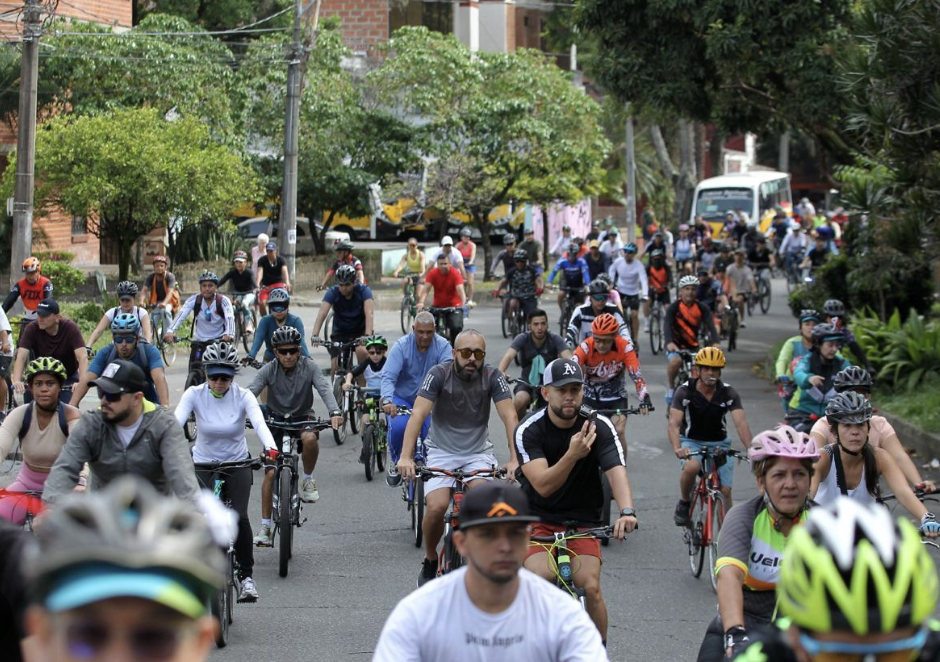
Every Tuesday and Thursday night from 7:00 PM – 9:00 PM and Sunday AM, city officials close down the freeway for pedestrians. You can walk, run, bike, rollerblade, skateboard, cartwheel, or whatever sets your heart on fire.
How to do Ciclovia in Medellín
#1. Get a bike, skateboard, or rollerblades – of you can just use your Cheverolegs. It’s hard to rent bikes, rollerblades, and skateboards. I ended up buying the former 2 when I lived there. I think now there may be more options for renting though, so don’t give up too easily.
#2. Crossing the frontage road between El Poblado and the freeway is a little dicey. I’ve definitely almost gotten hit by multiple cars.
The Sunday ride is much more accessible.
I recommend at least walking it, if you don’t feel like doing the work to get wheels. It’s a vibe, and it’s exercise that you’ll need if you’re doing Medellín the right way.
View this post on Instagram
Try not to die at a soccer game
One of the most Colombian experiences I’ve ever had was going to a soccer match between rival teams Colombia Nacional and Atltico. I wasn’t aware when I bought the tickets that there are ‘safer areas’ and ‘you might die’ areas. I accidentally bought it in the ‘you might die’ area and it was wild.
It was pouring rain and the fans were jumping up and down on 3-inch wide handrails, 30 feet up. At one point a guy fell off and had to be carried out by his friends. He didn’t seem okay – it was kind of disturbing.
They don’t serve alcohol inside the stadium and I was upset when I arrived but I understood why by the time I left.
Overall, I would say go at your own risk. I would go again but I’m stupid.

How to do a soccer game in Medellín
- Watch ESPN’s 30 for 30 documentary Two Escobars for some historical background on the sport and the fanaticism
- Know that you won’t be able to drink inside any of the stadiums in Colombia, so pregame if you need to.
- Buy a ticket if you still want to go. This can be harder than it sounds because the seating charts are confusing and one side is scarier with more crazy fans. Here are some ways to do this:
Official way: Buy through TuBoleta (the official ticketing site for Atltico Nacional and DIM matches) or at TuBoleta physical points of sale around the city (often in shopping malls or supermarkets).
At the stadium: Tickets are also sold at the Atanasio Girardot Stadium box office, but for big games (especially Nacional vs. DIM), they sell out quickly, and beware of scalpers.
With a tour: Some companies and hostels offer soccer game experiences – they buy tickets in bulk and include a guide, transport, and even a jersey or beers. It’s pricier but safer and easier if you don’t speak Spanish.
Play Tejo

Tejo is basically Colombian horseshoes, but it’s played with explosives. Rumor has it, it used to be played with gold, but the Spanish came and took all the gold and left gunpowder so that’s how it’s played now.
My friend owns the Tejo in Medellín, which is the main company for tejo tourism. He’s pretty fun, and the only gringo that plays in competitive leagues. He’ll tell you about the history and teach you how to pay. It costs $7 to play for like 3 hours and I considered it a must-do in Medellín.

How to play Tejo
- We dark colors – the clay gets everywhere and is hard to get off but that’s part of the fun.
- Buy some beer – if you don’t drink thats fine but if you do this is a must-have-beer kind of event.
- DM Chris on Instagram and set up an appointment, or set up a tour with beer.
Staycations & day trips from Medellín
Rent a finca

Fincas are to Colombians what cabins are to Americans.
Originally traditional farmhouses, they’re now more like a weekend getaway / second home for wealthy Colombians. They’re also a common place for Colombians to hold weddings.
I wouldn’t necessarily recommend renting one by yourself unless you really love being alone, but if you make friends with a Colombian and you hear mention of “going to the finca,” do anything you can to subtly (or overtly) invite yourself.
If you’re my age, a weekend at the finca will be a relaxing getaway and a chance to get to know some Colombians on a more intimate level. There’s usually a full staff, and a lot of pampering.
If you’re younger, or if you’re doing a VIP Medellín trip or bachelor trip, you might find yourself at a really wild party, probably with some beautiful but out-of-place women, you know what I mean?
Either way you should go.


How to hang out at a finca
-
Get invited: The classic way is through locals. Colombians love hosting, and fincas are where birthdays, weddings, and big parties happen. If you make friends in Medellín, there’s a good chance you’ll end up at one.
-
Rent your own: With friends or fellow travelers, you can rent a finca for a weekend. Sites like Airbnb and Booking list dozens around Medellín and Guatap – some come with pools, jacuzzis, or private cooks.
-
Where: The most popular finca areas near Medellín are Envigado, Rionegro, San Jernimo, Santa Fe de Antioquia, and Guatap. Each is about 1–2 hours’ drive from the city.
Hike El Peñón de Guatapé (and make it a staycation)

Just a 2-hour drive from Medellín is a cute little pueblo with one of the largest (albeit manmade) lakes in the country.
Guatapé feels very different from Medellín and is a good way to get a glimpse at where many of the Paisas’ roots are from, cruise an authentic Colombian town, eat some traditional Colombian Street food, and check out street art murals.
The main attraction in Guatap is El Penól – a 1,143-foot-tall rock (one of the tallest in South America) that you can climb. Or walk up, because it has steps.
Apparently some guys climb-climbed it using wooden planks in the ’50s but then they decided to install a staircase in the crack that extends from the top to the bottom of the rock. So now you don’t need to hold techinical gear, which means your hands are free to drink mango micheladas at the top.
The 600 stairs take about hour to conquer and it’s crowded during high season. But it’s one of those things that you kind of have to do if you go all the way to Guatap.
As for as making it an overnight trip, you must book the Bosko hotel. It’s a full digital detox, ultra relaxing luxe resort that we loved. More on that here.


How to do Guatapé
Go by bus: From Medellín’s Terminal del Norte, direct buses leave every 30 minutes. The trip takes about 2 hours and drops you either in town or at El Peol.
Book a tour: Countless agencies in Medellín run day tours that include round-trip transport, El Peol climb, and lunch in Guatap. It’s the easiest option if you don’t want to deal with logistics – check options here.
Go on your own (by car): Rent a car in Medellín and drive 2 hours east. This gives you the most flexibility to stop at viewpoints, swim, or detour to a finca. Parking is available at both El Peol and in town.
Spend the night (my favorite way to do Guatapé): Staying over transforms Guatapé from a busy day-trip spot into a peaceful lakeside town. Book a hotel or lakeside cabin and enjoy kayaking, boat rides, or just quiet streets once the tour buses leave. BOSKO is the best hotel there, if it’s in your budget (pictured above), and you can check out more Guatap hotel options below, as well
Take a day trip to Jardín, the prettiest coffee town
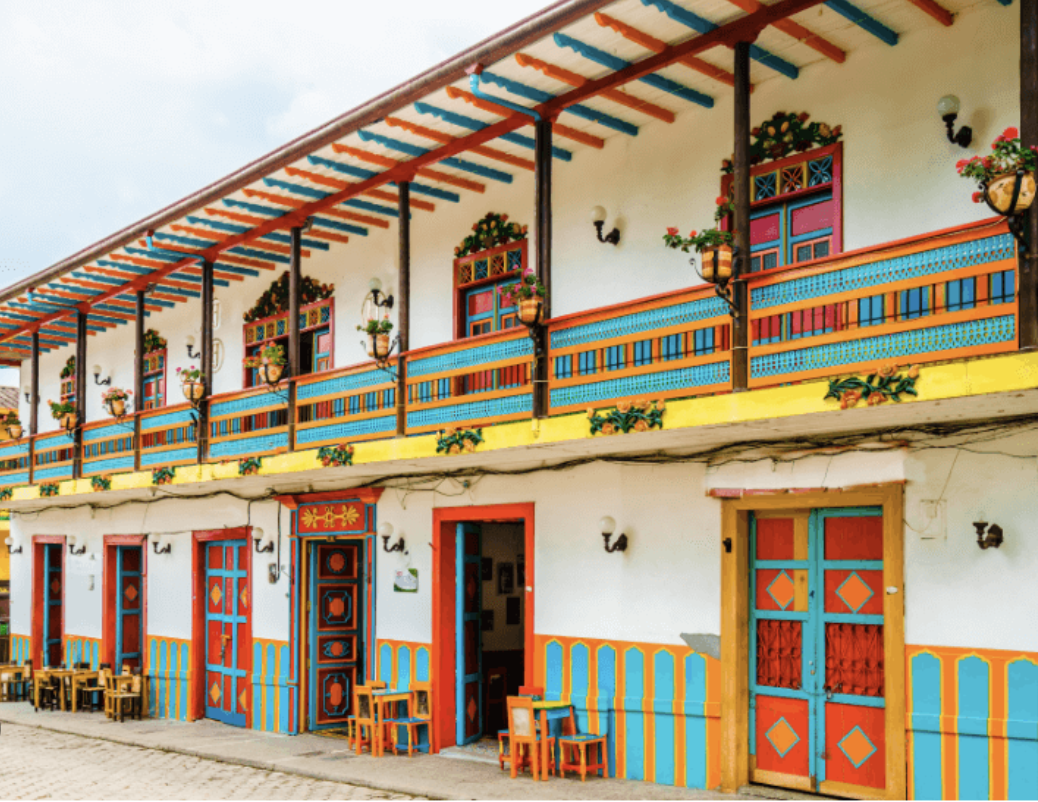
About three hours southwest of the city, Jardín is the postcard coffee pueblo everyone pictures when they say “colorful Colombia” — painted balconies in every shade, a plaza full of little wooden chairs, and coffee grown right on the green hills around it.
Ride the rickety garrucha (a homemade cable car) up for the view, then do nothing but drink tinto, people-watch in the square, and eat your weight in trout and dulces. It’s slow, sweet, and completely unbothered.
Do it as a long day trip if you must, but it’s worth an overnight — the town gets magical once the day-trippers clear out.
Escape to Santa Fe de Antioquia
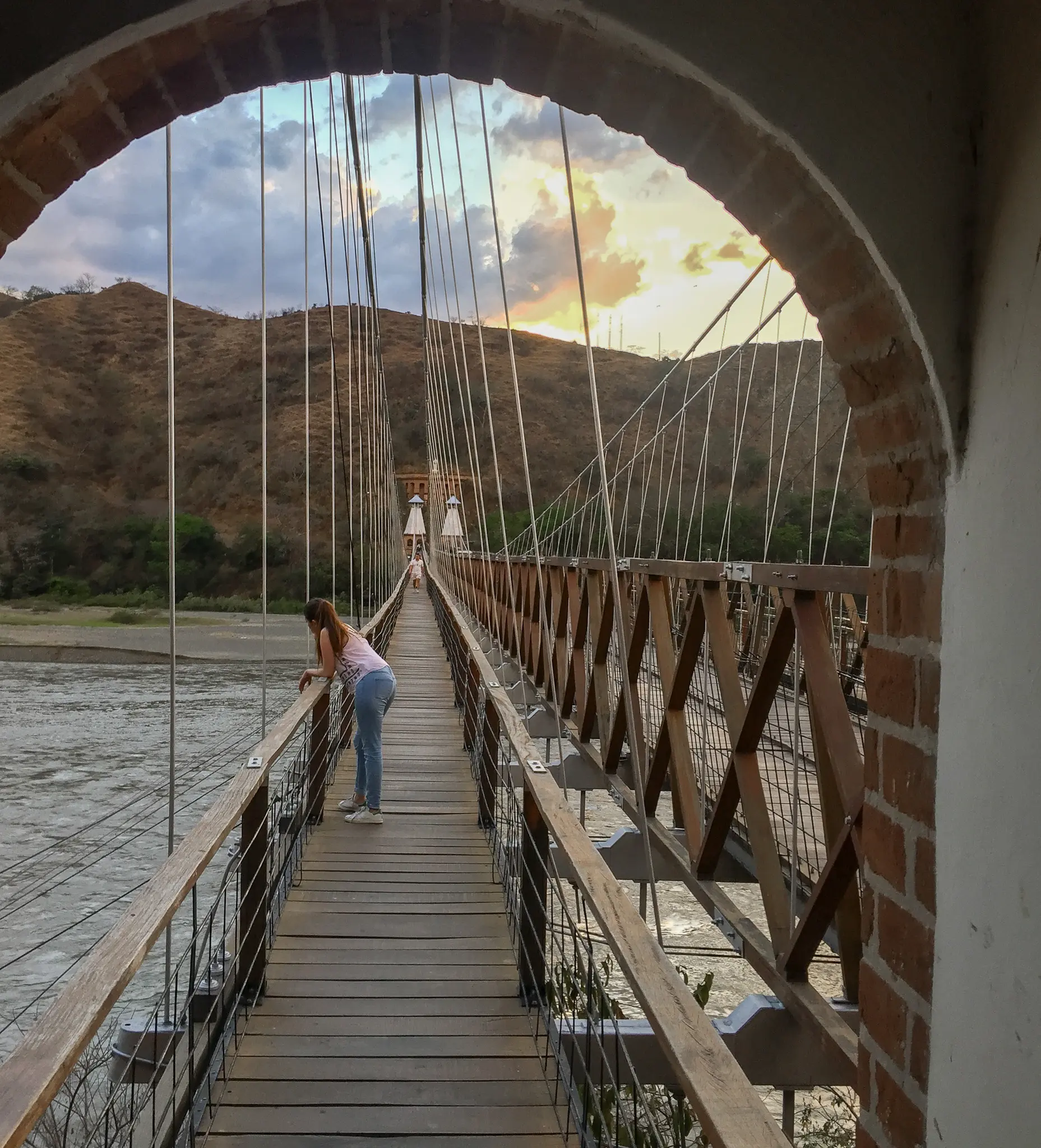
An easy ~1.5-hour trip, Santa Fe de Antioquia is a whitewashed colonial town frozen in the 1500s — cobblestones, courtyards, and the famous Puente de Occidente just outside. I’ve come here for weekend getaways with Colombian friends who have fincas; it’s hot down there, so come for the architecture and stay for the tamarind sweets.
Medellín FAQ
Is Medellín safe for tourists?
Medellín is generally safe for tourists and feels far safer than its old reputation — especially in El Poblado and Laureles. Use normal big-city sense: don't flash valuables, take Ubers or registered taxis at night, and be cautious of overly friendly strangers, since drink-spiking robberies are the real risk far more than violent crime. Read the full guide →
How many days do you need in Medellín?
Give the city itself 4–5 days, plus a day or two for day trips like Guatapé or Santa Fe de Antioquia. A full week is ideal if you want to slow down — I came for a week and ended up staying three years.
What's the best neighborhood to stay in Medellín?
El Poblado is the easy choice for first-timers: walkable, safe, and packed with restaurants and rooftops. For a more local, lower-key vibe, stay in Laureles. Read the full guide →
When is the best time to visit Medellín?
Medellín is the "City of Eternal Spring," sitting around 70°F year-round, so any time works. December through March is the driest, and August brings the famous Feria de las Flores flower festival.
Is Medellín expensive?
No — Medellín is very affordable by US or European standards. A set lunch runs a few dollars, nice dinners are a fraction of what you'd pay at home, and it's one of the best-value cities in South America.
How do you get around Medellín?
The Metro and its cable cars are clean, cheap, and easy, and Uber and taxis are inexpensive for anything they don't reach. You rarely need a rental car in the city.
Which airport do you fly into for Medellín?
Most international flights land at José María Córdova (MDE) in Rionegro, about 45 minutes from El Poblado. The smaller Olaya Herrera (EOH) handles domestic flights and sits right in the city.
Can you drink the tap water in Medellín?
Yes — Medellín is one of the few places in Latin America where the tap water is genuinely safe, and it's known for being good. Bring a reusable bottle.
What's the best day trip from Medellín?
Guatapé and El Peñón (the giant climbable rock) is the classic, but Santa Fe de Antioquia and the coffee town of Jardín are just as worth it.
Is Medellín good for digital nomads and solo travelers?
Very. There's a huge expat and nomad scene, fast wifi, endless cafés to work from, and it's easy to meet people. Solo travelers, including women, do fine with normal precautions.
What is Medellín known for?
Perfect spring-like weather, the transformation of Comuna 13, world-class food, flowers and the Feria de las Flores, paisa hospitality, and — fairly or not — its cartel history.
Do you need a visa to visit Medellín?
Most travelers (US, UK, EU, Canada, Australia) don't need a visa for stays up to 90 days — you just get a stamp on arrival. Always double-check your country's current rules before you fly.
Where should you eat in Medellín?
Medellín has some of the best fine-dining value in Latin America alongside hearty Paisa classics. Order a bandeja paisa (the giant platter of beans, chicharrón, chorizo, egg and arepa), grab fresh arepas from a street cart, and hit the menú del día for a cheap, filling local lunch. El Poblado and Provenza hold the trendy spots; Envigado keeps it local. I ate incredibly well every single day when I lived there. See all the best restaurants →
If none of these are your jam you can search more activites here:
And check out Medellín flights below:
More Colombia guides

Your perfect 10-day Colombia itinerary
Cartagena, Medellín & Tayrona in ten days — the full route with real costs.
Read the guide →
13 best souvenirs & gifts to buy in Colombia
Leather, emeralds, coffee, swimwear — what to actually bring home.
Read the guide →
17 best restaurants in Medellín
From El Cielo to hole-in-the-wall paisa gems — where to eat.
Read the guide →Medellín packing cheat sheet:
Safety & Essentials
Anti-Theft Crossbody Bag: Will make you look like a tourist, but if it’s obvious anyway, these lightweight, slash-resistant bags keep your phone and wallet secure while exploring busy areas like El Poblado or Comuna 13.

RFID-Blocking Travel Wallet: If you really want to go full Jason Bourne, keeps your cards and cash protected in one of these while you’re moving between cafs, taxis, and metro stations.

Portable Charger (20,000 mAh): Crucial for long days out so your phone doesn’t die while navigating, taking photos, or ordering rides.

Out & About
Perfect for Medellín’s warm days and sudden rain bursts because it dries fast and stays breathable.

Packable Daypack: For day tripping, carrying layers, camera gear, and souvenirs in Guatap or coffee farm tours.

Reusable Insulated Water Bottle: Keeps your water cold all day while walking hills, riding metro cables, or climbing El Peol.

Content Creator Gear
Clip-On LED Light: Gives you bright, flattering light for nightlife photos and videos inside dim bars or restaurants. So you can be that guy.


DJI Mini 2 SE: The DJI Mini 2 SE is one of the best budget travel drones on the market, and what I use. It has an ultralight design perfect for travel.

My recommendation for Medellín tourist activities is to start with this list, and then go meet locals and see what happens. Medellín is a city of magic and possibilities, so keep an open mind and schedule.
As always, if you have any questions or want specific recommendations leave them in the comments and I’ll respond.
If you want to message me privately, I’ll respond on Instagram @the.hautebohemian
Pro Tip for digital nomads: If you want reliable data while exploring Colombia, Truely’s eSIM is the easiest way to stay connected without hunting for Wi-Fi or juggling SIM cards. Their plans use the best local networks, work instantly, and start at just a few dollars a day. It’s the simplest option if you’re bouncing between cities and need your phone to just work.
Medellín is full of amazing experiences – but the best adventures start with a little backup plan. Travel insurance might not sound glamorous, but trust me, it’s the smartest thing you can pack. From flight delays to unexpected medical visits, having coverage means you can relax and enjoy Medellín without the “what ifs” hanging over your head.
SafetyWing is affordable, easy to set up, and made for travelers like us. Give yourself the freedom to 45 best things to do in Medellín – knowing you’re covered if anything goes sideways.
Those are the 45 best things to do in Medellín, from Comuna 13 to Guatapé — with real 2026 prices. Have the best trip.
;”>This blog may contain affiliate links. If you make a purchase through these links, I may earn a commission at no additional cost to you.
This helps support the blog and allows me to continue creating content. Read my fulldisclosure for more info and thank you for your support.
I am planning a trip to Medellin soon and this is so helpful! Can you share your uber driver/tour guide info? Thank you!!
Hello! My original driver moved to Europe but he gave me his trusted contact, and I’ve used him. His name is David Ruiz and his Colombian number is +57 300 6093073. He’ll ask for your passport number – that’s normal it’s because he has a tourism license and if he has your passport your his official customer under that license if the police pull you over they can’t give him a ticket for doing Uber illegally 🙂
Hi, thank you for this very informative article. Do you know if David does longer distance trips and can he also act as a guide or should I hire a separate guide/tour company?
He took us to Guatape and picked us up the next day but his English is a little limited so if you want a guide I can ask Carlos (the original driver) or my guy from Comuna 13 to find one. Where are you trying to go?
Very interesting post. To continue on the salsa classes, I would suggest this website: http://www.heymedellin.com. There is a complete listing of dance schools (+21 schools).
Awesome post.
Thanks for the reco!!
Really Amazing!!
This has been one of the most informative guides I’ve read about Medellin, or Colombia ever! I hope you got paid for this shit. Thank you!!!
(Please send me your driver’s contact)
Thank you! Of Course – Carlos is the driver – he is the best person ever and his number is +57 (300) 413-5335
Your insight is a treasure trove. Grateful for your generosity in sharing it with us.
Men Gothic Pants
thank you for all information
This guide to 21 cool things to do in Medellín offers fun and inspiring travel ideas that showcase the city’s culture, food, nature, and vibrant neighborhoods. This raises an academic question: how does experiential travel content shape perceptions of urban destinations like Medellín and influence tourist expectations, cultural understanding, and local economic development?
Thank you for sharing this amazing guide to Medellín! I really enjoyed how you highlighted such a diverse mix of experiences—from cultural spots and local neighborhoods to adventurous activities and hidden gems. It gives a real sense of how vibrant and dynamic the city is, beyond the usual tourist attractions.
Your recommendations feel practical, well-curated, and genuinely inspiring for anyone planning a visit. I also appreciate how the article captures the energy, creativity, and transformation of Medellín so well. Great work and thank you for putting together such a helpful and engaging resource!
anytime!
Thank you very much,keep up the good work,