

Coffee, condors & actual prices
Your perfect 8-day Eje Cafetero itinerary – with real prices (2026)
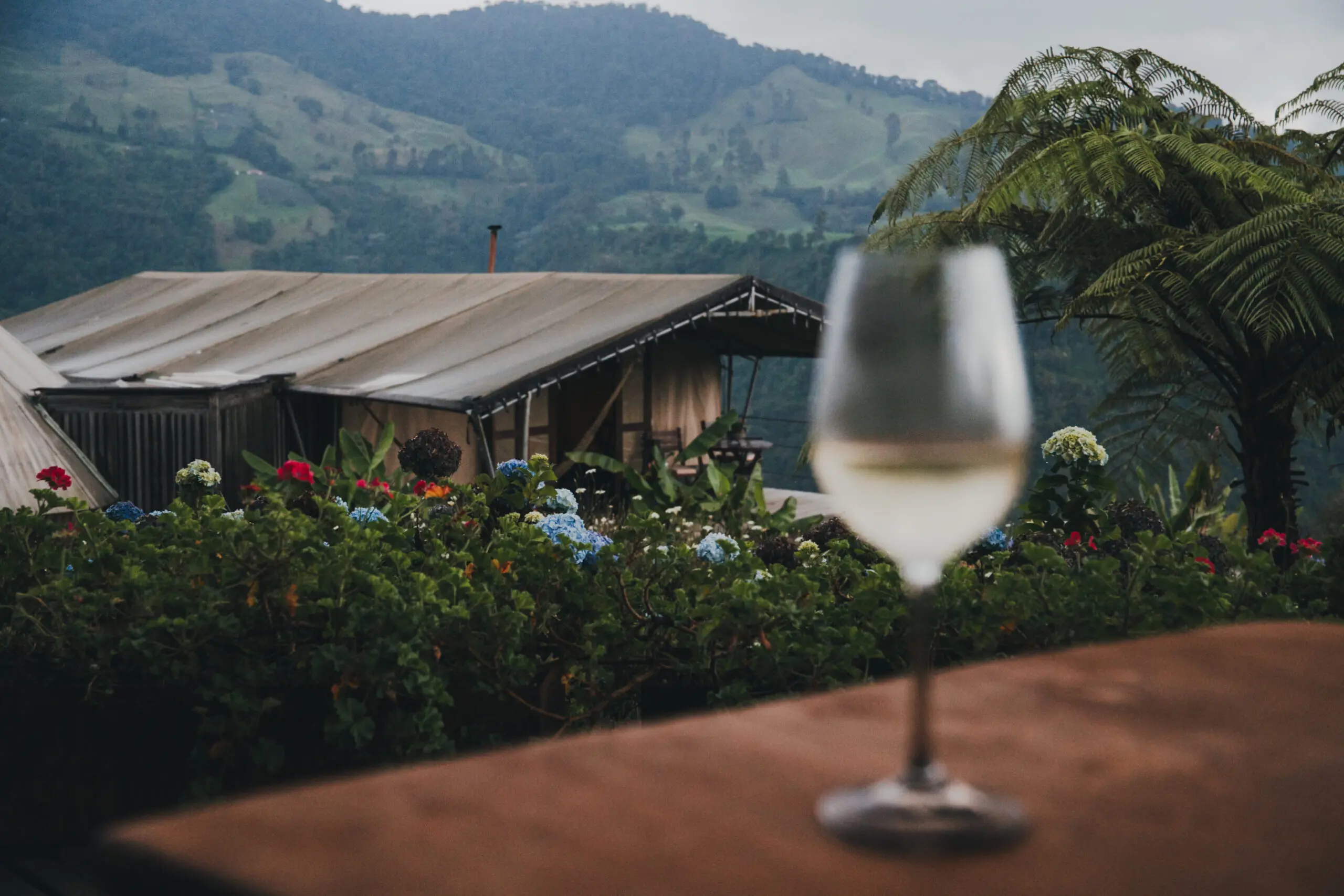
Eje Cafetero didn’t look how I thought it was going to look.
I pictured rolling green hills, a cup of the world’s best coffee, maybe a photo in front of a colorful colonial building in Salento – and yes, you’ll get all of that.
But the version I experienced involved a lot of rain, a 1.5-hour dirt road into the mountains, a gondola swinging over a 2,000-meter valley, 2 wild condors that have lived on the same property for 25 years, a sushi restaurant in a mountain town that had absolutely no business being that good, and luxury hotels that manage to give you a pretty authentic experience at the same time.
This is the Colombian coffee region in style. 8 days, 4 extraordinary hotels, trout for practically every meal, and 1 horse that will absolutely try to throw you off the side of a mountain. (More on that later.)
This is the perfect 8-day Eje Cafetero itinerary that I tested and perfected. Prices are real. Everything in Colombian pesos with USD conversions because vague travel blogs are useless. And there’s a full price breakdown of everything we spent on the entire trip at the end of the article.
Let’s go.
So what is your perfect 8-day Eje Cafetero itinerary? (2026)
TLDR; Table of Contents


The Willys Jeep - what it is and how to use it
The Willys jeep is one of the most recognizable images of the Eje Cafetero, and it has a real story. When World War II ended in 1945, hundreds of surplus military Willys jeeps found their way to Colombia, where they became indispensable in the coffee region's mountain terrain - capable of carrying over 600 kilos and navigating roads that nothing else could handle. They're still running today, painted in bright colors, each fitting up to 14 passengers (the Colombians are creative about this). Taking the Willys jeep is a practical and fun way to experience the history and the culture of this region.
What to Eat - Trout (trucha)
Trout is the regional dish of the Eje Cafetero. Order it wherever you see it, but especially look for: trout a la gratin on thin patacones. That specific combination is native to Salento - the patacones there are thinner, crispier, more like a platform than a side dish.
Getting to the Eje Cafetero
Fly into: Pereira (PEI) - Matecana International Airport. Direct flights from Bogota (~45 min) and Medellin (~35 min). From the US, you'll connect through Bogota.
From Bogota: LATAM and Avianca operate frequent daily flights to Pereira. Budget COP $200,000-400,000 (~$50-100 USD) each way if booked in advance.
From Medellin: An alternative entry point if you're combining trips - El Nido del Condor is closer to Medellin than Pereira, roughly 3 hours by road.
Getting around the Eje Cafetero
Rent a car: Can be a good decision for this itinerary, if you don't mind driving. Get a 4x4 or SUV - mandatory for the El Nido leg, highly recommended everywhere else. The roads between hotels are mostly paved and beautiful. Driving yourself gives you autonomy that transfers and taxis can't, but honestly, using drivers has as much flexibility on timing as renting a car.
Uber: Works reliably within Pereira and Salento for shorter hops, and we did use it between certain hotels. Use it for the airport transfer and for getting around town. May not always be available on rural mountain roads.
Private driver/transfer: Worth it if you're not renting a car. You can call our guys Juan David Biohotel Eje Cafetero (+57 300 523-1819) or ask your hotel to arrange - they have trusted local contacts. For El Nido specifically, confirm the driver has a 4x4 before you book.
Willys jeep: For the Salento to Cocora Valley trailhead run only. COP $5,000 (~$1.25 USD) each way, departs the main plaza from 6:30am. It's part of the experience - take it at least once.
Language note: Spanish is essential outside the hotels. If you don't speak it, download Google Translate offline before you go. If you do, use it. Even basic Spanish goes a long way.
Things to do in the Eje Cafetero
Beyond the four hotels, the broader region has more than most itineraries cover. Here's what's worth knowing about:
Coffee. The Eje Cafetero is, obviously, coffee country. If you want a proper farm tour, Hacienda Venecia near Manizales is the most consistently recommended. Several farms in the Salento and Armenia areas also offer tours at varying levels of depth - from a 2-hour overview to a full-day harvest experience. Budget COP $60,000-$100,000 (~$15-$25 USD) per person. We didn't do a coffee tour on this trip (four hotels in eight days leaves less time than you'd think), but it's on the list for next time.
The wax palms. Colombia's national tree, Palma de Cera, grows up to 60 meters tall and is concentrated in the upper reaches of Cocora Valley. The horseback riding loop doesn't always take you deep enough to see the most dramatic ones. If the palms are your primary reason for being here, hike the full loop: 15 km, 5-6 hours, starts at the Willys jeep drop-off point.
Thermal springs. Termales de Santa Rosa de Cabal is the most accessible and most visited. Hot springs built into a mountain forest, about 45 minutes from Bio Habitat or Pereira. Most international guides skip it. Go.
Wildlife. Beyond El Nido's resident condors, the Eje Cafetero has significant biodiversity - it's one of the most biodiverse regions on Earth. The Jardin Botanico del Quindio in Armenia includes a butterfly sanctuary with hundreds of native species.
Hacienda culture. The coffee region built its wealth through the hacienda system, and several historic coffee estates are now open for tours, overnight stays, or meals. Look for properties marked Paisaje Cultural Cafetero - Colombia's UNESCO-designated coffee cultural landscape.
Practical tips for the Eje Cafetero
Cards vs. cash: US cards are frequently declined at pharmacies, smaller restaurants, and markets. "BIN not supported" is the usual error. Carry COP cash for anything off the main tourist path. Stock up at the Pereira airport ATM when you land.
Best time to visit: December-February (dry season) and July-August. Green year-round and beautiful in any weather, but the El Nido road is significantly safer when it's not raining.
Altitude: Salento sits at about 1,900 meters (6,200 feet). El Nido is higher.
What to pack: Rain jacket (non-negotiable), layers, broken-in hiking shoes or trail runners, bug spray, sunscreen.
Quick facts
📍 Location: KM 3, Valle del Cocora, Salento, Quindio
✈️ Fly into: Pereira (PEI) - under 1 hour drive to the property
🏨 Where to stay: Sazagua Cocora - Premium Suite from ~$262/night (COP $1,048,500)
🗓️ Best time: December-February (dry season). Cocora Valley gets foggy and magical in the mornings year-round.
⏱️ Minimum stay: 2 nights
Getting there
Fly into Pereira (PEI) - this is your hub airport for the entire trip.
Grab an Uber directly to Sazagua Cocora: about 1 hour, COP $31,000 (~$8 USD). Don't bother with arranged hotel transfers - Uber in Pereira is reliable and a fraction of the price.
View this post on Instagram
Getting around - Valle del Cocora
-
- Uber works well within Pereira and for the airport transfer
-
- Willys jeep runs from Salento's main plaza to the Cocora Valley trailhead throughout the day, from the main plaza starting at 6:30 AM and leaves when full: COP $5,000 (~$1.25 USD) each way
-
- On-foot for the waterfall trail and property grounds - everything at Sazagua is walkable
-
- Rental car or private transfer recommended for moving between hotels. The hotels can just call them for you, but sometimes it's cheaper and faster to just call an Uber - check both.
Things to do - Valle del Cocora
-
- Horseback riding in Cocora Valley – Can have Sazagua book it and put it on your room, COP $220,000 (~$55 USD)/person
-
- Full Cocora Valley hiking loop – 15 km, 5-6 hours, through cloud forest with suspension bridges; Willys jeep drops you at the trailhead
-
- Coffee farm tour – Finca El Ocaso, about 20 minutes from Salento. Small-group tours walk you through the full process from cherry to cup. COP $40,000–$60,000 (~$10–$15 USD)/person
-
- Salento town – Picturesque, colorful buildings run along the main street and the square, artisan shops, and a viewpoint at the top of the Calle Real


Where to stay

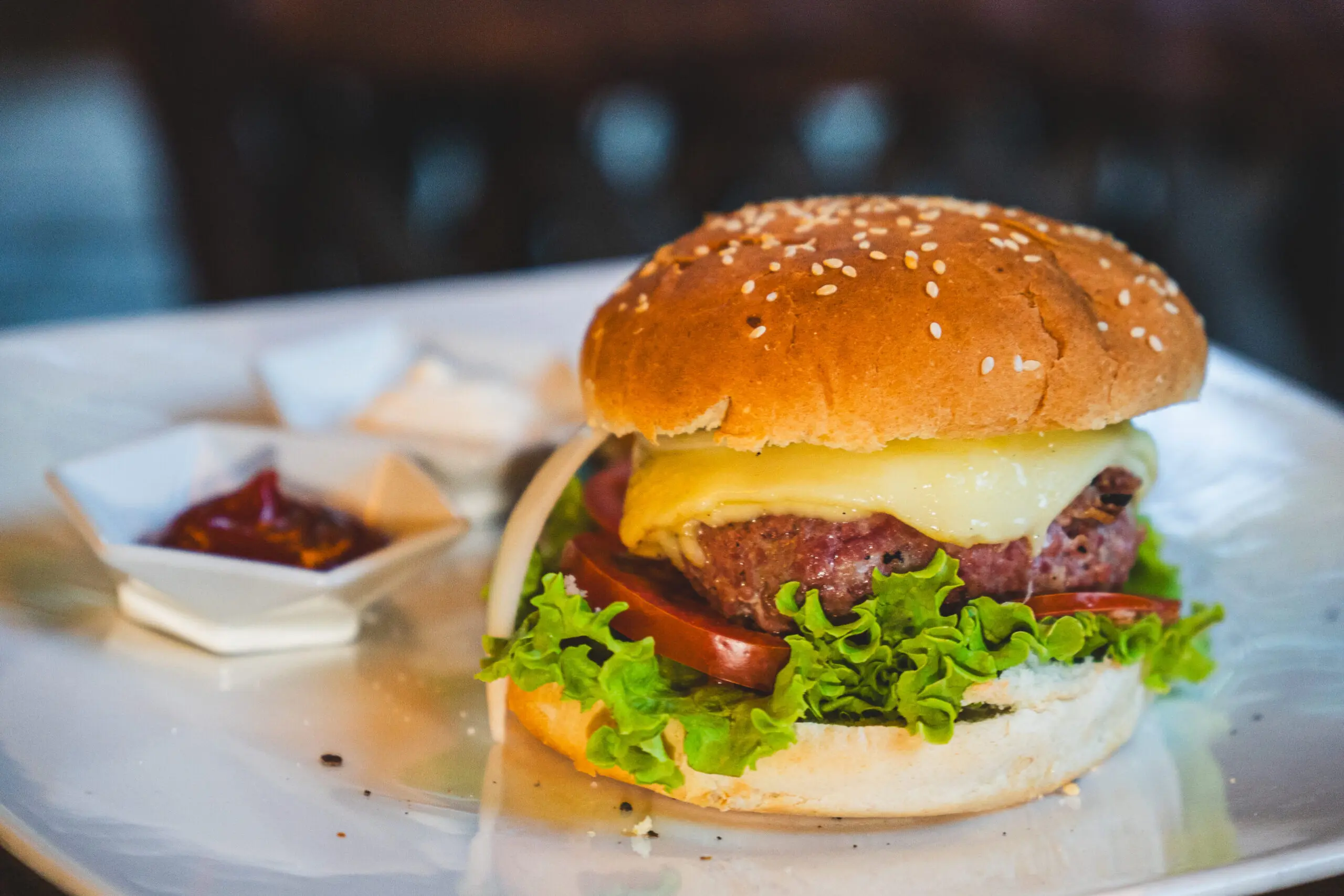

Valle del Cocora · Day 1
Into the valley, into the Ofuro
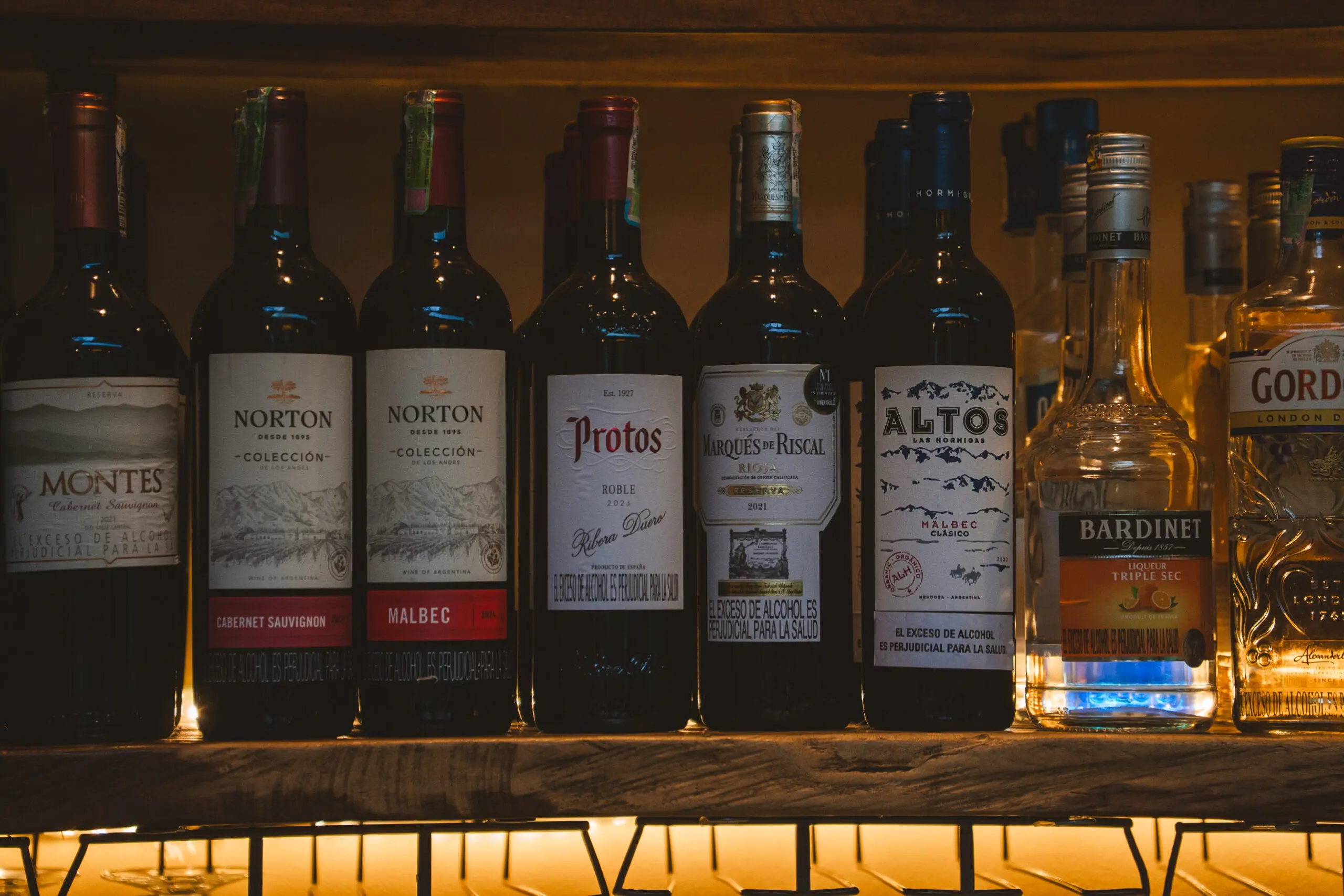
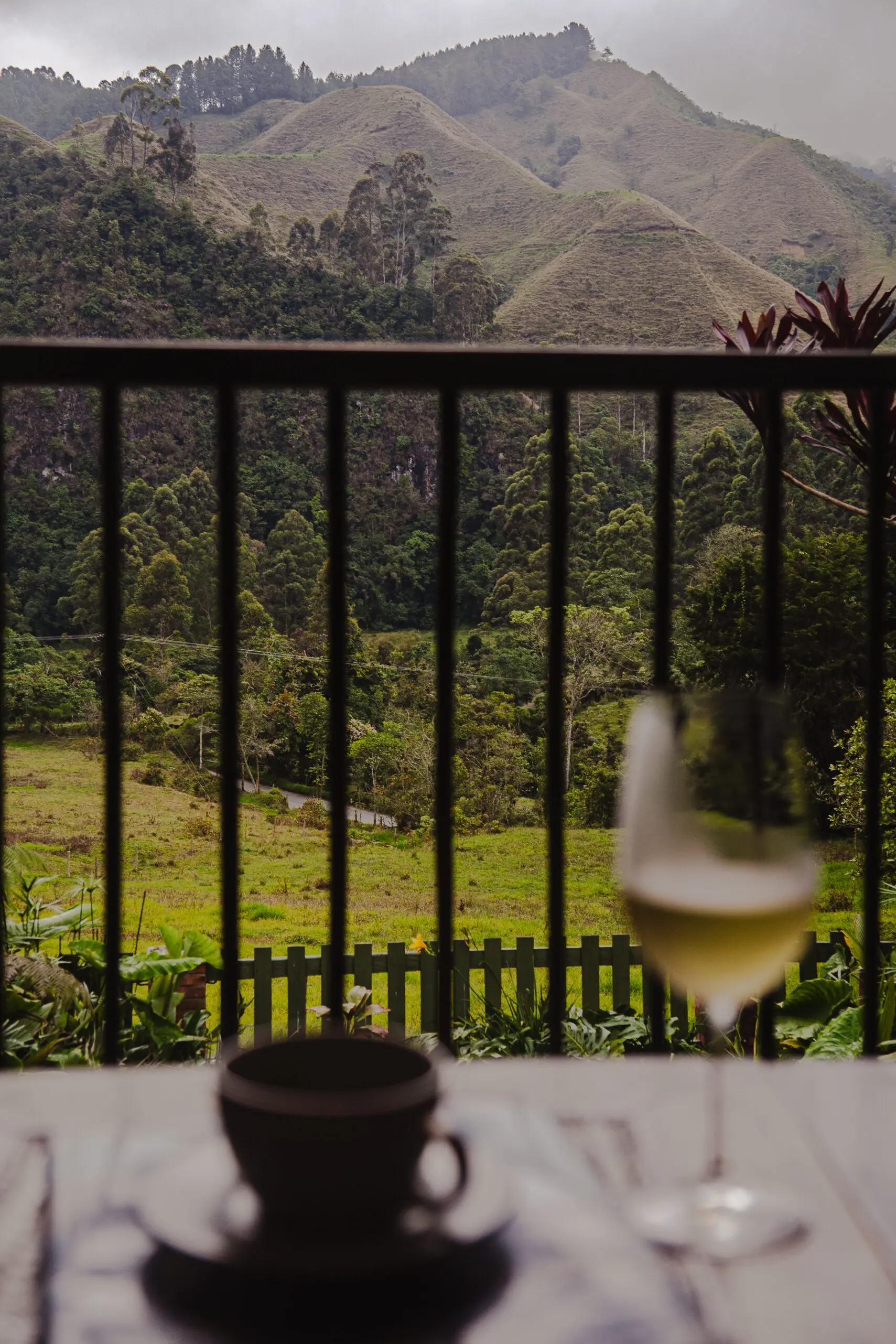
You arrive from your pilgrimage to Sazagua Cocora, greeted by a hot cup of coffee and possibly a glass of wine. Check in, exhale, and stop trying to plan things.
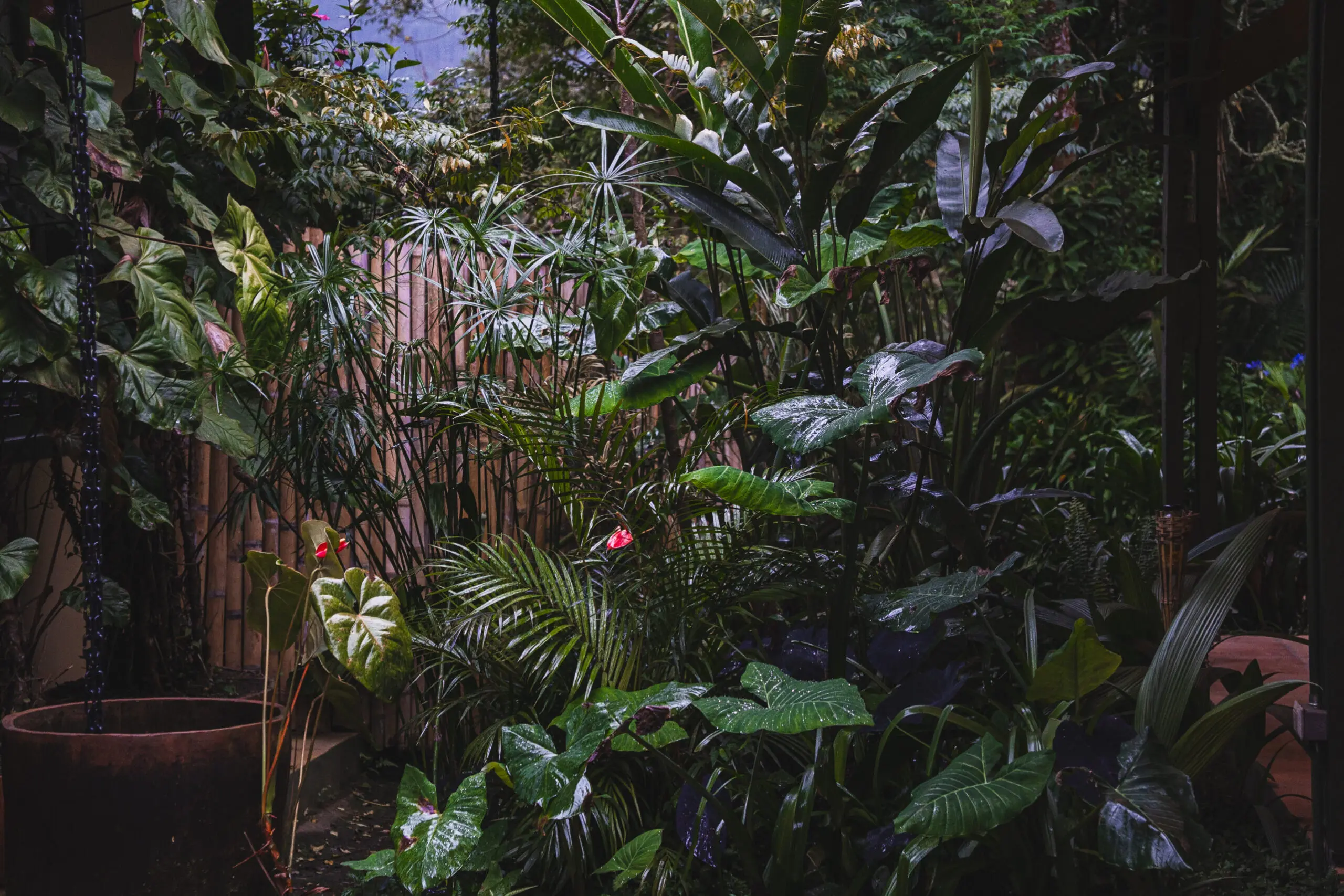
The Sazagua property is 80 hectares of cloud forest with a waterfall, a working restaurant, a fireplace, and your room has a Japanese soaking tub overlooking a private garden.
Give yourself permission to do nothing for the entire first day.
The Waterfall Walk
Do it the afternoon you arrive. It sets the tone for the kind of property this is – unstructured, green, and genuinely in the middle of something wild.
The trail is easy enough in sneakers.
The Ofuro
The Japanese soaking tub in the Premium Suite is not a gimmick.
Fill it at sunset, pour something from the minibar, and enjoy your life.
Pro Tip: Ask the hotel to heat the tub 3 hours before arrival so it's hot when you get there.

Where to Eat — Restaurante Cocora
Don't leave the property for dinner on night 1. Restaurante Cocora is right there, the menu changes with the local agricultural cycle, and the setting — open-air, looking out over the valley — is exactly what you came for. What we spent: COP $178,090 (~$45 USD) for 2, plus tip COP $16,490. Dinner for 2 at a boutique eco-lodge restaurant in the Colombian cloud forest for $45. The Eje Cafetero is still wildly underpriced for what it delivers.The horse that tried to kill me (and the wax palms)
Cocora Valley is the iconic image of the Eje Cafetero – the super tall-and-skinny wax palms rising out of the fog, Colombia's national tree, growing up to 60 meters high in a valley that looks like it was set-designed. Book the horseback riding. But read this first.
Horseback Riding in Cocora Valley
Book through Sazagua directly – they arrange everything, horses depart from the property, and the guides know the trails. Price: COP $220,000 per person (~$54 USD). Worth it.
The wax palms are concentrated in the upper part of the valley. Depending on the route your guide takes, you may see a few palms from the lower trails – gorgeous, but not the full spectacle.
If seeing the towering palms up close is your main goal, confirm with the guide before you set off that you're heading up. The full loop takes several hours.
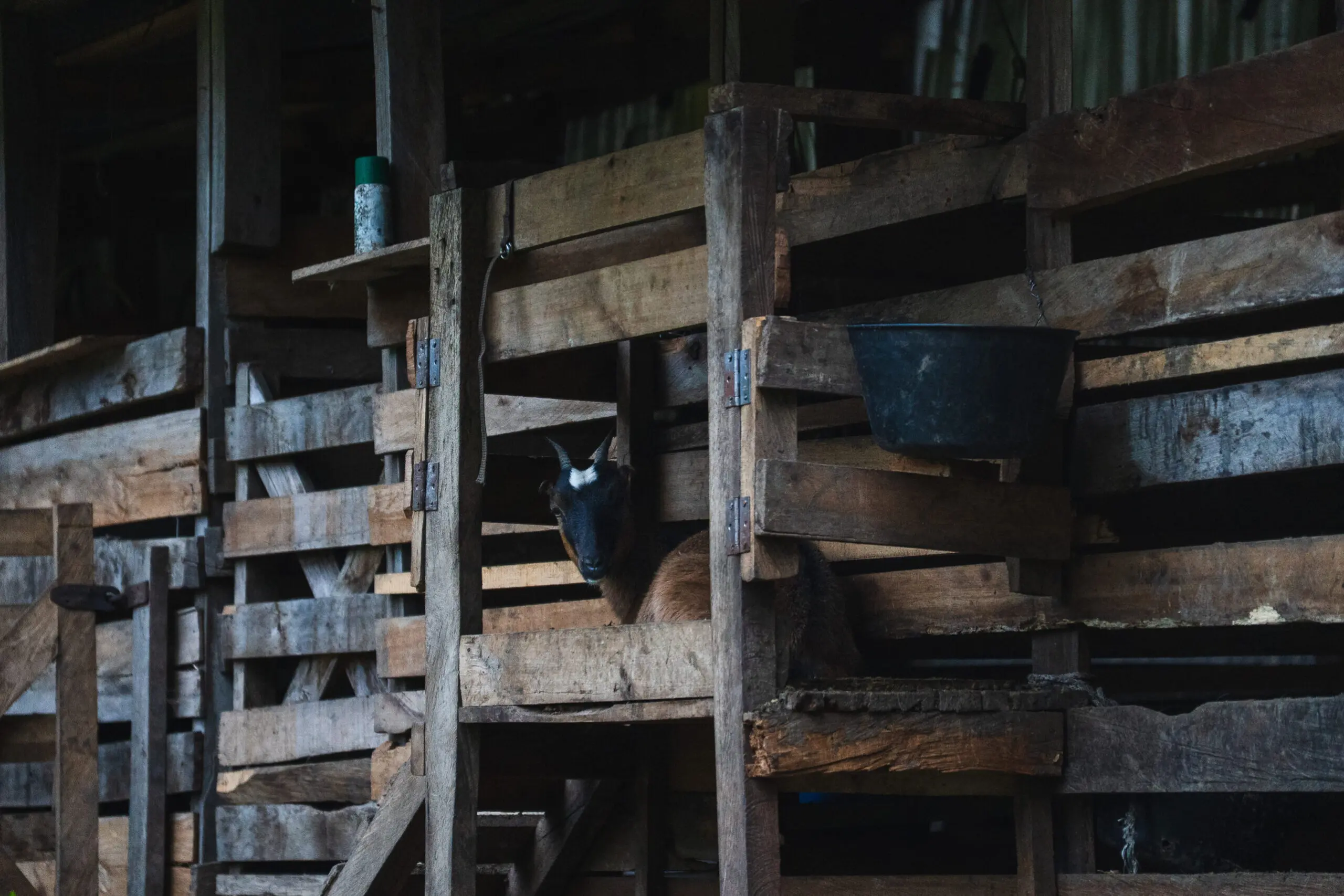
As for the horse situation: we ran into some guys doing yardwork and using a leaf blower. Weird. They stopped when they saw us but the horse was spooked. It bucked a little and then ran off what looked like the side of a cliff, so I bailed.
I was fine, and I managed to protect my $4,000 camera, but at the expense of putting my tooth through my lips.
The horses are well-managed and this was a one-time rodeo moment, not a systemic issue from what I've read, but just FYI if you see the leaf blower man.

After the Ride — Restaurante Cocora
Come back to the property, shower, and eat. The lunch menu at Restaurante Cocora is lighter than dinner — regional dishes, whatever's fresh.
Price Check: COP $131,561 (~$33 USD) for 2, plus tip
If the jugo de guanábana (soursop juice) is on the menu, order it – it's 1 of the signature drinks of the coffee region and you won't find it like this anywhere else. Same goes for the grilled arepas: thicker and more charred than what you'd get in Bogotá or Medellín, served with everything. Order them whenever you see them on a menu throughout the trip.
Quick Facts
- 📍 Location: KM 3, Vía Armenia Circas, Quindío
- 🏨 Where to stay: Bio Habitat Hotel – Aviaries Master · Grand Master Suite – Mountain
- 💰 Rate: from COP $750,004 (~$192 USD)/night
- 📅 Best time: Year-round – the design and setting are comfortable in any weather
- ⌛ Minimum stay: 2 nights – the spa alone requires a full day
Getting there
From Sazagua, drive back down the Valle del Cocora road, pass through Salento, and continue toward Armenia. Bio Habitat is at KM 3 on the Vía Armenia Circas – about 40–45 minutes and COP $55,000–70,000 (~$14–18 USD) from Sazagua. Easy drive, all paved.
View this post on Instagram
Getting around — Armenia / Quindío
-
- Uber works well in Armenia and for hops between nearby properties
-
- Rental car recommended for exploring the region – lets you do Termales and Armenia on your own schedule
-
- Taxis are available, but Uber is more reliable for non-Spanish speakers


Things to do — Armenia / Quindío
-
- Bio Habitat spa – proper wellness treatments and food in a setting that matches the property's aesthetic
-
- Armenia city – capital of Quindío, ~20 minutes away; great local markets, food, and a real Colombian city energy
-
- Termales de Santa Rosa – natural thermal springs, ~45 minutes; hot springs built into mountain forest
-
- Jardín Botánico del Quindío – botanical garden and butterfly sanctuary in Armenia; one of the best in the country
-
- Coffee farm tours – Recorrido por la Cultura Cafetera in Montenegro (about 15–20 min from Armenia) is thorough and well-run, though busy on weekends. Finca La Victoria near Clarcía is more low-key and historical – better if you want something smaller and less produced.
Where to stay
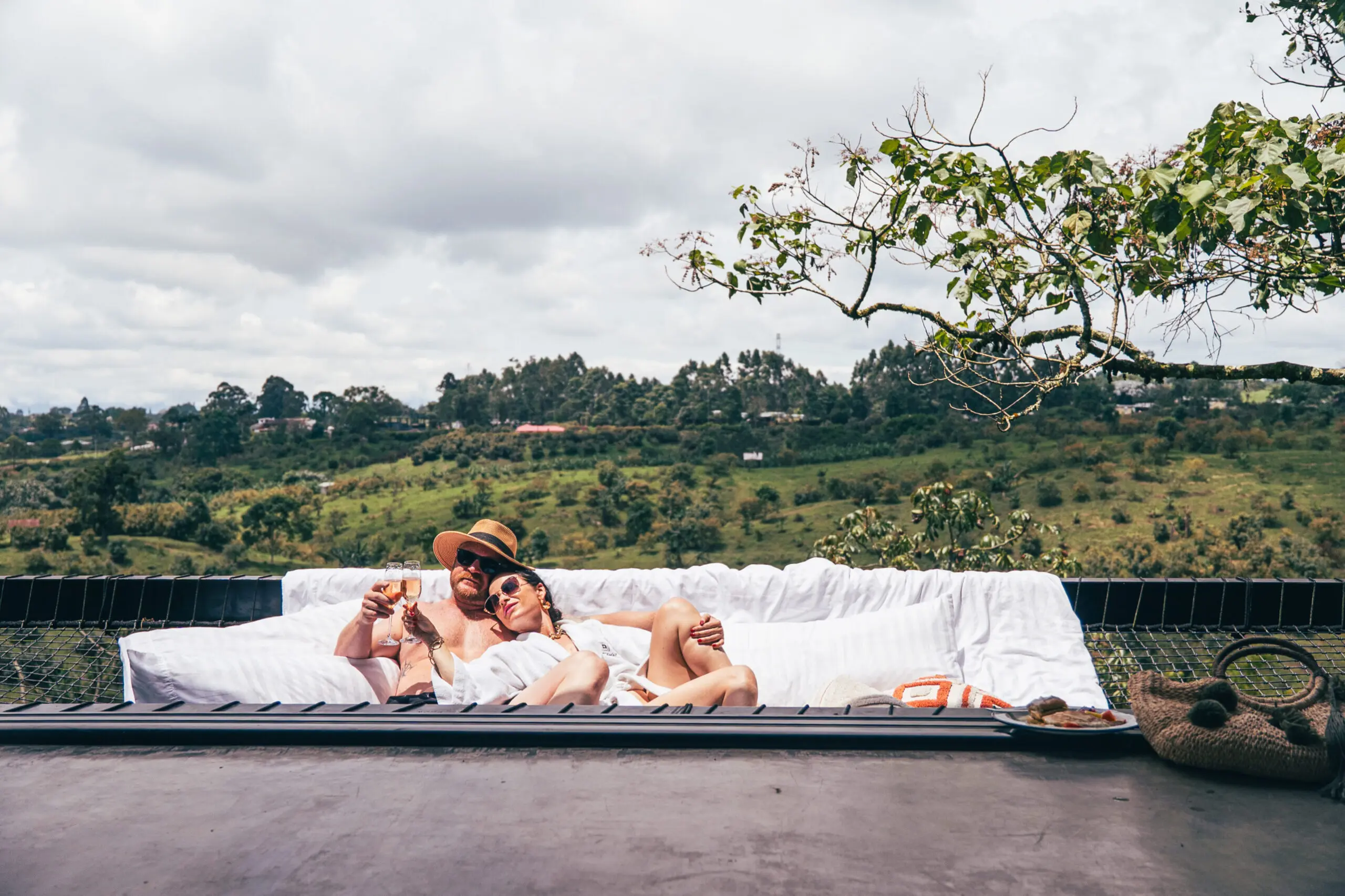


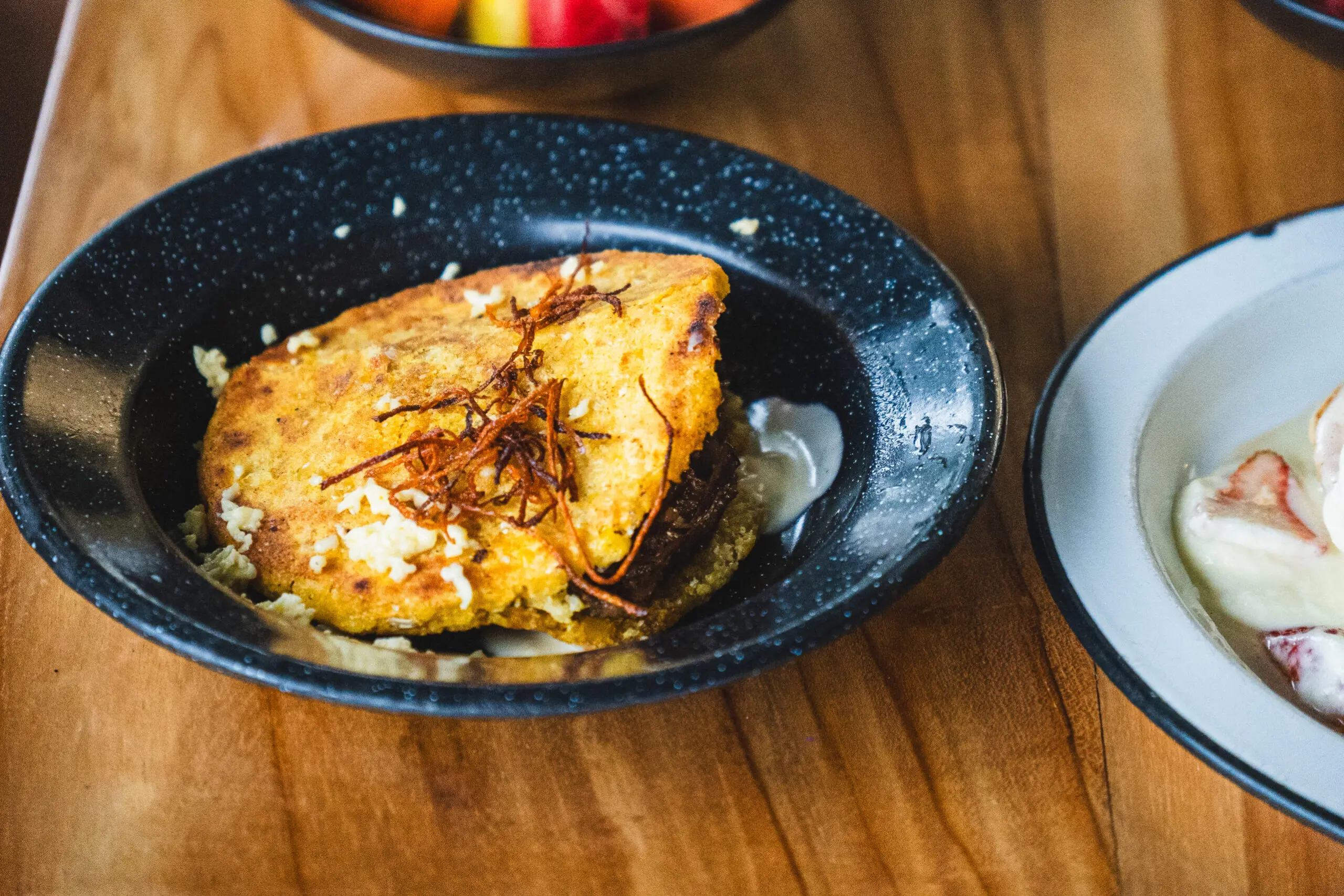
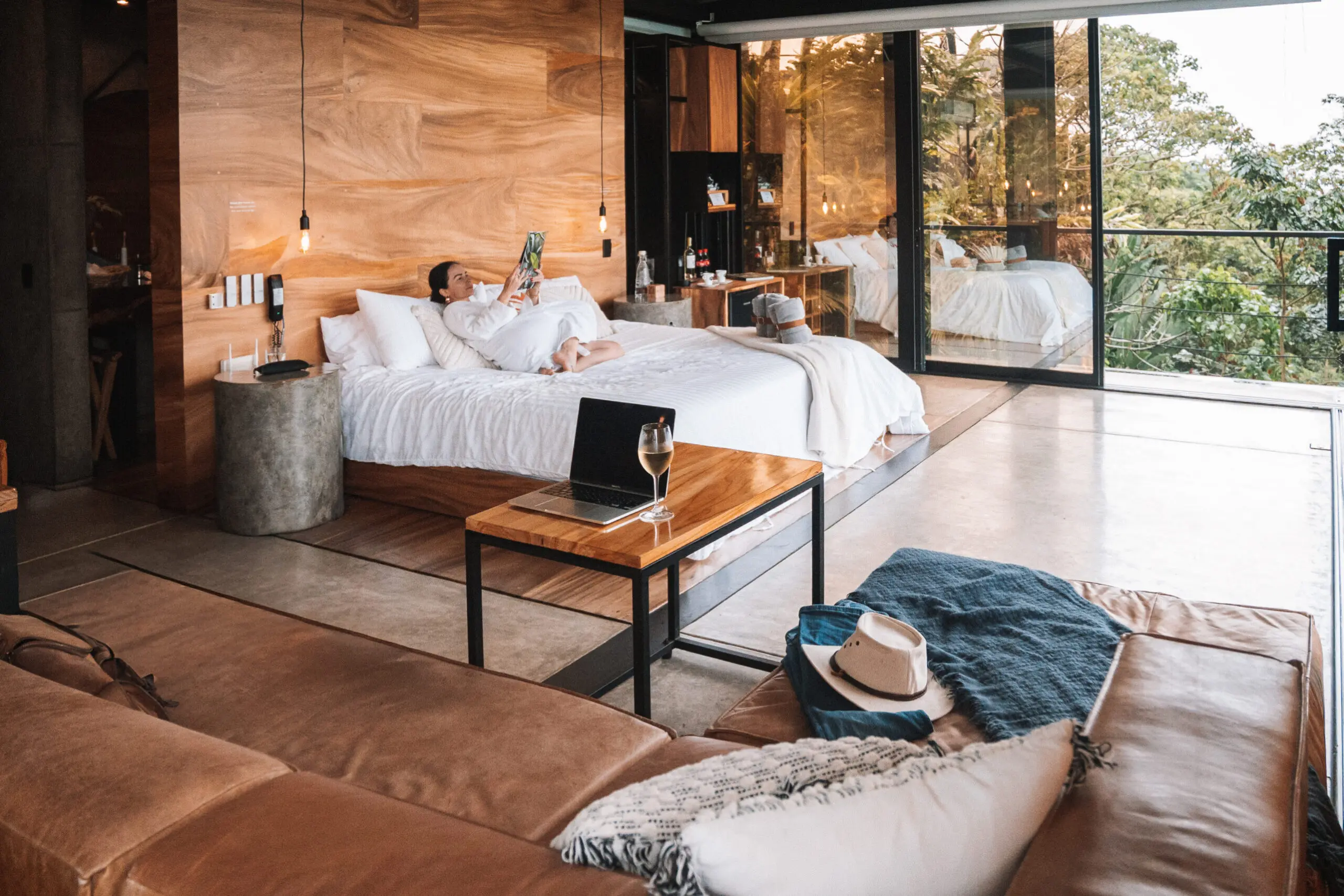




Down from the valley, into something greener
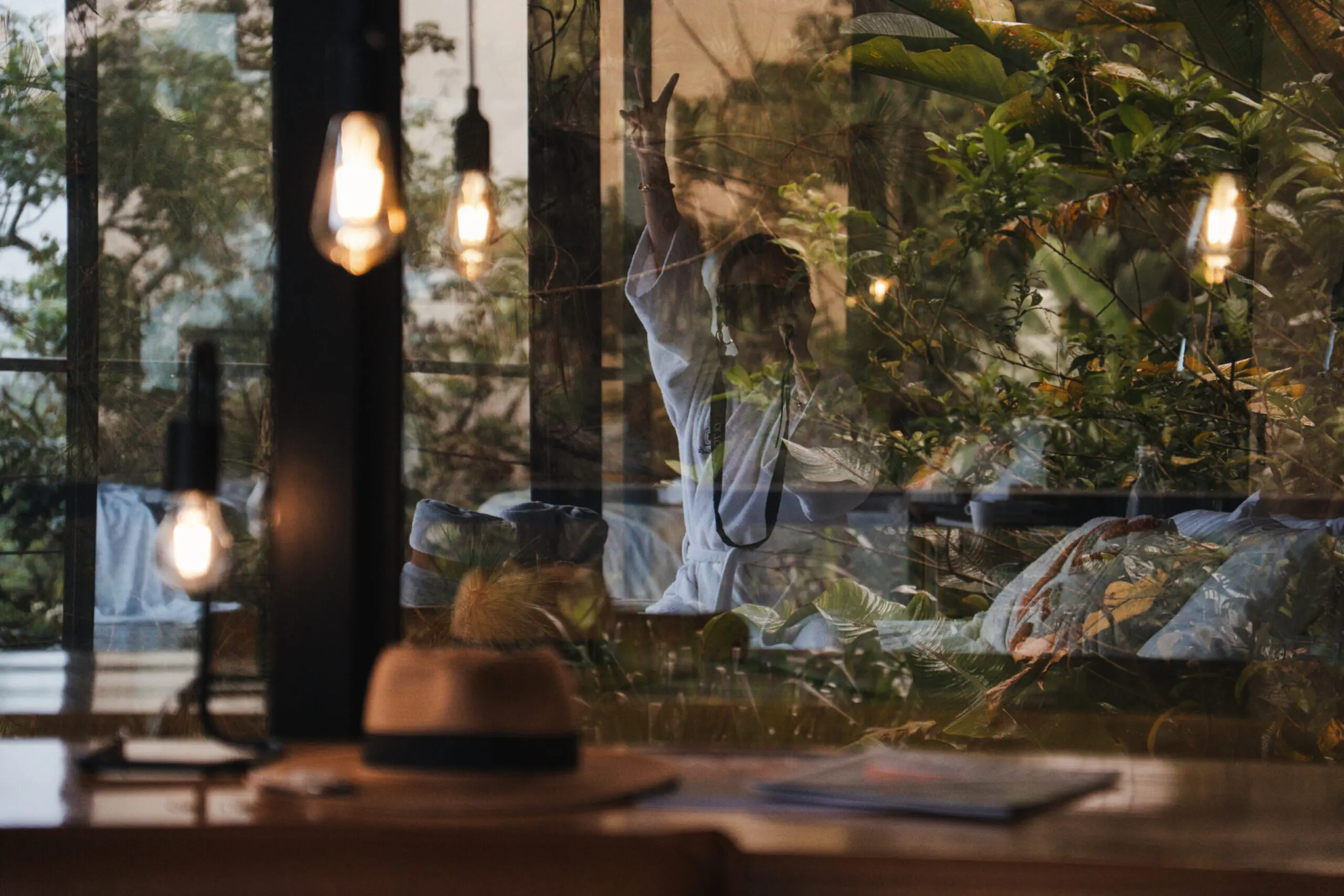
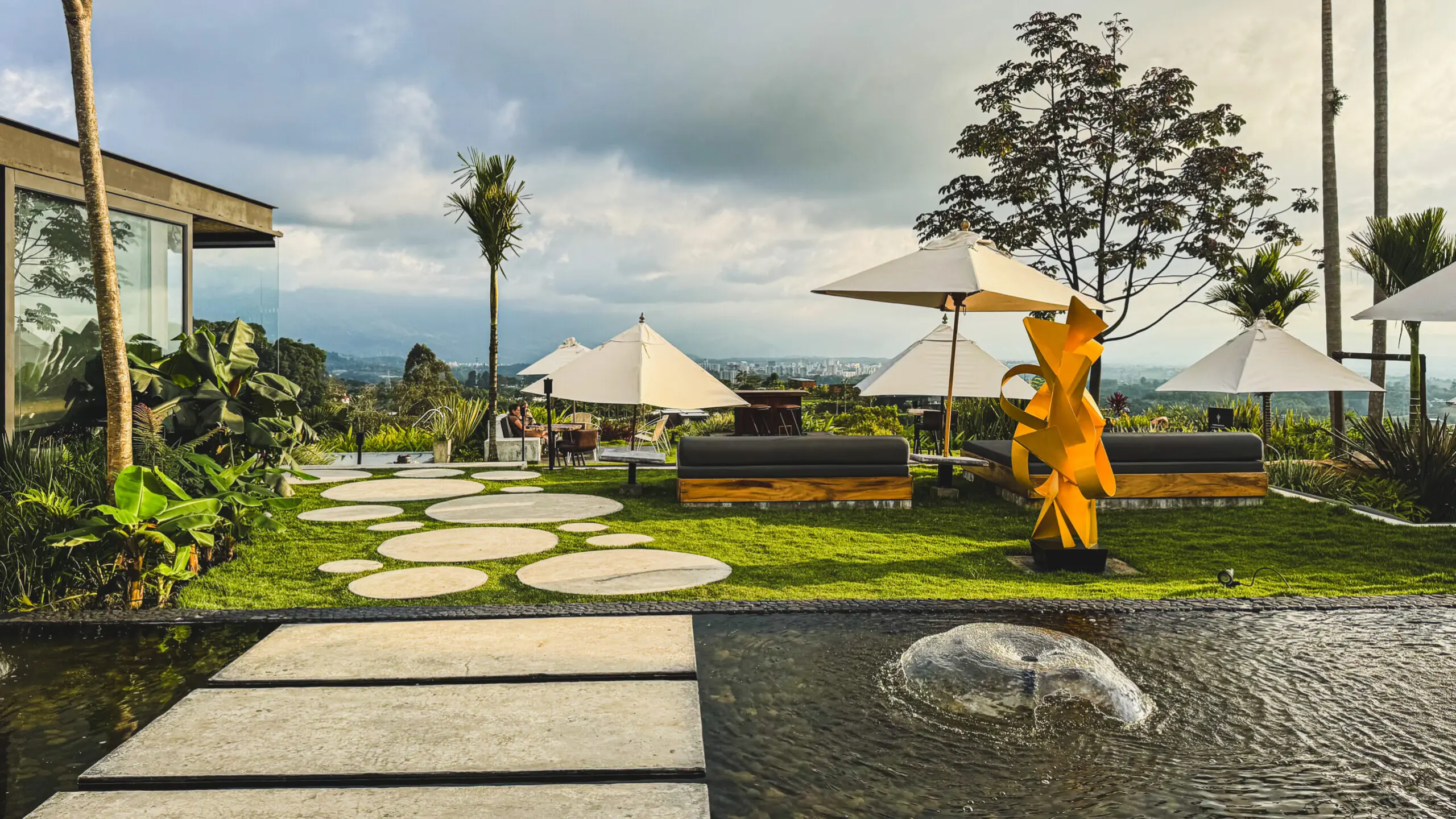
After the dramatic vertical landscape of Cocora Valley, Bio Habitat feels like stepping into a greenhouse – lush, horizontal, dense with plants and intentional design.
Spend your entire day here. Give yourself the gift of the afternoon of wellness rituals, followed by sunset drinks and dinner at Basto Resto Bar.
The hotel
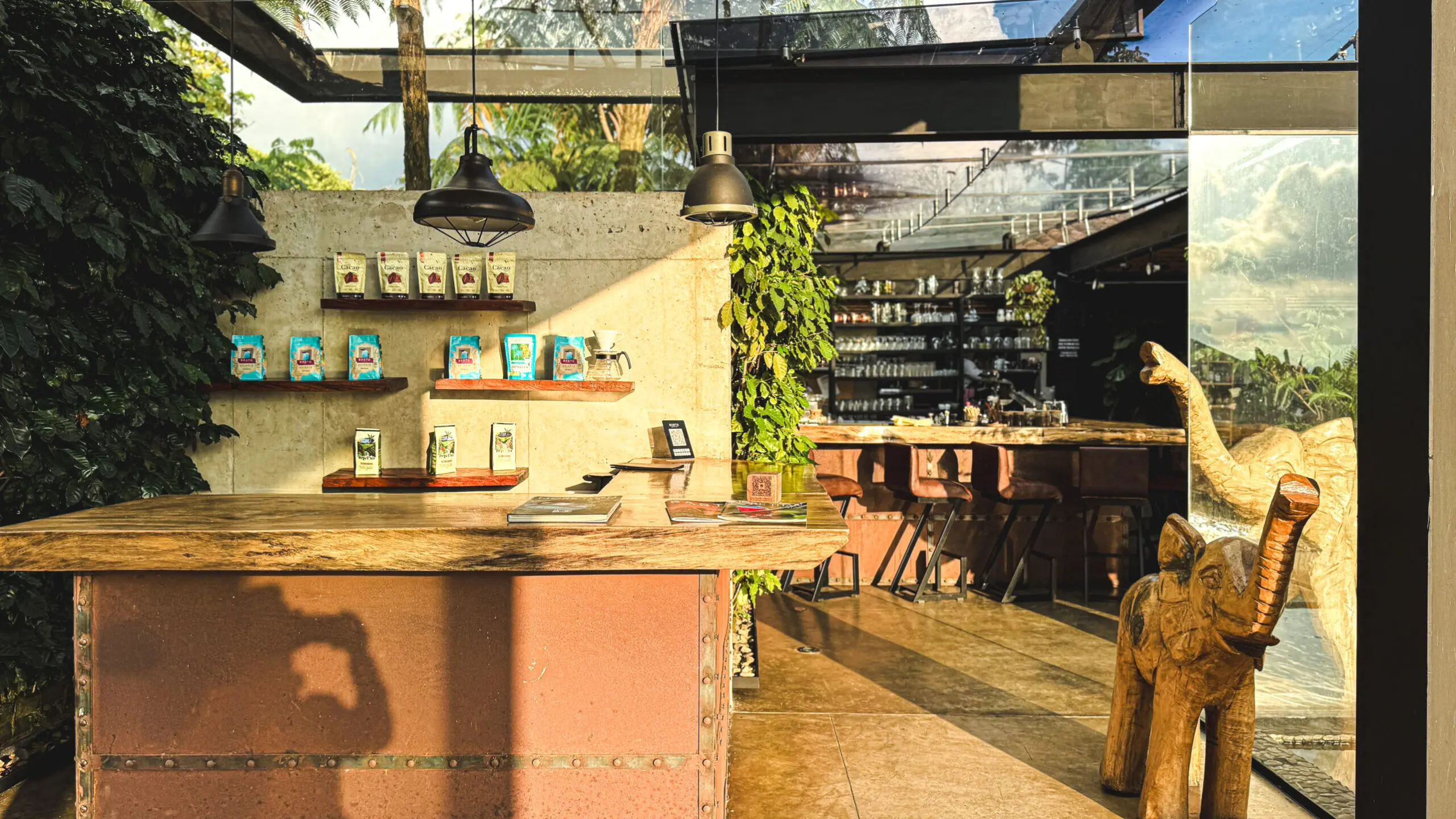
The hotel is built around a sustainability concept that you can actually see: the architecture uses natural materials throughout, the grounds are cultivated with the property's food sources in mind, and the whole place has a calm, considered quality.
One thing to know: some of the suites don't actually have a door...
It makes sense when you see it, but if that matters to your travel companion situation, you might want to ask about your specific room...
Hint hint – if you're on a first date, consider getting 1 of the other rooms.
The spa – BIO spa & wellness
Bio Habitat is pretty serious about wellness, and you should definitely get 1 ritual – minimum – so that you can at least check out the wellness center.
It's this huge open-faced wing of the property, with a glass-bottom infinity plunge pool that expands out about 60 feet into the jungle canopy.
It also has another long plunge pool perpendicular (in case you're afraid of heights) and a jacuzzi.
The bar upstairs has healthy drinks, teas, and food – and some wine – and they do meditation and yoga workshops.
They kind of have everything you would want at a wellness center, like the sauna, lounging area, etc.
And it's all set in a beautiful, green, lush jungle.
Book the full spa treatment for the day you get in.


Basto Resto Bar – Dinner
Bio Habitat's food scene is in an open ranch-style building looking out past a pool over the valley, and is run by Chef María Clara, from Cali.
She grew up in a family where the kitchen was the center of everything, and now runs a restaurant where every dish is designed to make you feel something specific.
"The first thing I want to happen when you try a dish designed by me," she told us, "is for it to take you to a moment you can remember for the rest of your life."
"How? By putting my memories in the dish."
Her philosophy is to be completely intentional with her ingredients, and it proves true in the dishes she has curated for Bio Habitat's restaurant, Basto Resto Bar – like the tuna tataki.
The tuna was the clear main character, complemented perfectly by shredded coconut and sesame, over a soy, olive oil and orange zest dressing, with avocado and Colombian potato – but it was never overpowered.
"It's not just putting a lot of ingredients and doing the perfect technique. It's really making an intention with all the ingredients. If that dish means something to me, I know it's going to mean something to you," she says.
The menu is seasonal, and many of the ingredients are sourced from their on-site garden.
The dishes are healthy and satisfying – exactly the kind of meal you want between a morning yoga session and an afternoon spa day.


What we ordered – Basto Resto Bar
| Dish | Notes |
|---|---|
| Tataki de Atún | Tuna tataki – shredded coconut, sesame, soy + orange zest dressing, avocado, Colombian potato |
| Pescado Blanco | White fish, seasonal preparation |
| Ensalada Basto | House salad |
| Pan | Bread |
| Torta Tres Leches | Dessert |
| Sticky Toffee Postre | Dessert |
| Negroni Copa | Cocktail |
| Vino Blanco Copa | White wine by the glass |
| TOTAL | COP $334,333 (~$86 USD) for 2 – Feb 18, table Tucaín |
Into the forest, into the dark
Morning – Bio Trail
Start on-property before you do anything else. Bio Habitat's Bio Trail is a 45-minute guided walk through 1.4 km of the hotel's grounds, where you actually see how the place runs: solar energy production, wetland water treatment, permaculture plots, and native tree planting. It's the kind of tour that makes the hotel's sustainability positioning feel like a fact instead of a marketing claim. If you want to go bigger in the morning, book Forest above Forest instead: a 4x4 excursion up into the Colombian Andes to 3,500 meters above sea level to reach the wax palm forests and spot the yellow-eared parrot in its actual habitat. Do this or the Bio Trail – not both, or you'll run out of day.Midday – Lunch in Armenia
Drive the 20 minutes into Armenia and go to DarPapaya for lunch. Chef Carolina runs a kitchen that mixes Colombian seasoning with Latin-Asian and Indian influences – the latter picked up from her Indian husband, which is exactly the kind of culinary backstory that makes a restaurant worth seeking out. Order the ceviche and whatever the fish special is. COP $43,700–$109,300 (~$11–$27 USD) per person.Night – Night Trail
This is the one. Bio Habitat runs a guided Night Trail through the property after dark – amphibians, night monkeys, insects, the full nocturnal ecosystem up close.Salento | KAWA Mountain Retreat · Days 5–6
The town that ties it all together
Quick Facts
- 📍 Location: Salento, Quindío – KAWA is a 5-minute walk from the main plaza
- 🏨 Where to stay: KAWA Mountain Retreat
- 🛏️ Room: Eco lodge
- 💰 Rate: from COP $368,368 (~$94 USD)/night
- 📅 Best time: December–February (dry) or July–August – avoid holiday weekends when Salento gets crowded
- ⌛ Minimum stay: 2 nights – 1 for Salento town, 1 for the property itself
Getting there
From Bio Habitat, drive toward Salento – about 45 minutes. COP $60,000–80,000 (~$15–20 USD).
Getting around – Salento
- On foot – Salento's entire main street is walkable in 10 minutes, but you'll need to take a taxi to KAWA
- Willys jeep – for getting to Cocora Valley; departs from the main plaza from 6:30am, COP $5,000 (~$1.25) each way
- Uber – available for longer hops out of town
Things to do – Salento
- Walk the main street (Calle Real) – saturated colors, artisan shops, family-run businesses; viewpoint at the top
- The mirador staircase – 253 colorful steps up through the hillside to a viewpoint looking out over the whole valley. Every photo you've ever seen of Salento is taken from here or on the way up. It's free, it's 15 minutes, and you should do it as soon as you get into town.
- Willys jeep to Cocora Valley – if you didn't hike it on Day 2, now's your chance; the jeep ride itself is part of the experience
- Shop for local crafts – a block or 2 of the main street for the family-run shops vs. tourist operations; check labels before buying
- Trucha al gratine on patacones – the regional dish of Salento; order it wherever you see it
- Coffee farm tour – Finca El Ocaso (~$6/person, ~COP $25,000): plant your own seeds, walk the full process, end with making your own cup. On-site coffee shop with 1 of the best cappuccinos in the region. Finca Don Elías: small family-run farm, 1-hour tour, often partially with the owner himself.
Where to stay



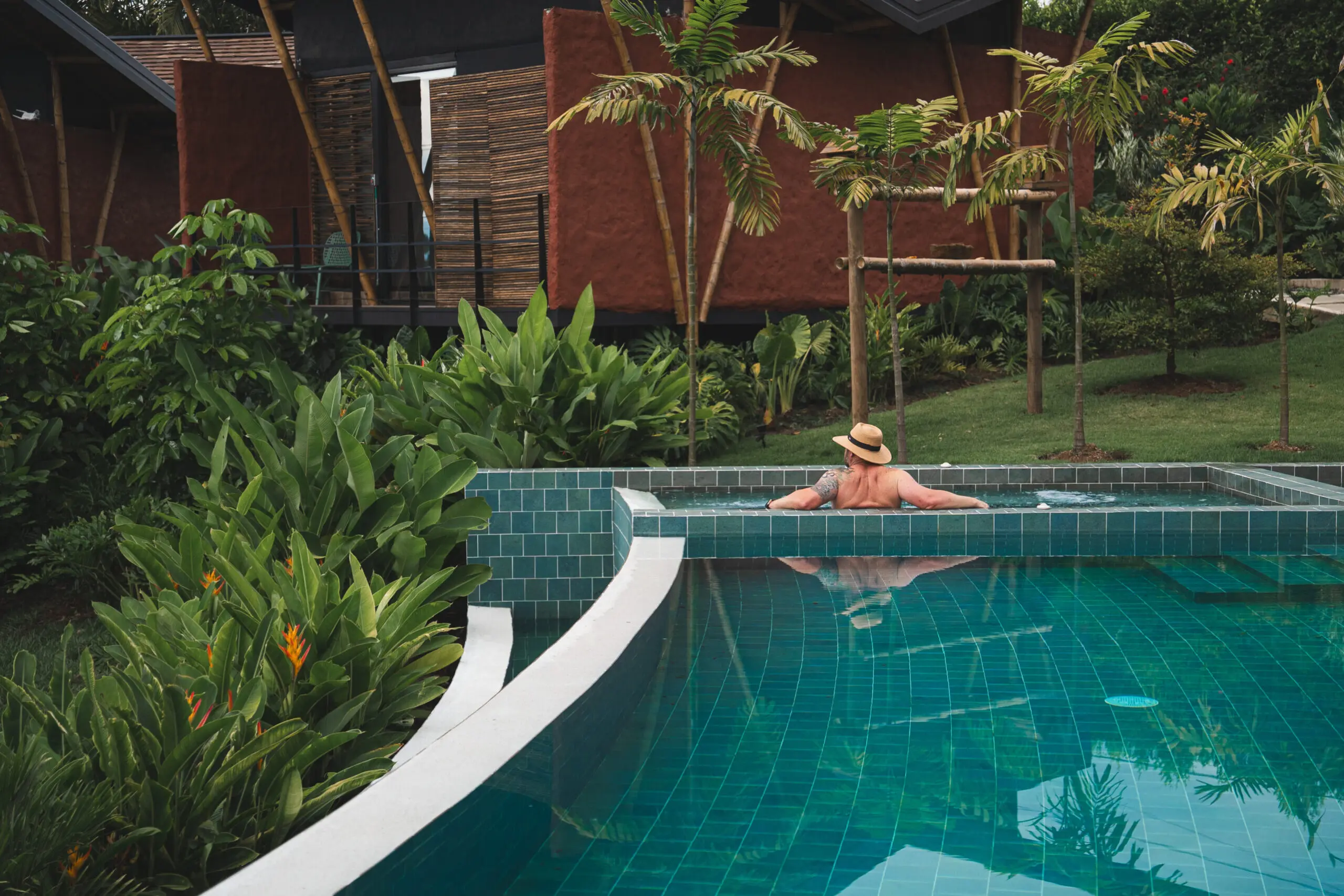

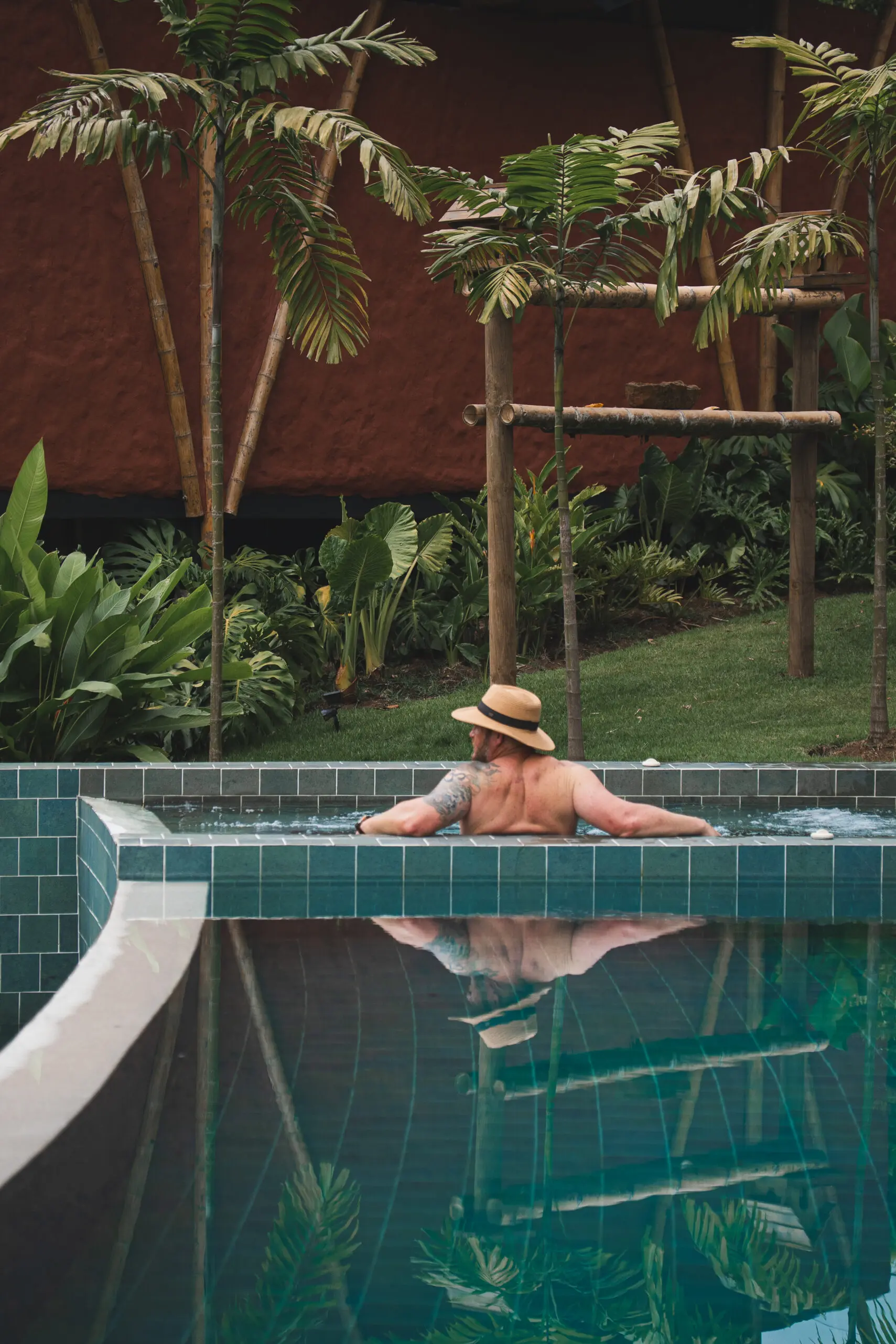
Salento, sushi & the Willys jeep
Shopping in Salento
There are shops along the main drag selling leather goods, jewelry, bags, and craft items – and some of them are genuinely beautiful. Some of them are also made in China. My husband clocked it immediately on a necklace I was about to buy for $60. The good stuff is there too, but it's worth being cynical.Where to have lunch – Maji by Cerán
A sushi restaurant has absolutely no business being this good in a mountain town in the Colombian coffee region.
And yet.
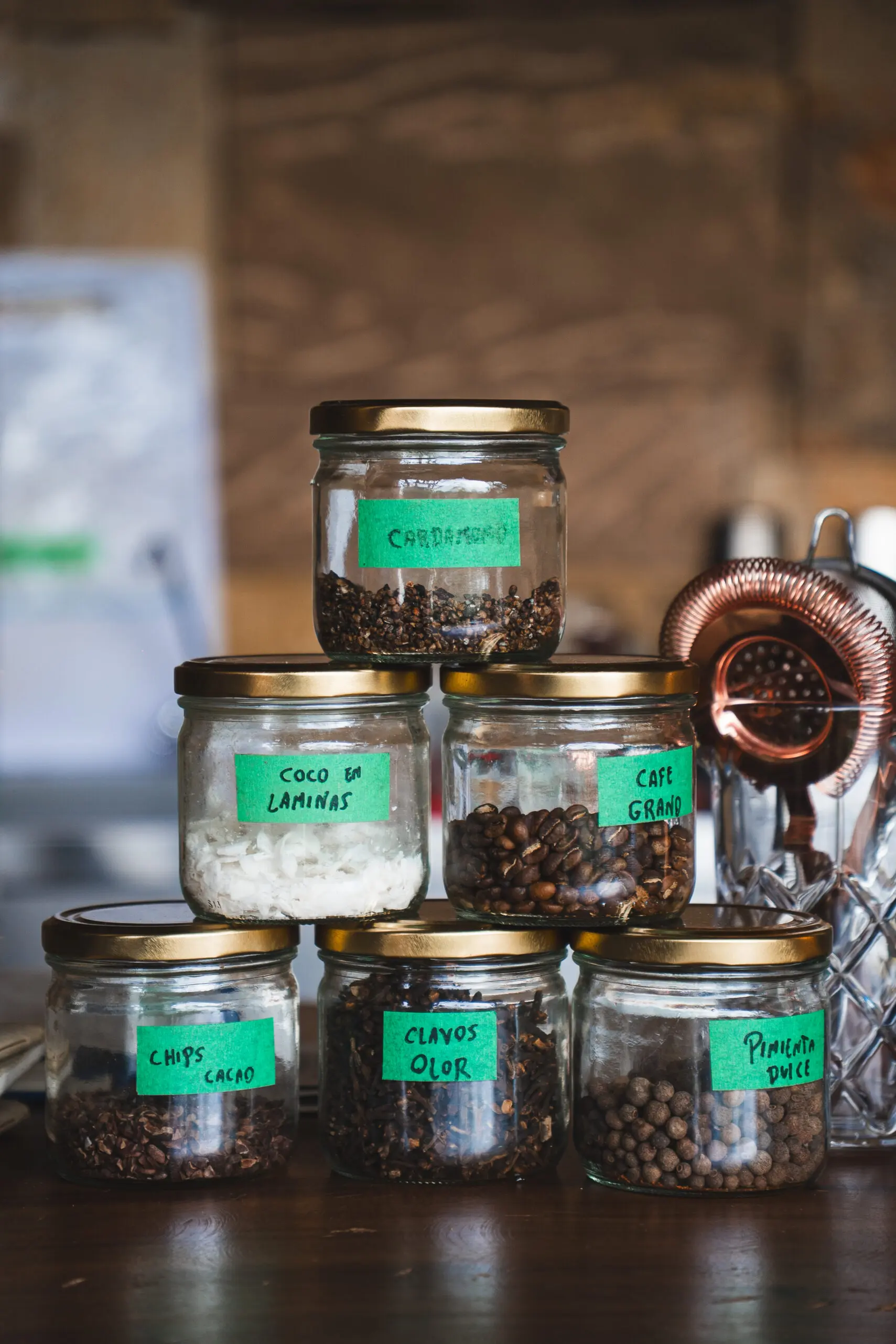
The kitchen at Maji by Cerán is run mostly by women and has a long counter of jars of pickled foods – "fermentos" – good for your health and very interesting in flavor.
The cocktails were on point.
The food was amazing – everything we ordered was a 10.
And it was different from the sushi we eat in the States, because in Colombia, it's always a fusion.
Book a table. Order everything.
Here's what we had:

What we ordered – Maji by Cerán
| Dish | COP | USD |
|---|---|---|
| Margarita de Tamarán (cocktail) | $40,000 | $10 |
| Trapiche Colado (cocktail) | $40,000 | $10 |
| Ceviche de Atún | $63,000 | $16 |
| Tuna Araza | $50,000 | $12.50 |
| Udón de Setas (mushroom udon) | $65,000 | $16 |
| Club Colombia beer x2 | $10,000 | $2.50 |
| Fermentos x2 | $14,000 | $3.50 |
| Adicional de arroz | $6,000 | $1.50 |
| Otros – Fermento | $5,000 | $1.25 |
| TOTAL | $320,100 | $82 |
KAWA Mountain Retreat
After dinner, make your way back to KAWA.
KAWA is the boutique hotel Salento deserves.
Before you check in, understand what you're standing in: the main building is constructed entirely in tapia – a traditional Colombian building method using only clay and earth, no concrete, no cement. It's 1 of the oldest construction techniques in the region, and KAWA uses it deliberately.
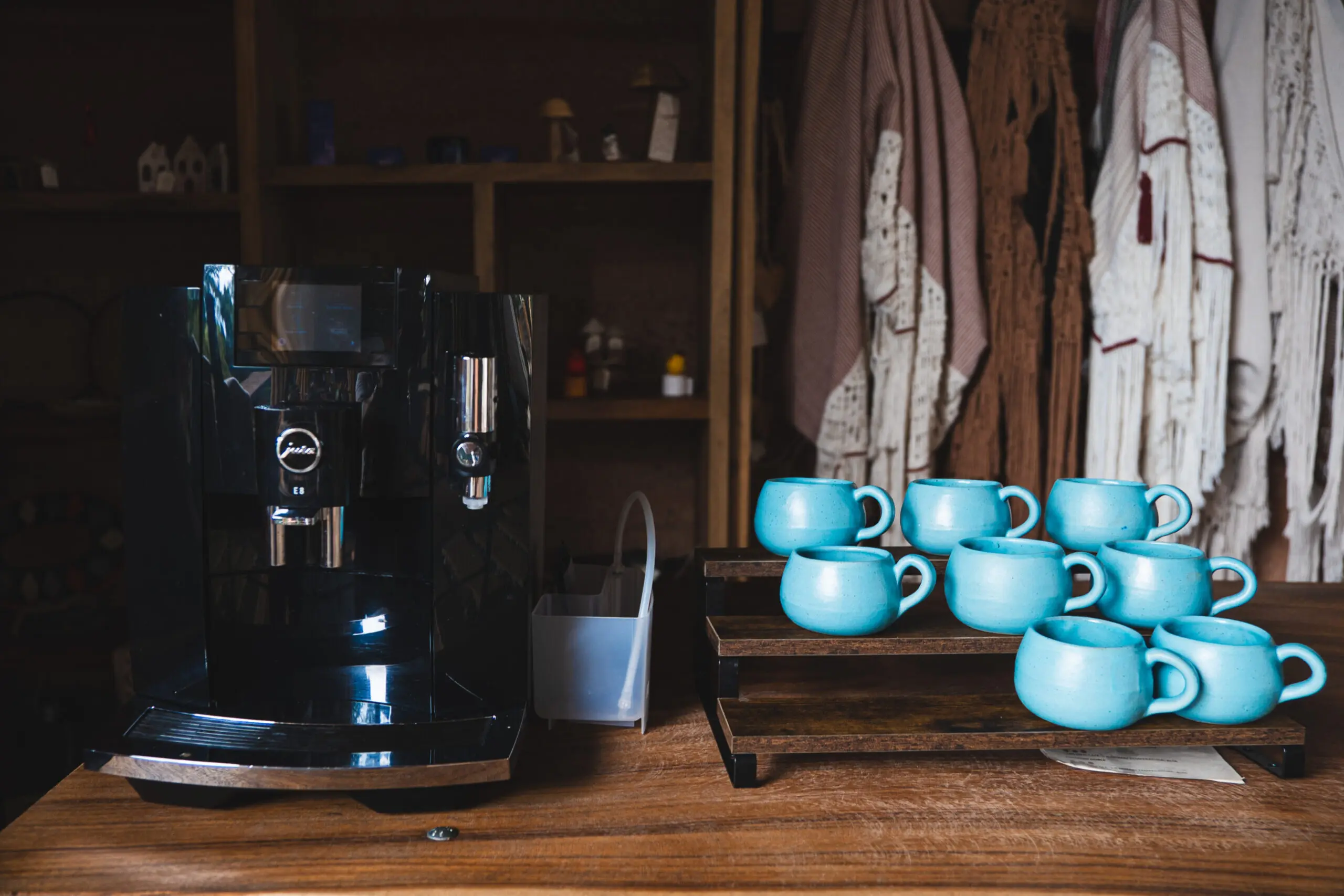
The restaurant, Orocue, leans towards thoughtful vegetarian and very good – they work with lacto-fermented ingredients, house-made sauces, and locally sourced produce.
Breakfast is included and will keep you longer than you planned.
The accommodations are treehouse-style cabins and colorful Colonial House rooms, some with outdoor soaking tubs.
If you did it right, your very cute boutique room has either 1 of these or a free-standing bathtub jacuzzi, a sauna, and a hammock.
This is your time to decompress.
Book 1 experience and don't look at your phone
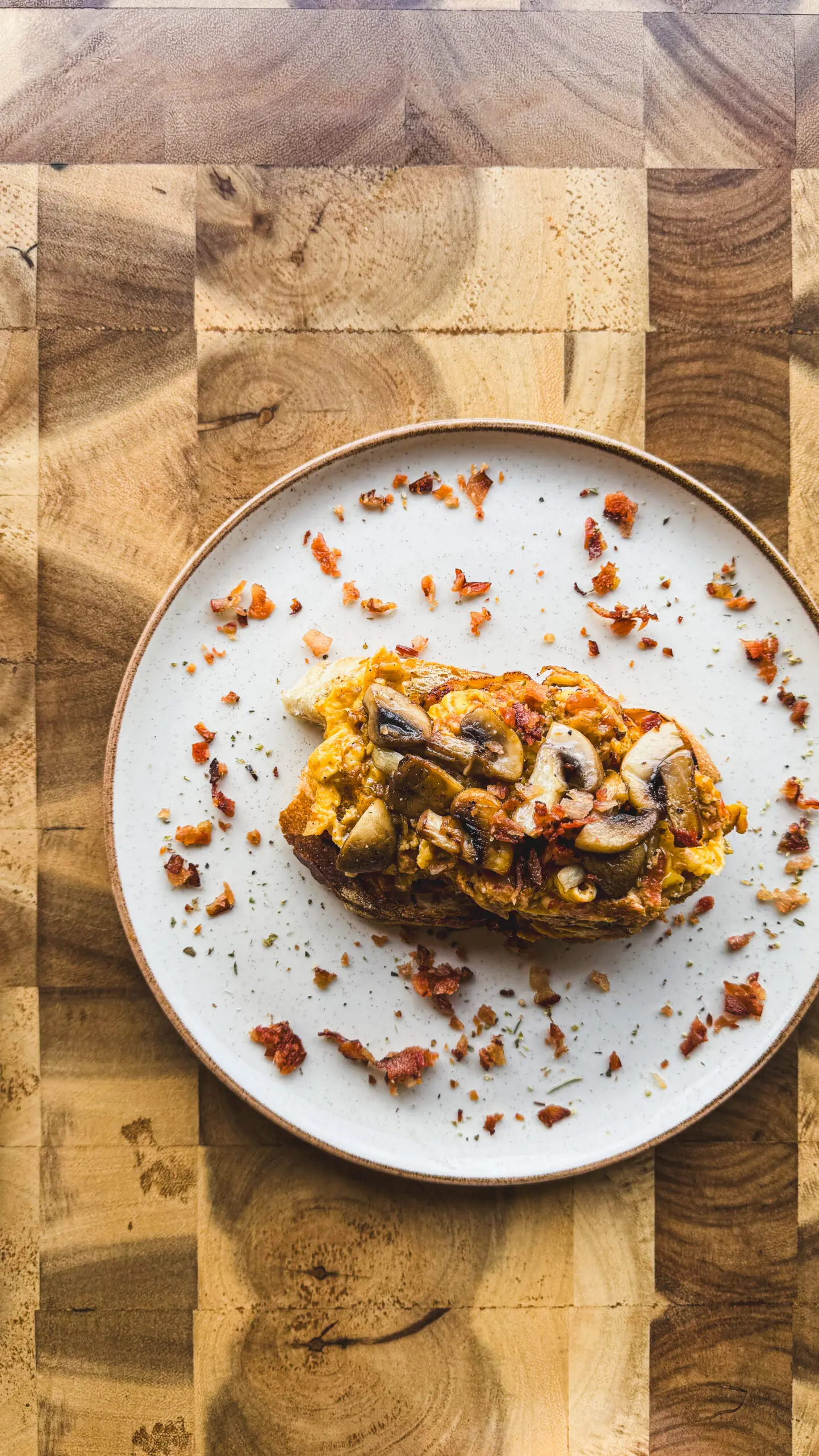
Breakfast is included in your rate and served at Orocue. The 3 options:
- Dulce Pecado (French Toast) – Artisan bread soaked in egg, milk, cinnamon & sugar. With seasonal fruits, toasted nuts, Greek yogurt, lemon zest.
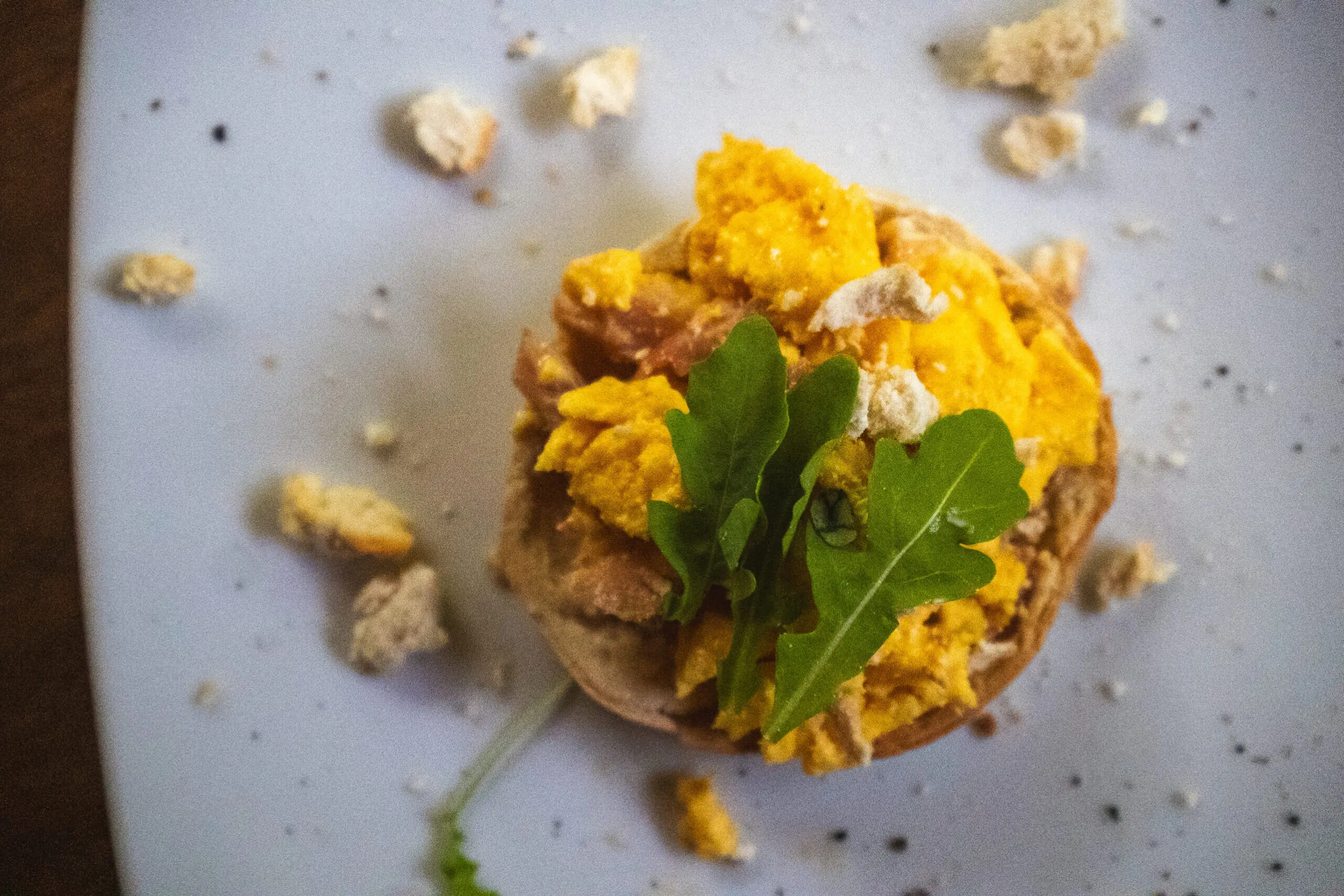
- Yummy Toast – Scrambled eggs, tomato, onion, mushrooms, bacon on sourdough.
- Veggie Toast – Avocado, mushrooms, arugula, spinach, caramelized almonds, cilantro chimichurri on sourdough.

Choose your adventure
KAWA organizes excursions – book one through the hotel when you arrive. Here's how to choose:
- If you want coffee: Immersion in coffee culture and visit to Salento – 6 hours, COP $640,000 (~$160 USD). A working coffee farm, full bean cycle from planting to cup, guided.
- If you want to ride: Horseback riding on a coffee farm, river, and visit to Salento – 6 hours, COP $580,000 (~$145 USD). Through a working farm and along a river.
- If you want the wax palms done properly: Hiking in the Cocora Valley and visit to Salento – 8 hours, COP $690,000 (~$172 USD). KAWA handles all the logistics; you just show up and walk.
- If you want something completely different: Five senses around chocolate and a visit to Filandia – 4 hours, COP $590,000 (~$147 USD). Colombia produces some of the rarest fine aroma cocoa in the world – less than 10% of global production. This tour puts you inside that process, plus Filandia, a colonial town with colorful balconies that most people skip entirely and shouldn't.
Massage & Nuru Bar
Book a massage at the Bamboo Retreat for after the excursion. COP $320,000 (~$82 USD).
You'll want it.
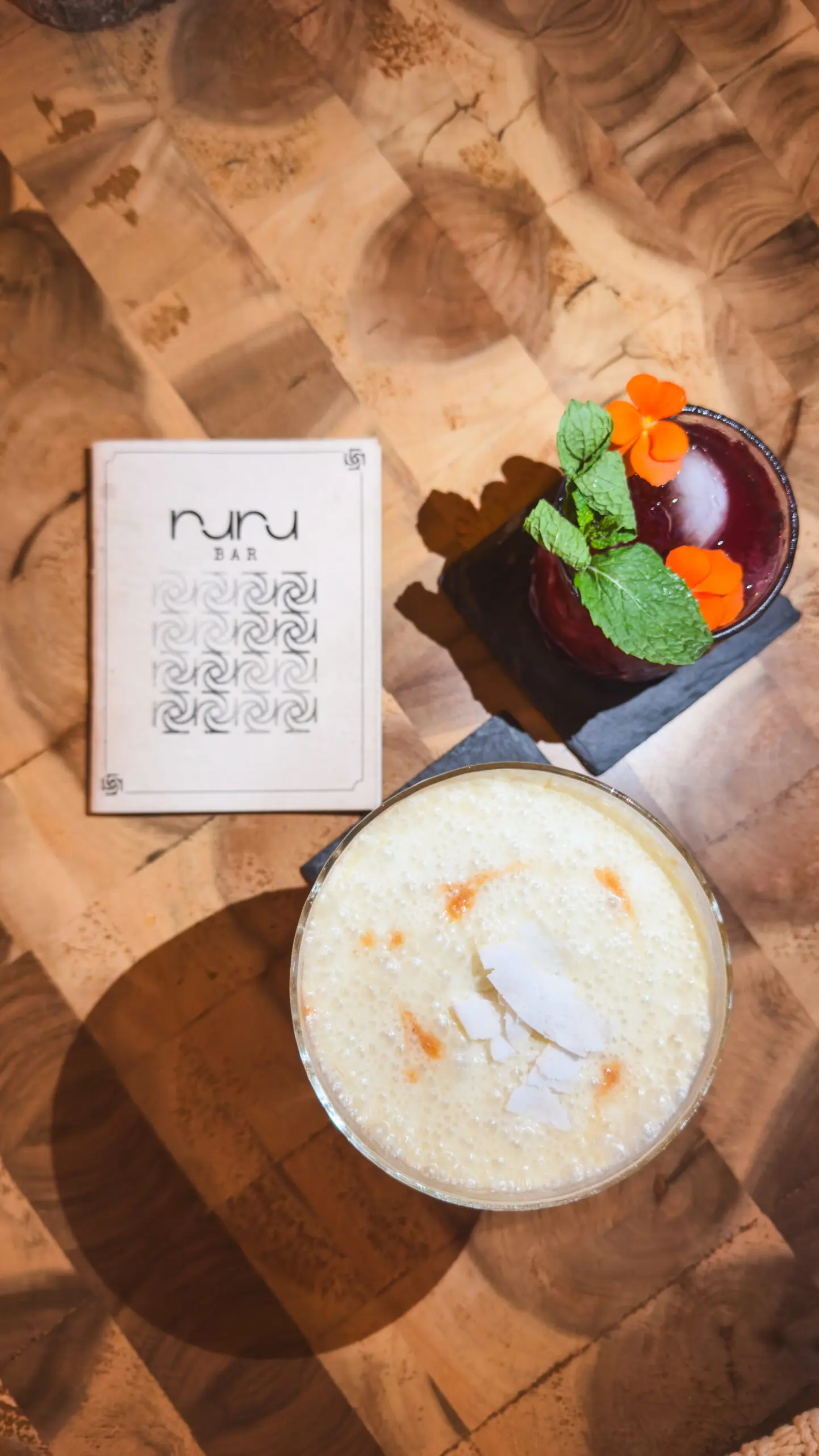
Then go to Nuru Bar.
Bartender Carlos will probably pour you a shot of guardia ferme – the aguardiente amarillo made in Manzanares, Caldas. He'll tell you it's the oldest aguardiente that can be produced in Colombia.
Aged exactly three months – the yellow color is what tells you it's ready.
He'll put it in front of you straight. No mixer. Then hand you a piece of lemon for after.
"Me llama aguardiente pa que arda," Carlos said.
They call it aguardiente so it burns. The lemon cuts the heat at the end.
That's how you drink it.
Dinner at Orocue
Dinner is at Orocue.
The menu was built by head chef Carla, and it reads like a map of Colombia – every single ingredient on every plate traced back to a specific region she traveled to and cooked in.
Executive chef Lady Urbana described it simply: "Estamos comiendo de todo de las partes de Colombia."
We're eating from all parts of Colombia. In one meal.
What that looks like in practice:
Pacific shrimp in a yuca brava sauce from the Amazon – yuca brava is a naturally poisonous root that's processed until it's not, then turned into something sweet, strong, and faintly bitter.
Ceviche Pasián with cidra (a local fruit most people walk past at the market, very good for digestion and hydration) and a tiger's milk made from maracuyá.
Corn tortillas with avocado emulsion, cilantro sprouts, and acedera leaves that taste like lemon.
The philosophy, as Lady Urbana put it: preserve the ancestral, evolve the technique.
The same Colombian flavors you'd recognize from your grandmother's kitchen, plated in a way that makes you forget your phone exists.
Which, at KAWA, is kind of the whole point.
Price Check: Dinner at Orocue came in at COP $475,278 (~$122 USD) including tip for 2.
Quick Facts
- 📍 Location: Vereda Papayal, KM 17 from Villamaría, Caldas (near Manizales)
- 🏨 Where to stay: El Nido del Cóndor
- 🛏️ Room: El Nido room from $477/night · Villa from $1,310/night
- 📅 Best time: Dry season (December–March) – the dirt road is far less dangerous; condors more reliably active
- ⌛ Minimum stay: 2 nights – you need a full day to actually be here
View this post on Instagram
Getting there
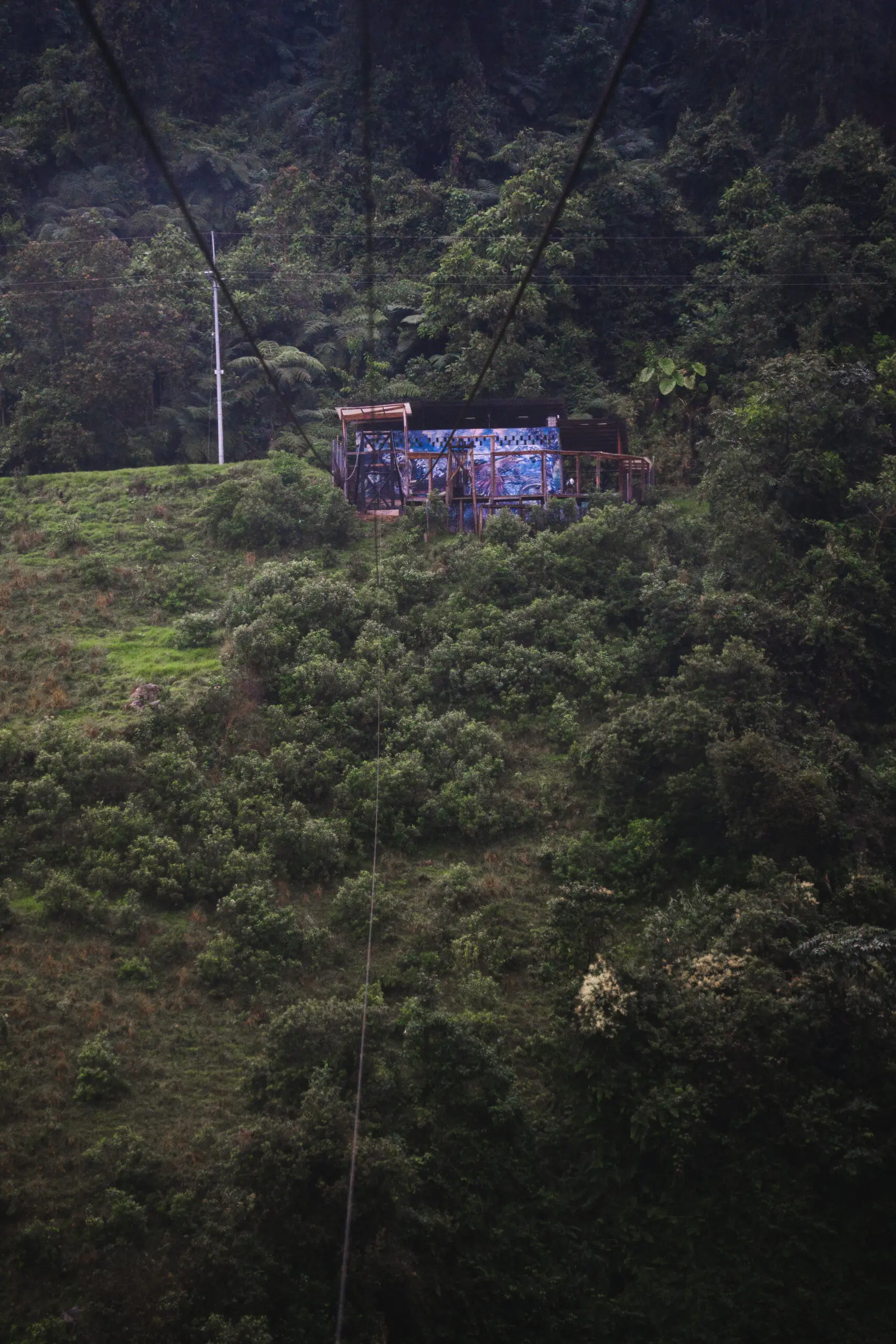
This is the big drive: from Salento, head north through Pereira (about 1 hour), then continue north toward Manizales and take the road toward Villamaría. From Villamaría, follow mountain roads for 17 kilometers – the last stretch is unpaved, steep, and spectacular.
From there: gondola.
The gondola is a small cable car that crosses a valley at roughly 2,000 meters elevation. The crossing takes about 8 minutes.
It is 1 of the more quietly stunning things I've experienced in years of travel – you're suspended over nothing, looking into a valley that seems to go on forever, and it's completely silent except for the wind. Then you arrive.
Allow 2.5–3 hours total. Rent a 4x4 or confirm your transfer vehicle has clearance. After rain, this road is not optional – it is mandatory.


Getting around – Villamaría / El Nido
-
- Gondola – the only way in and out of the property; plan your arrivals/departures accordingly
-
- 4x4 mandatory for the mountain road; do not attempt in a standard vehicle after rain
-
- On-foot for everything once you're on the property – trails, gardens, the breakfast lookout
Things to do – El Nido del Cóndor
-
- The property has 8 hiking trails ranging from easy walks to genuinely challenging routes – go with a bilingual guide the first time.
-
- Horseback riding runs through the surrounding landscape and is good for total beginners.
-
- Mountain biking is available on 2 full-suspension e-bikes if you want to cover more ground faster.
-
- El Nido's Wellness Center is well-stocked and has hydrothermal programs, Finnish ofuros, and individual massage sessions using Eastern and Western techniques.
-
- Night Tour – guides take you into the forest after dark.
-
- Country House Visit – where condors actually nest and perch.
-
- Group tent with private platform – if you're traveling with a group, ask about renting the group tent with the private platform in the back. Best way to experience El Nido collectively.
Where to stay


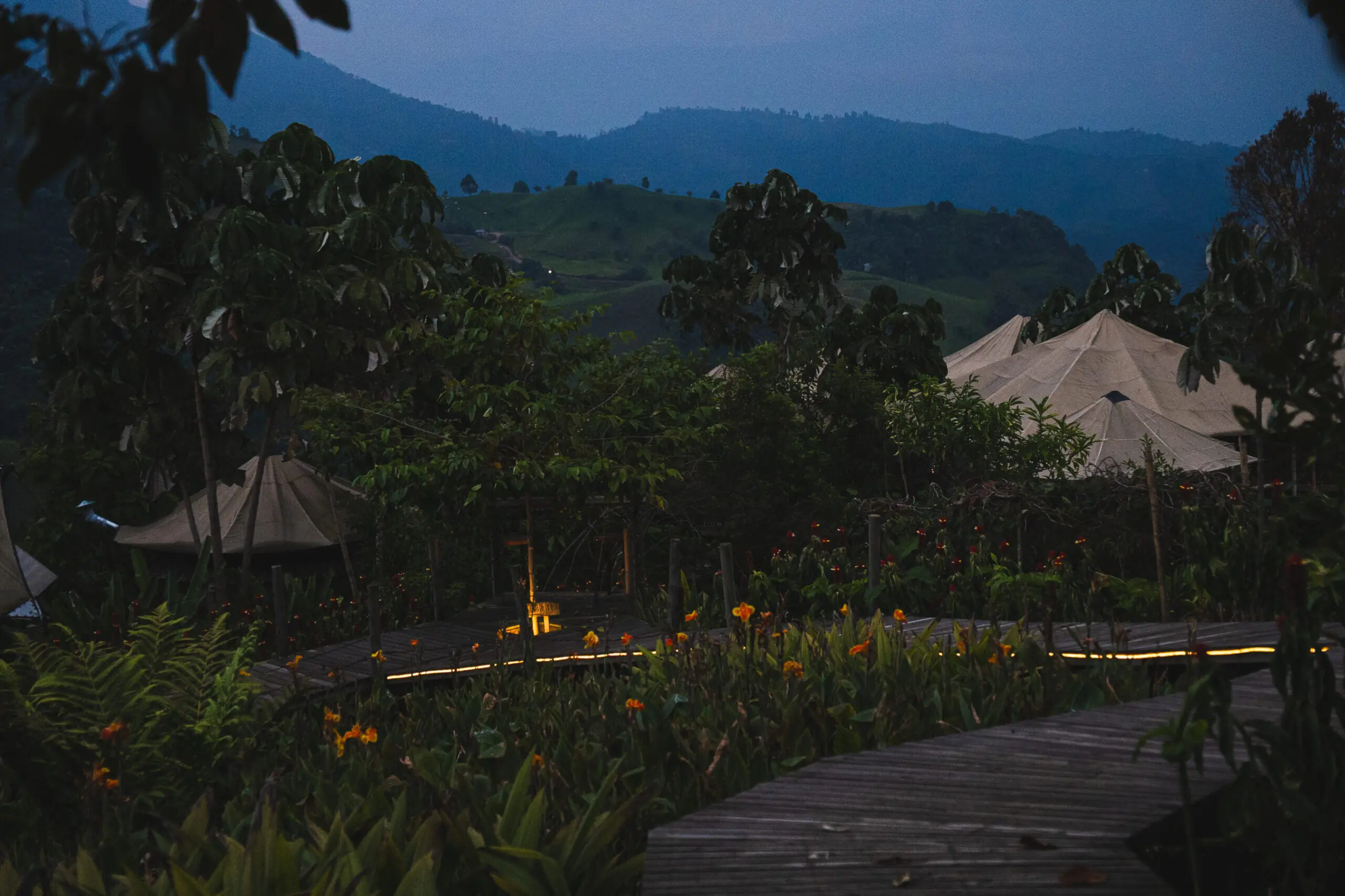
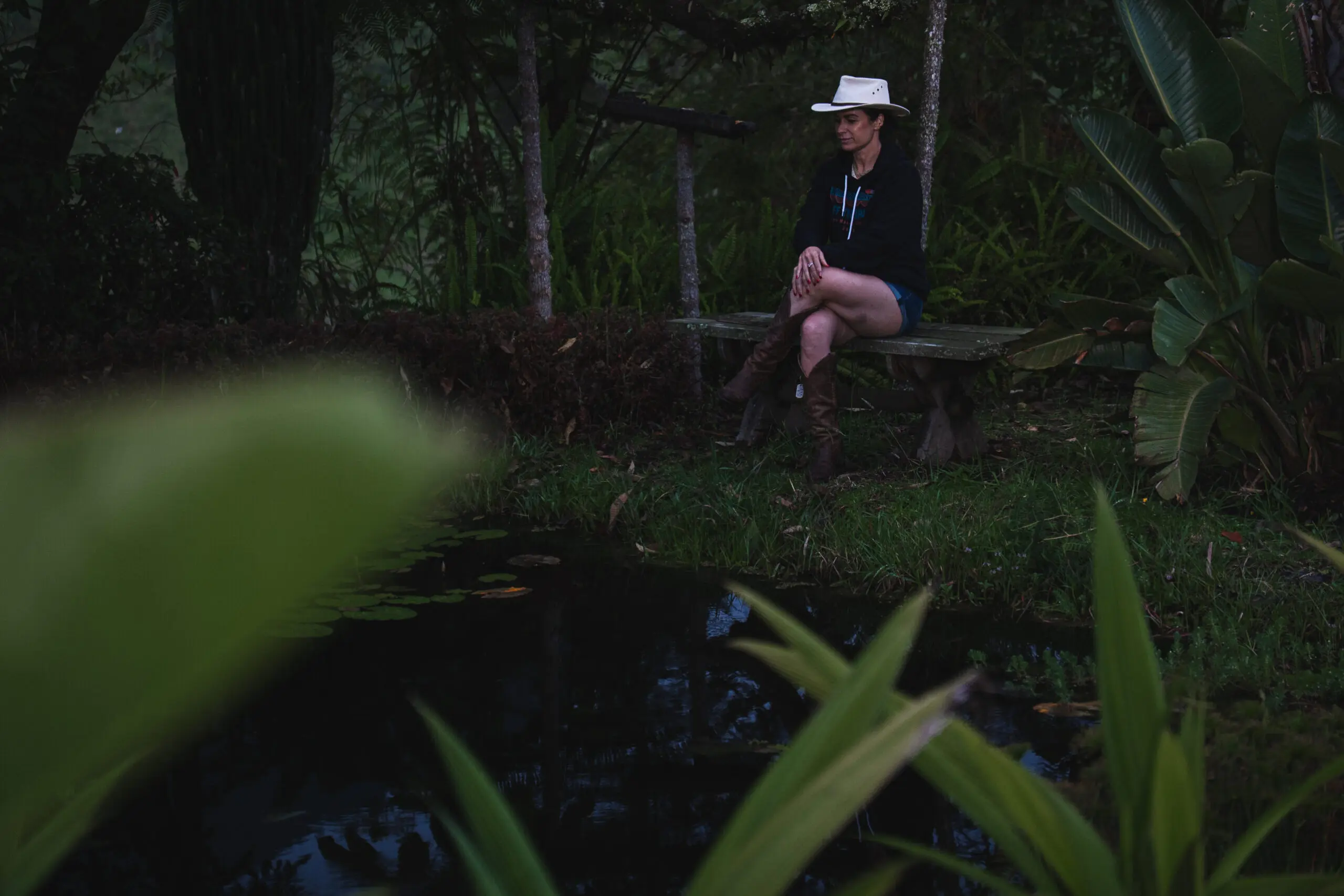
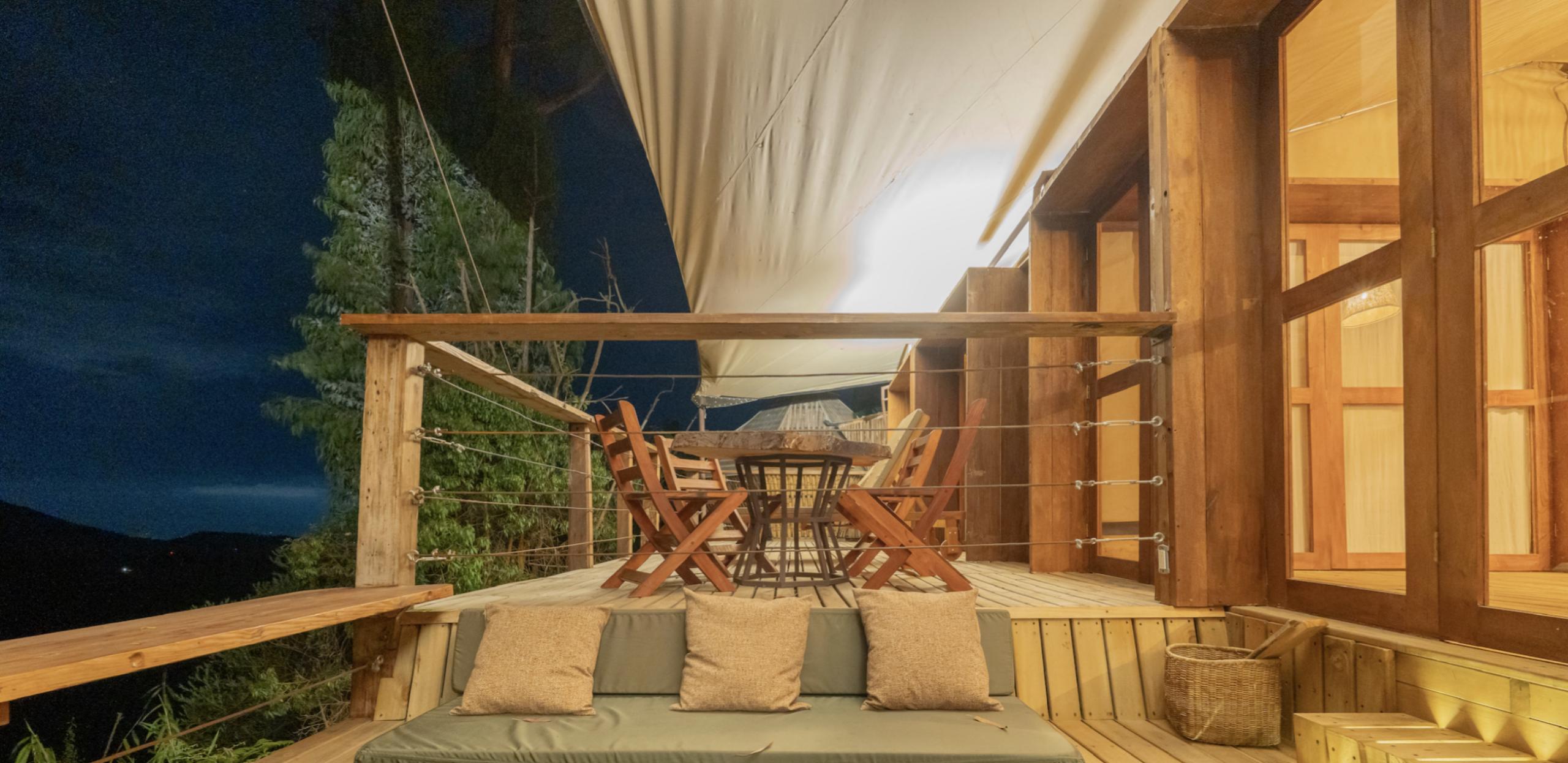
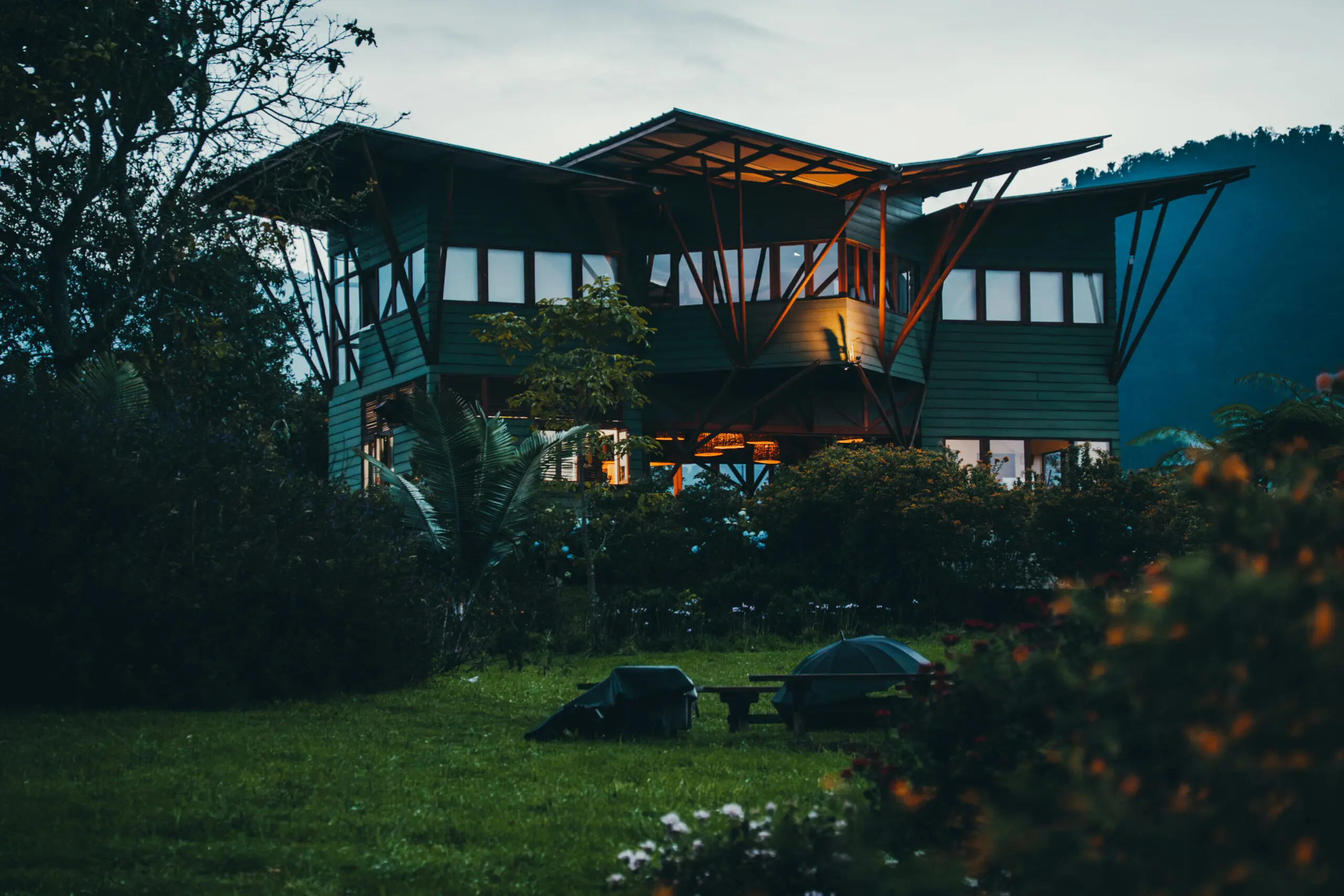


There's a moment after you cross the gondola, walk to your lodge, open the door, and look at the bathroom – and you think: someone designed this with genuine intention.
The owner of El Nido del Cóndor is an architect, and you feel it everywhere.
The structures are organic, the materials are drawn from the landscape, and the whole property has a kind of Indiana Jones meets high-design wilderness camp energy that you can't manufacture.
It's just what happens when someone builds something they actually love.
The Lodge
The accommodations are safari-style – proper glamping at the high end of what that word can mean.
Solid structures, real beds, serious linens.
The bathroom is a thing people talk about: you shower with a direct view of the valley, there are live plants growing inside the bathroom walls, and there is, genuinely, a live tree integrated into the structure.
The soap and shampoo are made on the property from flowers grown in the gardens. I do not know what those flowers are called, but I brought some of the shampoo home.


Meet Chef Judy Martínez
El Nido's kitchen is run by a team that includes Chef Judy Martínez, who grew up watching her father cook – he was a chef too, now passed, and you can tell this is the part of the story that matters most to her.
"My inspiration was my father," she told me. "Since I was very small, I saw him cook, and gastronomy just called to me."
She runs a kitchen built almost entirely around what the property produces (you literally see them picking the produce), and what she can source from the neighbors she actually knows by name.
The Food Philosophy
Everything you eat at El Nido is either grown on the property or sourced from within walking distance.
The on-site garden produces mora (blackberries), strawberries, granadilla, lemons, oranges, lettuces, kale, green and yellow squash, and carrots.
The milk comes from a neighbor named Andrés, whose farm is visible from the property – "right over there on the other side," Judy pointed.
The cheese you'll have at breakfast is made on-site. The Greek yogurt is from the same region. They're also pressing their own avocado oil from the property's trees.
What they don't have: trout.
I assumed, based on the river's visibility from the gondola. When I asked Judy, she laughed: "aquí no tenemos truchas." No trout here.
The rivers are gorgeous. The fish are somewhere else. The menu rotates daily. Let the staff guide you.


The Ceviche de Chicharrón
Order it.
It's different from the chicharrón that you've had because at El Nido we do ceviche de chicharrón that Judy says she developed partly from watching food videos online – "por las redes sociales," she grinned.
Corn, onion, cilantro, and lime with chicharrón (fried pork skin).
It was actually too exotic for me, but I'm not a meat guy so you should give it a try.
Dinner – Restaurante El Nido
The restaurant is the communal heart of the property. The tables are named after local wildlife.Price Check: What we spent: COP $139,852 (~$36 USD) – just drinks. Food was covered.
The Condors
Two Andean condors have lived on this property for a very long time – longer than most of the staff, longer than the lodge itself in its current form.
They are not in a cage, but rather wild birds – enormous, prehistoric-looking, with wingspans over 3 meters – that happen to have made a cave on the side of the mountain of present-day El Nido del Cóndor their home.
Every morning, guests gather on the open lookout terrace with coffee and breakfast and watch the valley below.
The condors come out when they feel like it.
"They don't have a set time," says Judy. "They just come out when they come out. Sometimes at 6:30 in the morning. Sometimes not at all. You never know – we don't have a date with the condors."
When they do appear, they stay in the air for about 8 to 10 minutes, riding thermals.
"They're diving," she said. "Super beautiful. Super large." She spread her arms to show me.
On the morning we were there, they were lazy and didn't come out by the time we left.
So sad, but they're how I'll justify another international trip next year.

Exploring the property
The gardens are worth walking before you leave.
The fruit and flowers used to make your food, soaps and shampoos grow in organized rows that look more like art installations than agriculture.
Getting to Pereira airport
Drive back down the mountain (same 4x4 logic on the way out), back through Villamaría and Manizales, then south to Pereira airport.
Allow about 3 hours total, with the mountain road.
Pereira airport (PEI) has direct flights to Bogotá and Medellín.
When we drove to El Nido, we had a beer in the car.
When the driver picked us up the next day, he had a cooler full of beers in the back. Not a word was said. We simply got in the car and opened one.
This is Colombia, this is why you hire a local driver, and this is the kind of thing that doesn't happen when you rent your own car.
Before you leave the region: stock up at the Almacenes Amoxito in Pereira Cerritos.
They carry Aguardiente Manzana – COP $53,400 (~$13.50 USD) per bottle. Buy 2.
Once people at home taste it, it disappears.
Ready to book your flight?
Eight days, four hotels, and not one we wouldn't go back to tomorrow.
What makes the Eje Cafetero special isn't just the coffee or the wax palms – it's that you can string together four genuinely one-of-a-kind hotels in a single week.
A cloud-forest retreat with a Japanese soaking tub, a sustainability-driven design hotel, a tapia-walled mountain lodge in Salento built without a drop of concrete, and a gondola-access ecolodge where wild condors ride the thermals over your breakfast.
You will not find that combination anywhere else.
It was, start to finish, a seriously luxurious trip – the kind where every property felt designed, not just booked.
Here's exactly what we spent for two people – hotels, food, and every excursion, below. It doesn't include flights; we booked those on points.
And honestly? Worth every peso.
Total spend
What 2 people spent across 8 days in the Eje Cafetero
| Item | COP | USD |
|---|---|---|
| 🏨 Hotels | ||
| Sazagua Cocora — 1 night (Premium Suite) | COP 1,048,500 | $262 |
| Bio Habitat — night 1 (Aviaries Master) | COP 1,166,100 | $299 |
| Bio Habitat — night 2 (Grand Master Suite) | COP 1,673,100 | $429 |
| KAWA Mountain Retreat — 1 night | COP 544,456 | $136 |
| El Nido del Cóndor — 1 night (Nido, food included) | COP 1,750,000 | $449 |
| Subtotal | COP 6,182,156 | $1,575 |
| 🍴 Food & drink | ||
| Restaurante Cocora — dinner | COP 178,090 | $45 |
| Restaurante Cocora — lunch | COP 131,561 | $33 |
| Sazagua — bar (cocktails & wine) | COP 334,333 | $86 |
| Bio Habitat — minibar | COP 288,000 | $74 |
| Maji by Cerán — lunch | COP 320,100 | $82 |
| Orocue (KAWA) — dinner | COP 475,278 | $122 |
| El Nido — drinks | COP 139,852 | $36 |
| Other food | ~COP 1,170,000 | ~$300 |
| Subtotal | COP 3,037,214 | $778 |
| 🐎 Activities | ||
| Cocora horseback riding (2 people) | COP 440,000 | $113 |
| Spa & wellness — Bio Habitat | COP 639,600 | $164 |
| Subtotal | COP 1,079,600 | $277 |
| 🚙 Transport | ||
| Pereira airport → Sazagua (Uber) | COP 31,000 | $8 |
| Sazagua → Bio Habitat | COP 62,000 | $16 |
| Bio Habitat → KAWA | COP 70,000 | $18 |
| KAWA → El Nido (private transfer) | COP 300,000 | $77 |
| El Nido → Pereira airport (private transfer) | COP 276,900 | $71 |
| Willys jeep — Cocora (round trip) | COP 10,000 | $3 |
| Subtotal | COP 749,900 | $193 |
| 🛍️ Shopping | ||
| Éxito supermarket — supplies & spirits | COP 484,590 | $124 |
| Handmade purse (mirador) | COP 78,000 | $20 |
| Subtotal | COP 562,590 | $144 |
| TOTAL (excludes international flights) | COP 11,611,460 | $2,967 |
More for your Colombia trip

21 coolest things to do in Medellín
Neighborhoods, food, day trips, and the spots actually worth your time in Colombia's most surprising city.
Read the guide →
24 best hotels in Colombia
From Cartagena to Medellín to the coffee region — the 24 best hotels in Colombia, with real prices and who each one is for.
Read the guide →
11 best restaurants in Cartagena
The most beautiful places to eat in Cartagena's walled city — and exactly what each one costs.
Read the guide →As always, if you have any questions or want specific recommendations leave them in the comments and I’ll respond.
If you want to message me privately, I’ll respond on Instagram @The.HauteBohemian
This blog may contain affiliate links. If you make a purchase through these links, I may earn a commission at no additional cost to you. This helps support the blog and allows me to continue creating content. Read my full disclosure for more info and thank you for your support.
0 Comments