

Know before you go
What travellers need to know before they go to Colombia
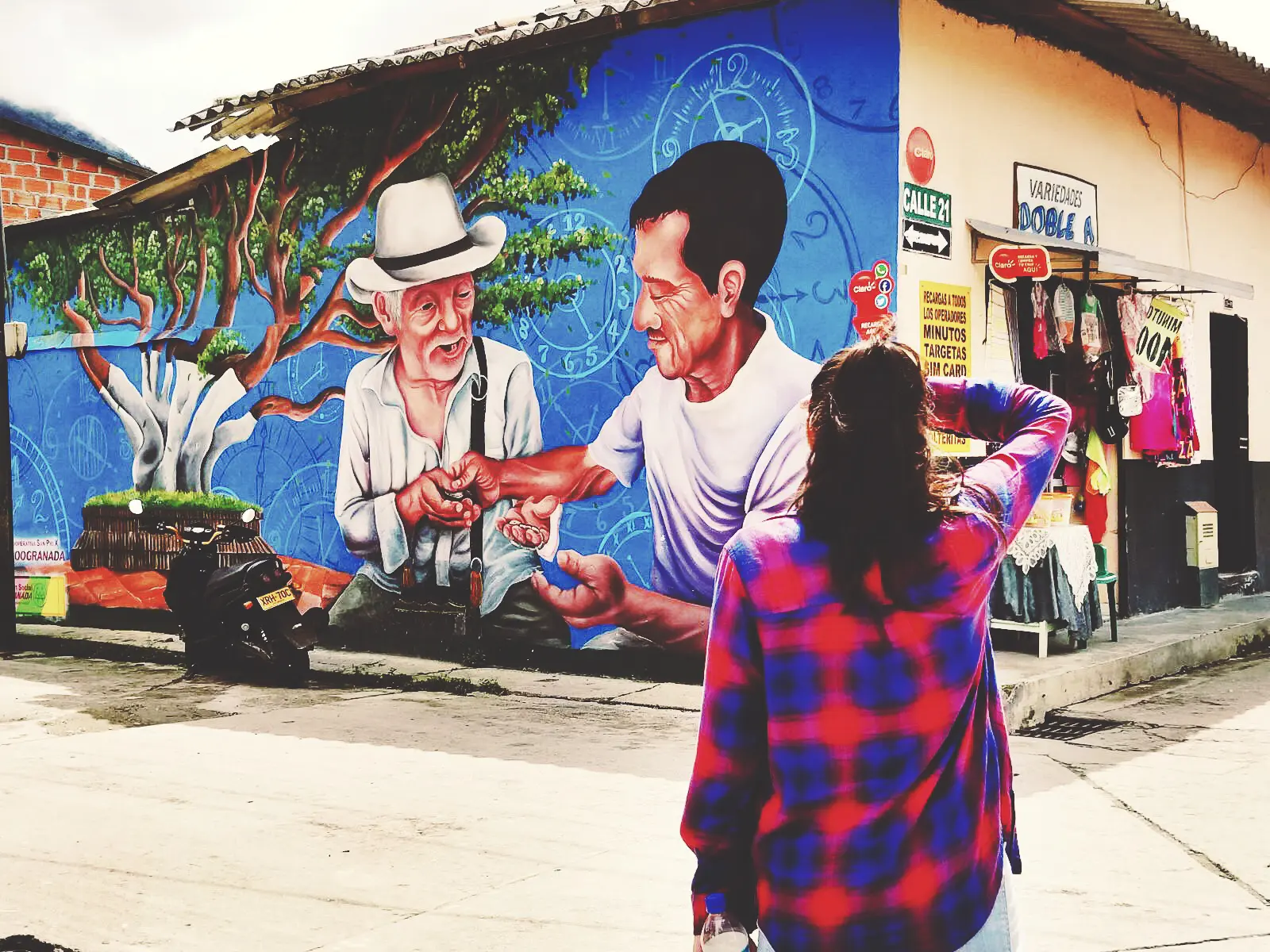
Colombia has been having a real moment, and it is easy to see why. The country welcomed over 6.9 million international visitors in 2024, its best year on record.
The World Bank describes it as one of the world’s five megadiverse nations and ranks it third in biodiversity. That combination of momentum and natural richness is exactly why I like Colombia so much.
It feels alive, layered, and a little unpredictable in the best way. The catch is that Colombia rewards travelers who prepare with a bit of care before they land.
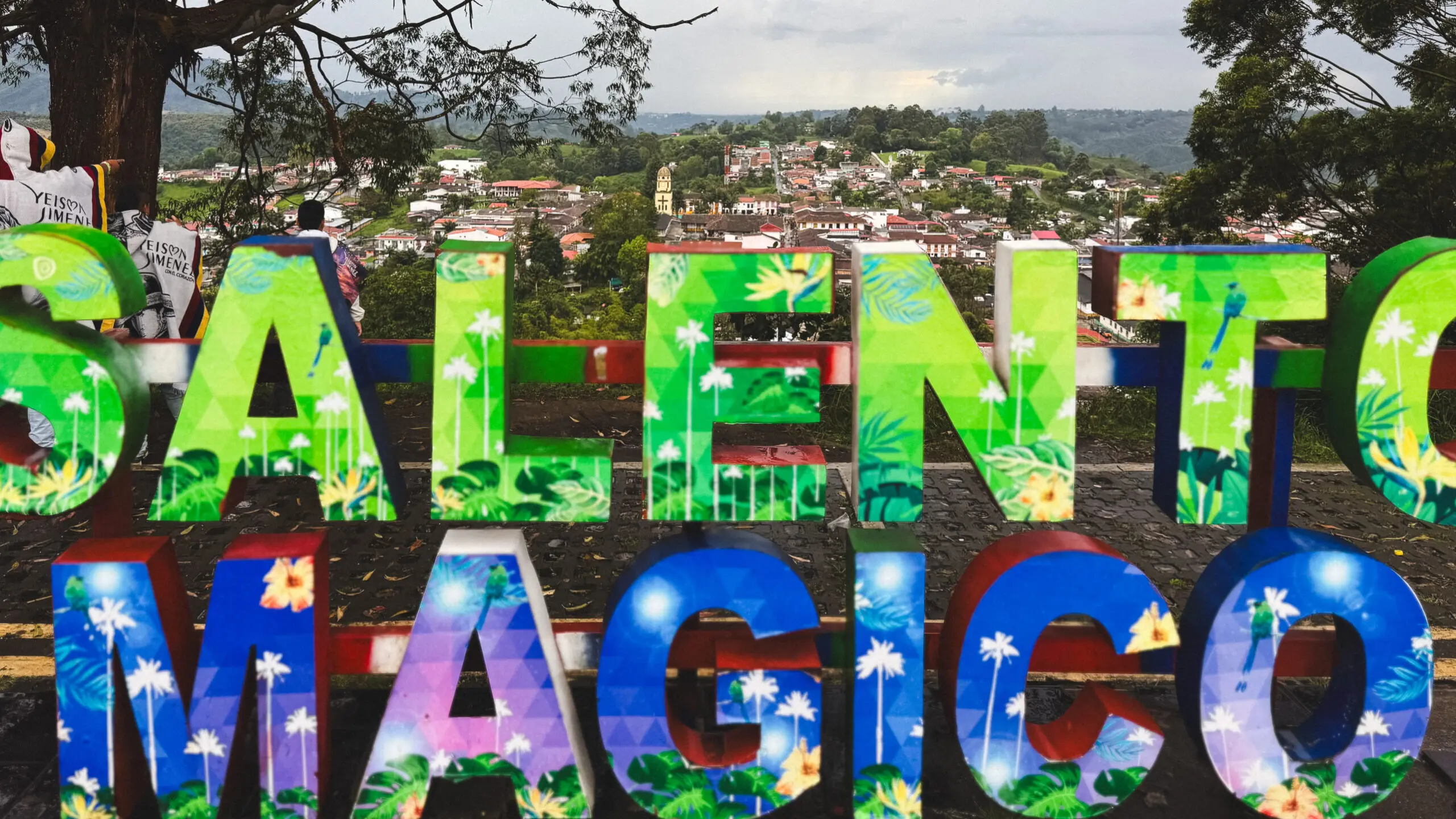
The first thing I do with Colombia is sort out the paperwork. The rules depend on your passport, and the foreign ministry says 102 nationalities and territories are exempt from the Visitor visa for short stays of under 90 days.
If you do need a visa, you need a valid passport with at least two blank pages, recent photos, and proof that you can financially support your stay. On top of that, the U.S. Embassy says travelers should complete the free Check-Mig form between 1 and 72 hours before the flight.
On the other hand, the UK government states it can be completed from 72 hours to one hour before travel. Colombia may also deny entry without a return ticket.
What I also like to do before I leave home is get an eSIM for Colombia ready, because arrival days feel much calmer when your phone already has data. That habit becomes even more useful once you move away from the main tourist corridors. The World Bank notes that the lowest internet connectivity in Colombia occurs in the Amazon, Orinoquía, and Pacific regions, so having your connection set before landing saves a lot of friction.

This is the part many travelers try to flatten into one simple answer, and that approach misses the point. Colombia’s risk picture changes sharply by region.
The U.S. State Department currently lists Colombia at Level 3, Reconsider Travel, citing crime, terrorism, unrest, kidnapping, and natural disasters, and it specifically says some areas carry increased risk.
The UK’s FCDO goes even further in parts of the country and advises against all but essential travel to several border and Pacific areas, including stretches near Venezuela and Ecuador, plus places like Jamundí in Valle del Cauca.
That does not erase the value of Colombia as a destination, but it does mean a traveler should read the map before choosing the route.
Read our Colombia safety article for more information.
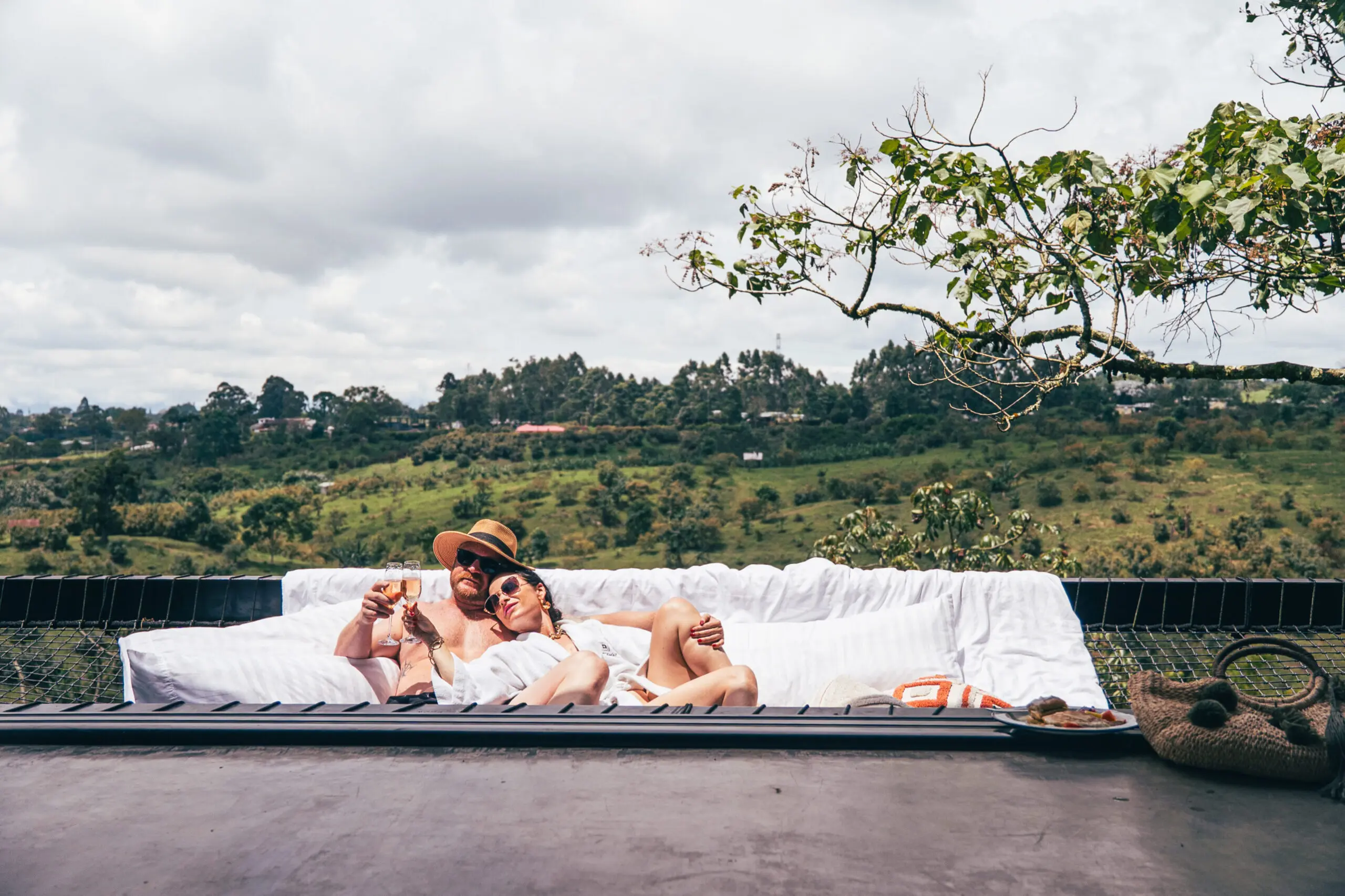
Colombia is one of those places where a little health planning pays off fast.
According to CDC, there has been an increased number of yellow fever cases in Colombia. It recommends yellow fever vaccination for travel to areas with endemic or transitional risk, with the vaccine given at least 10 days before departure.
The CDC also flags mosquito-borne diseases such as malaria, dengue, Zika, and chikungunya, which makes bite prevention part of the trip rather than a side note.
I also pay attention to weather-related conditions because the World Bank observes that 84 percent of Colombia’s population and 86 percent of its assets are in areas exposed to climate risks such as flooding, landslides, and drought. That matters when you are heading into mountain roads, river routes, or rainforest areas.
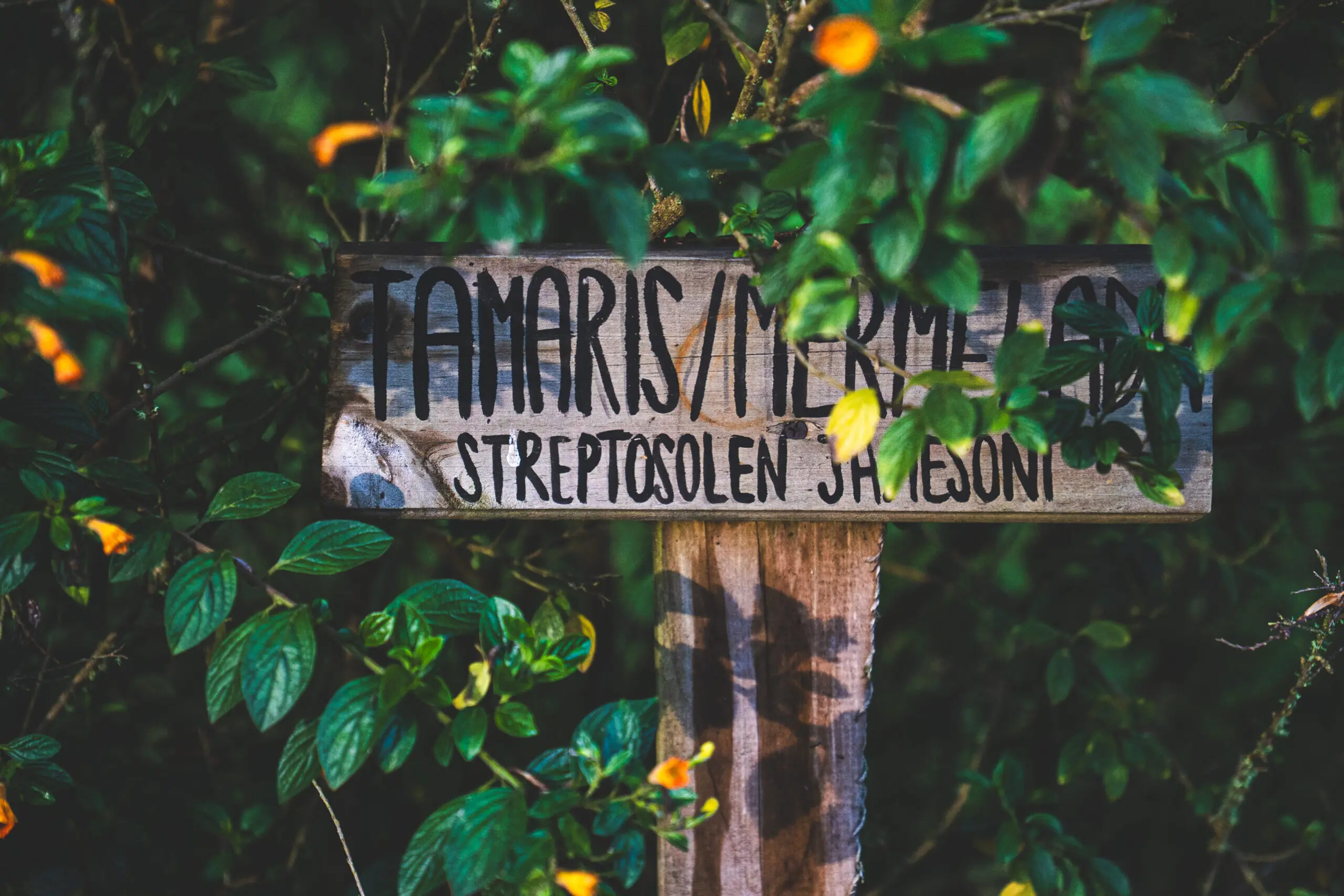
One of the reasons I keep going back to Colombia is that the country gives you a lot without forcing you to stay in one lane.
As mentioned earlier, Colombia is ranked third globally in biodiversity and holds almost 15 percent of all known terrestrial species. The country recorded 1,560 bird species during Global Big Day 2025, reinforcing its reputation as a top birding destination. That is why I think Colombia works best when you give yourself room to move slowly. If you try to compress too much into a short trip, you end up missing the texture that makes the country memorable in the first place.

There is also the small but important stuff that gets ignored until it becomes annoying. The UK’s entry guidance states that travelers can bring up to the equivalent of USD 10,000 into Colombia, but anything above that has to be declared to the customs authority, DIAN. The same guidance also reminds travelers to get the passport stamped if entering by land, sea, or river, since a missing stamp can cause trouble on departure.
Keep exploring

Medellín → Tayrona → Cartagena. No filler, no regrets — just the best of Colombia in 10 days flat.
Read more →
Soccer games, paragliding, tejo with explosives, and the most transformative city in South America.
Read more →
The honest answer, by region — plus what actually happened when I went back for my wedding.
Read more →