

Colombia's top adventures, all in one guide
The 33 best things to do in Colombia (2026)
It’s true, I’ve experienced this firsthand, when I went to Colombia on what was supposed to be a 4-week trip and I stayed 3 years. There are

Colombia has literally everything, in all environments from Caribbean beaches to Andes mountains to bustling cities to Amazonian jungles. It’s the second-most biodiverse country in the world, behind only Brazil, which means that every corner you visit has its own rhythm, flavors, and environments.
There’s so much to do here that people actually get overwhelmed when deciding what to see in Colombia. Don’t worry, we’ve got you with this extensive list of unique experiences in Colombia.
If you’re feeling adventurous, Colombia has your bag.
For activities specifically in Medelln, see this article. In this guide, we’ll uncover the best things to do in Colombia, so you know exactly what to add to your itinerary – and the best hotels in Colombia to know where you’ll stay.
What are the best things to do in Colombia in 2026?


The Rosario Islands (Islas del Rosario) are a small archipelago of 27 islands located about 60 miles / 100 km southwest of Cartagena. It’s one of the best places to visit in Colombia and one of the most popular day trips from Cartagena.
They were designated a protected area in the 1980s to conserve the Rosario and San Bernardo Corals National Park reef ecosystem – one of the most important in the Colombian Caribbean. And it’s a must-do trip if you’re in the area.
The islands range from larger inhabited islands with hotels and beach clubs, to tiny private islets with just one house on them. Many are privately owned – these are the mansions and luxury villas you see when you’re boating by – but others are open to day-trippers like you!
The islands
- There are publicly-accessible islands with beaches that you can visit, like Isla Grande, the largest and most accessible, where you’ll find eco-hotels, hostels, and beach clubs. These beaches are popular for snorkeling, kayaking, and ‘beaching’ (what I call sitting on a beach doing nothing).
- Some of the private islands & resorts have exclusive beach clubs or boutique hotels. You can pay for a day pass to these, which can come in a package, like an all-inclusive day pass including transport, lunch, and access to loungers, or you can stay overnight if it’s also a hotel.
- A few of the islands are actually uninhabited, home to local fishing communities, or just private homes – such as Isleta and Isla del Pirata.


How to do the Rosario Islands
- Organized day trips from Cartagena: Most people go by an organized speedboat from Cartagena’s Muelle de la Bodeguita port. It takes 45 minutes to an hour to get out there, and tickets are usually sold as packages (transportation + beach club access + lunch). There are usually 20-40 other people on these excursions.
- Private boat rentals: You can charter a yacht or speedboat for the day, which is the best way, since you can hop between islands and avoid the crowds and the lag time of waiting for the group. It’s obviously more expensive if you’re just a few people but popular for groups who can share the expense. For the full price breakdown and how to rent a private yacht, see this guide.
- Overnight stays: Eco-hotels, boutique resorts, and hostels exist on Isla Grande and a few other islands, letting you enjoy the area after the day-trippers leave. Check out the 3 best hotels in Bar and the Rosario Islands.
- Activities: Snorkeling coral reefs, kayaking through mangroves, visiting the Oceanario (aquarium) on Isla de Pajarales, or just spending the day at a beach club.
When planning your trip be prepared to let the weather dictate it. Boats will cancel if there’s rain or the sea is too rough. And you wouldn’t want to be out if that was the case, anyway. The seas can be rough in the afternoon, so most tours return to Cartagena around 3 pm. Last time I went our group of 40 completely missed the only place I really wanted to go because the seas got rough around 2:00, so the captain just said, no we have to go back. I was sad.
When I go in February I’m going to stay overnight – I heard the islands are magical once the boats leave.
How to get to the Rosario Islands
- By Plane: Fly into Rafael Nez International Airport (CTG) in Cartagena, then transfer to the docks.
- Public: Shared boats depart daily from Cartagena’s Muelle de la Bodeguita (45–60 minutes).
sky-high views for a subway fare

Medelln’s cable cars aren’t just a tourist attraction – they’re a symbol of the city’s transformation.
Still famous for its 1990s violence, Medelln reinvented itself with innovative urban projects – one of which is essentially a series of gondolas that connects the hillside barrios to the city center. This Metrocable system is fully integrated into the metro transit system, and for the price of a metro ticket (~ $1 USD), you can commute above the city.
The ride itself is pretty awesome. You’ll have a front-row seat to see the Aburr Valley below – a glimpse at how people live in the poorer areas of Medelln. At the same time, these cable cars are so modern and clean, it makes you realize what a grift the American transportation system is.


How to do Medellns Cable Cars
- Buy a metro ticket (~$1 USD) and ride the Metrocable lines above the city.
- Go mid-morning for the clearest views.
- For a longer ride, connect to Parque Arv.
How to get to Medelln’s Cable Cars
- By Plane: Fly into Jos Mara Crdova International Airport (MDE) or Olaya Herrera Airport (EOH).
- Public: Board the Medelln Metro and transfer to the Metrocable at Acevedo (Line K) or San Javier (Line J). Continue onto Line L if you’re heading to Parque Arv.
- By Car: Taxis or Uber can drop you at metro transfer stations or directly at cable car base stations.
to escape Medellín without leaving it

The journey is half the fun to get to Parque Arv– board the city’s Metrocable and ride it all the way up into the mountains, from urban sprawl to endless green forest. The last stretch is spectacular – gliding over thick tree canopies before arriving at the park entrance – a sprawling ecological nature reserve that feels like a different world entirely.
The park covers more than 16,000 hectares of forest, streams, and trails. It’s a weekend escape for locals, and high on the hit list for tourists.
There’s also a lively farmers’ market at the entrance where vendors sell everything from arepas de choclo to local honey and handicrafts. Once you’re inside, there are well-marked paths for hiking, pre-Hispanic archaeological sites for exploring, and you can pass half a day just wandering through the pine and eucalyptus groves.
The park is designed for relaxation and eco-tourism, so expect picnic areas, guided nature walks, and birdwatching opportunities rather than adrenaline sports. It’s an easy, refreshing day trip from Medelln – and the cable car ride alone is worth it.


How to do Parque Arv
- Plan 3–5 hours: browse the weekend farmers’ market, hike marked forest trails, or book a guided nature walk.
- Pack layers for the cooler mountain air.
How to get to Parque Arv
- By Plane: Fly into Jos Mara Crdova International Airport (MDE) or Olaya Herrera Airport (EOH).
- Public: Metro to Acevedo Line K Santo Domingo Line L directly to the park entrance.
- By Car: Drive or taxi up via Santa Elena (45–70 minutes from El Poblado)
for the caffeine pilgrim’s soul

If Pablo Escobar had been Peruvian, then Colombia would be famous for its coffee instead of its narcotraffickers. Colombian coffee is considered some of the smoothest and most balanced in the world – and the best way to experience this rich, caffeinated drink is to head right to the source in Zona Cafetera, also known as the Coffee Triangle.
This region covers departments (states) Caldas, Quindío, and Risaralda, and is a patchwork of rolling green hills, misty mountains, and traditional coffee farms where beans are grown, harvested, and roasted.
Towns like Salento, Manizales, and Armenia serve as gateways to this coffee paradise, where you can tour a finca, walk among the coffee plants, and learn every step of the process.
The Zona Cafetera is also home to the Valle de Cocora, where the iconic wax palms – Colombia’s national tree – rise up to 60 meters into the sky, creating one of the country’s most photogenic hikes.
My favorite thing about Eje Cafetero, though – is the hotels. Check out these incredibly luxurious and unique hotels in the region.


How to do the Zona Cafetera
- Base yourself in Salento, Manizales, or Armenia and combine a finca tour with a Cocora Valley and Salento hike.
- Tour a working coffee farm (finca) to see cultivation, roasting, and tasting.
How to get to the Zona Cafetera
- By Plane: Fly into El Edn International Airport (AXM) in Armenia, Mateca a International Airport (PEI) in Pereira, or La Nubia Airport (MZL) in Manizales.
- Public: Buses connect major cities to Salento, Manizales, and Armenia, with local jeeps (Willys) to fincas.
- By Car: Drive 5–7 hours from Bogotor Medelln; roads are winding but scenic.
chill waves, hammocks, barefoot nights

Just two hours east of Santa Marta, Palomino has become one of Colombia’s favorite surf and backpacker beaches.
The surf scene is relaxed–perfect for beginners and intermediates, with long, gentle waves and plenty of local surf schools offering surfing lessons and rentals right on the sand.
Beyond surfing, Palomino is known for its laid-back vibe: expect hammocks, beach bars, and evenings barefoot in the sand.
Don’t skip tubing down the Palomino River, where you float from the jungle straight into the sea. It’s one of those quintessential Colombian coastal experiences.


How to surf in Palomino
- Rent a board or book a surf lesson directly from the beach.
- Conditions are best in the early morning.
- If you’re not surfing, spend the day tubing down the river and relaxing in the beachfront hostels and cafs.
How to get to Palomino
- By Plane: Fly into Simn Bolvar International Airport (SMR) in Santa Marta, then continue by road.
- Public: Buses run regularly along the coastal highway from Santa Marta to Palomino (about 2 hours).
- By Car: Drive east along the coastal highway; the trip takes roughly 90 minutes to 2 hours from Santa Marta.

Colombia’s answer to Machu Picchu is hidden deep in the Sierra Nevada de Santa Marta. The Lost City (Ciudad Perdida) is one of Colombia’s most rewarding adventures – both physically and spiritually.
Built by the Tayrona people around 800 BC (making it actually even older than Machu Picchu), this archaeological site was rediscovered only in the 1970s and is only accessible by foot.
Getting there requires a multi-day trek – typically 4 to 6 days, 27 miles round trip, 6–8 hours of hiking per day – through dense jungle, river crossings, and steep climbs. It’s a challenging journey and I’ve heard that there are a lot of bugs and mosquitoes, but the end goal is standing on terraced platforms, gazing out over misty mountains at the heart of an ancient civilization.
Along the way, you’ll pass indigenous villages and meet the Kogi, Wiwa, and Arhuaco communities who continue to preserve their ancestral traditions in the Sierra Nevada. Guides are known to be open about sharing their stories, making it an intimate experience.


How to do Cuidad Perdida
- Arrange a tour: You can’t trek independently – tours are mandatory, both for safety and to respect indigenous land. Licensed operators include Wiwa Tours, Expotur, and Magic Tour.
- Cost: Around $350–$450 USD per person, which covers guides, meals, hammocks or bunks, and entrance fees.
- Accommodation: Basic af – think hammocks with mosquito nets, or simple bunkhouses. Showers are cold, and electricity is limited.
- Best time to go: December–March and July–September are the driest. Rainy season (April–June, October–November) makes the trek tougher but prettier because it’s very lush.
How to get to the Lost City Trek
- By Plane: Fly into Simn Bolívar International Airport (SMR) in Santa Marta.
- Public: Tours include transfers from Santa Marta or Minca to the El Mamey trailhead.
- By Car: Private drivers or taxis can take you to El Mamey if arranged with operators.
Trekking to Ciudad Perdida is an immersive journey into Colombia’s past, its natural beauty, and its living indigenous heritage. If you’re not afraid of some jungle bugs and you’re in decent shape, it is highly recommended.

Parque Tayrona is a National Park on the Caribbean side of Colombia. It’s the most calming, spiritual place I’ve ever been in the world – I go back there every time I’m in Colombia.
The center-stage activity there is the trek through the park, through indigenous villages, to Playa del Cabo. It’s a flat trek that weaves back and forth between the jungle and the beach.
You’ll see spot monkeys, iguanas, and tropical birds. You can buy coconut water from the indigenous people.
At the end there is a large hut restaurant and a pristine beach area where people gather and do beach stuff. There’s a cayman that sometimes comes out of his little lagoon and walks by everyone on the beach and into the ocean like he’s a person.
You can make it a day trip or you can spend the night in ecohabs or hammocks by the sea. I’ve done both, but my favorite routine is to stay at the Senda resorts and hike in and out.
Amazing seafood here is ubiquitous and cheap. Massages are done outdoors in the nature. And every resort has a pool and a tiki bar. It’s pretty much paradise.

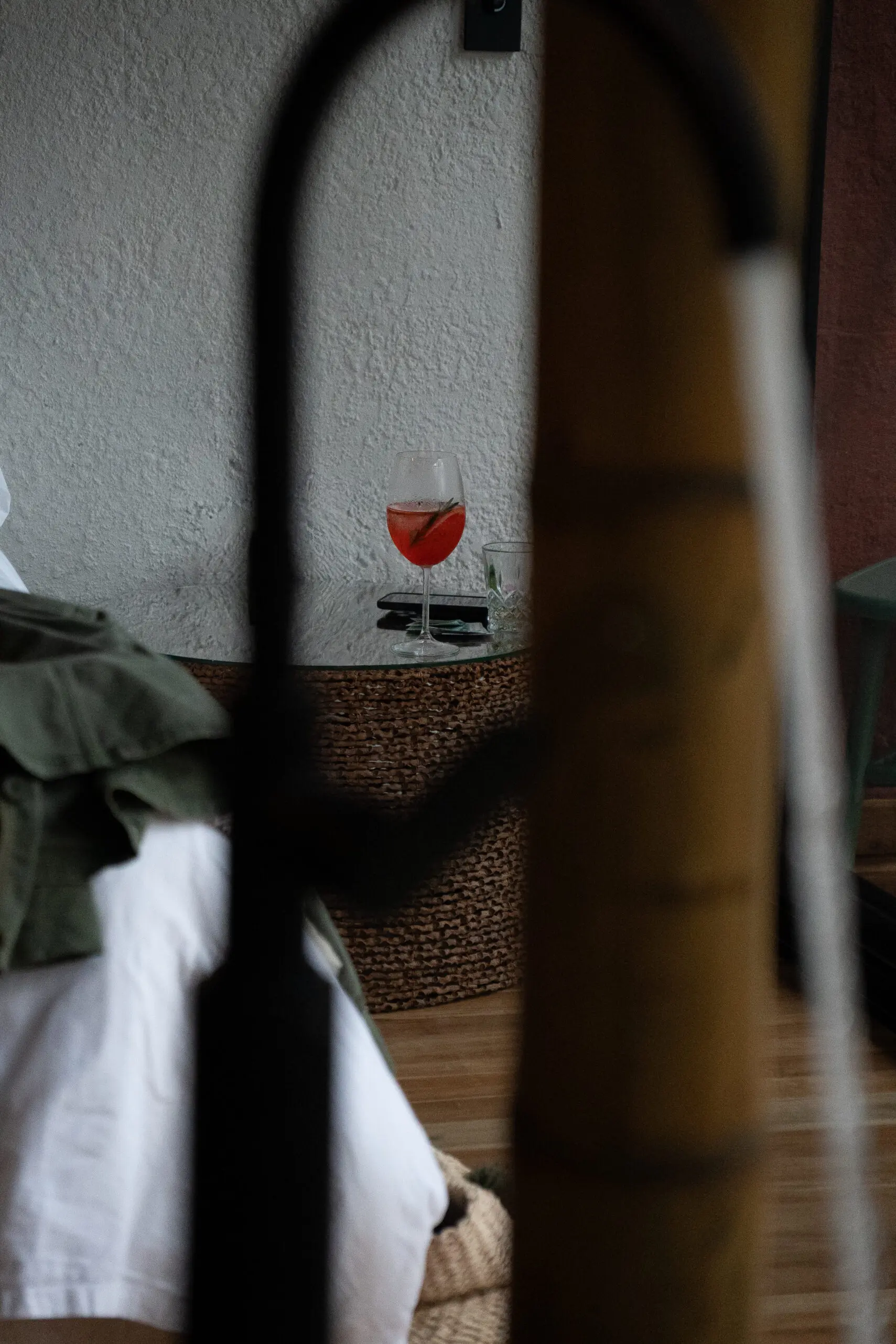



How to do Tayrona National Park
- Hike trails that weave between jungle and beaches, with stops at Cabo San Juan for food and hammocks.
- Bring cash.
- Overnight stays are possible in ecohabs, hostels, or hammocks– as well as luxury resorts. Check out these amazing hotels stays in Parque Tayrona.
How to get to Tayrona National Park
- By Plane: Fly into Simón Bolívar International Airport (SMR) in Santa Marta, then continue by car/public transport.
- Public: From Santa Marta, buses or colectivos reach the El Zaino entrance in 45–60 minutes
- By Car: Taxis or private transfers from Santa Marta (45 minutes).
For the optimal Parque Tayrona experience, wrap it into this ultimate 10-day Colombia itinerary.

If Medellín is innovation and Cartagena is history, then Cali is rhythm.
Known as the salsa capital of the world, this lively city pulses with music that spills out of bars, dance halls, and even street corners. Salsa isn’t just entertainment here – it’s part of Cali’s identity, woven into everyday life.
Even if you’ve never danced before, Cali makes it easy to join in. You can take a beginner’s class during the day, then try out your new sweet new moves at clubs like Tin Tin Deo, La Topa Tolondra, or Zaperoco, where locals of all ages hit the dance floor and stay out until dawn. Watching Calenos dance is a show in itself – the pace is fast, the footwork sharp, and the energy infectious.
If you visit in December, the city explodes during the Feria de Cali, a week-long festival filled with parades, concerts, and endless dancing that draws salsa lovers from around the globe.
How to do Salsa in Cali
- Take a beginner class during the day, then go out at night to iconic clubs like La Topa Tolondra, Zaperoco, or Tin Tin Deo.
- Visit in December for the Feria de Cali festival.
How to get to Cali
- By Plane: Fly into Alfonso Bonilla Aragón International Airport (CLO).
- Public: Buses and taxis connect neighborhoods like San Antonio and Granada to the main salsa clubs.
- By Car: Driving is possible, but nightlife traffic is heavy; taxis/Uber are safer.
Whether you’re a pro or have two left feet, salsa in Cali is one of the most exhilarating things to do in Colombia.
wildlife, night hikes, and pink dolphins

At the southernmost tip of Colombia, where the borders of Peru, Brazil, and Colombia meet, is Leticia – the gateway to the Amazon rainforest. This is where you can do those awesome Colombian jungle tours you’ve heard so much about.
From this small frontier town, you can launch into one of the world’s most biodiverse regions to see pink dolphins swim in the river, toucans, macaws, monkeys, and other rare animals.
Boat rides along the Amazon River take you to indigenous communities (it’s a theme here, isn’t it..), jungle lodges, and hidden lagoons. Guides hike you to medicinal plants, exotic insects, and nocturnal creatures that you’d never be able to spot alone. One of the most surreal experiences is visiting Isla de los Micos, a monkey island where squirrel monkeys dart from tree to tree.
It’s not luxe. You’re most likely to stay in an eco-lodge, but it’s the immersive experiences like night safaris, canoeing through flooded forests, and climbing up the Canopy Walks that you’re there for.
If you need a good small talk topic for dinner parties, visit Tres Fronteras, where you can step between three countries in minutes.


How to do the Amazon in Leticia
- Stay in a jungle lodge for 2–4 days.
- Activities include boat rides to indigenous villages, monkey islands, canopy walks, and night hikes to spot wildlife.
How to get to the Amazon in Leticia
- By Plane: Fly into Alfredo Vásquez Cobo International Airport (LET) in Leticia.
- Public: Boats connect Leticia to lodges, Tabatinga (Brazil), and Santa Rosa (Peru).
Colombia’s cobblestoned time machine

A few hours from Bogotá, you can step back into the 16th century at Villa de Leyva. The cobblestone streets, whitewashed houses, and terracotta roofs of this colonial town have been meticulously preserved, earning it recognition as one of Colombia’s most beautiful sites.
In the center, Plaza Mayor is one of the largest town squares in South America, where locals gather and festivals unfold against a dramatic mountain backdrop.
Beyond its postcard looks, Villa de Leyva is surrounded by natural wonders and cultural gems. You can tour nearby vineyards, hike to the turquoise Pozos Azules lagoons, or explore the El Fósil Museum, home to a 120-million-year-old Kronosaurus fossil discovered in the area.
The town is also known for its festivals, like literary gatherings and the famous Festival of Lights in December.
Villa de Leyva is the perfect small-town antidote to the chaos of Bogotà and one of the most enchanting places in Colombia to sip wine on a colonial balcony.


How to do Villa de Leyva
- Spend a day wandering Plaza Mayor, visit Pozos Azules and El Fósil Museum, and explore nearby vineyards.
- Stay 1–2 nights in a boutique hacienda.
How to get to Villa de Leyva
- By Plane: Fly into El Dorado International Airport (BOG) in Bogotá, then continue by car/public transport.
- Public: Take a bus to Tunja (3 hours) then another bus/taxi to Villa de Leyva (40–60 minutes).
- By Car: Drive 4–4.5 hours from Bogotá.

Just an hour north of Bogotá lies one of Colombia’s most unique attractions: the Salt Cathedral of Zipaquirá.
Built within the tunnels of a working salt mine, this underground church is an architectural feat and an ode to spirituality.
As you descend 180 meters below ground, you’ll pass a series of illuminated chambers representing the Stations of the Cross before reaching the main cathedral, where vast salt-carved walls glow with ethereal blue and purple lights.
The cathedral isn’t just a religious site – it’s also a cultural monument. Completed in 1995 on the site of an earlier chapel built by miners, it can hold up to 8,000 people and is often called Colombia’s “First Wonder.”
If you’re in the neighborhood you can also visit the Guatavita Lagoon, linked to the legend of El Dorado, or a day trip to Villa de Leyva. The town of Zipaquirá itself is also cute, with colonial architecture and a lively main square worth a stroll.
How to do the Salt Cathedral of Zipaquirá
- Book tickets online, allow 2–3 hours inside.
- Walk through illuminated tunnels and the cathedral space.
- Combine with a stroll in Zipaquirá town.
How to get to the Salt Cathedral of Zipaquirá
- By Plane: Fly into El Dorado International Airport (BOG) in Bogotá.
- Public: Take a bus or train to Zipaquirá terminal, then taxi or walk to the salt mine entrance (10–15 minutes).
- By Car: Drive 1–1.5 hours north of Bogotá, with parking available near the entrance.

High in the Andes, northeast of Bogotá, lies Laguna de Guatavita, a circular emerald-green lake steeped in myth and history.
This sacred site of the Muisca people was central to the legend of El Dorado–where indigenous chiefs were said to cover themselves in gold dust and make offerings of treasures into the water during ceremonies.
The lagoon is surrounded by páramo landscapes and pine forests, making it as scenic as it is symbolic.
Today, visitors come to walk its trails, learn about Muisca culture, and admire the shimmering crater lake from viewing platforms above. Swimming is not allowed, so leave those banana hammocks in California.
How to do Guatavita Lagoon
- You need a local guide to get in, but it’s included in the entry fee.
- The walk around the lagoon takes about 1–2 hours.
- Most people do it as a half-day or day trip from Bogotá.
How to get to Guatavita Lagoon
- By Plane: Fly into El Dorado International Airport (BOG).
- Public: Bus to Guatavita town, then taxi/shuttle to the lagoon entrance.
- By Car: Drive 1.5–2 hours northeast of Bogotá.

If there’s one event that captures Colombia’s joy and cultural diversity, it’s the Carnaval de Barranquilla – made famous by Shakira.
Every February, this coastal city transforms into a storm of parades, costumes, and music, making it the second-largest carnival in the world after Rio de Janeiro.
Declared a Masterpiece of the Oral and Intangible Heritage of Humanity by UNESCO, it’s a festival that celebrates Afro-Caribbean, Indigenous, and Spanish traditions all at once.
For four days straight, the city doesn’t sleep.
The Batalla de Flores (Battle of Flowers) kicks off the carnival with floats and dancers in elaborate feathered costumes, followed by nonstop processions of cumbia, mapalé, porro, and salsa. Streets fill with brass bands, comparsas (dance troupes), and revelers covered in flour and foam sprays.
You can watch from grandstands or join guided tours, but I recommend diving right into the street parties.
Locals often say, “Quien lo vive es quien lo goza” – only those who live it can truly enjoy it.
How to do Barranquilla Carnival
- Buy tickets for grandstands at main parades like the Batalla de Flores, or join guided tours for insider access.
- Bring costumes, cash, and stamina for four days of parties.
How to get to Barranquilla Carnival
- By Plane: Fly into Ernesto Cortissoz International Airport (BAQ).
- Public: Buses and taxis run across the city; hotels often arrange shuttles.
- By Car: Drive 2 hours from Cartagena or Santa Marta.
your front-row seat to giants

Between July and October, Colombia’s Pacific coast becomes the stage for one of nature’s most incredible moments: the migration of humpback whales.
These giant water mammals travel thousands of miles from Antarctica to the warm waters off Colombia to breed and give birth, and places like Nuquí and Bahía Solano offer front-row seats.
Imagine sitting in a small boat as a 40-ton whale breaches right in front of you, sending water cascading in every direction. It’s raw and powerful.
Local guides, many of them fishermen turned conservationists, know the best spots to find the whales and often combine tours with stops at secluded beaches or natural hot springs tucked into the jungle.
The Pacific coast itself is a thing – kind of Colombia’s untamed frontier, with dense rainforest, deserted beaches, and Afro-Colombian culture.
Beyond whale watching, you can surf, hike to waterfalls, or stay in rustic eco-lodges where the jungle literally meets the sea.
How to do whale watching in Colombia
- Visit between July–October.
- Join a small-boat tour with licensed guides for close-up whale sightings, often combined with hot springs or waterfall hikes.
How to get to whale watching in Colombia
By Plane: Fly into José Celestino Mutis Airport (BSC) in Bahía Solano or Reyes Murillo Airport (NQU) in Nuquí.
two islands, two totally different vibes

Colombia’s San Andrés and Providencia are 2 islands that, geographically, should be part of Nicaragua but were given to Colombia by Spain in an 1822 treaty.
Together they’re the coin with both sides of paradise: San Andrés is lively and touristy and Providencia is remote and authentic. Both have some majorly beautiful beaches, floating in the western Caribbean, kind of embodying a world of their own, separate from Spain, Colombia, and Nicaragua.
The islands are united by a culture is Afro-Caribbean Raizal, with reggae rhythms, Creole English, and an easygoing way of enjoying life, as well as the “Sea of Seven Colors,” (everything is seven in Colombia), which is a quite literal kaleidoscopic of waters that make this mini archipelago one of the most beautiful natural places I’ve ever seen.
San Andrés
Visitors usually start in San Andrés, the larger hub, where duty-free shopping and bustling beaches contrast with quieter corners like San Luis.
Offshore, the magic multiplies: Johnny Cay is a palm-fringed islet with fresh fish and rum cocktails. There’s reggae and calypso music and dancing, and at the nearby Acuario Cays (El Acuario and Haynes Cay) you can walk across shallow sandbanks from one cay to the other, through ankle-deep water, surrounded by schools of tropical fish and rays. It’s quite literally paradise.
There’s a shipwreck that looks like walking distance but is not (nor is it swimming distance, apparently), but having it in the backdrop just really ties the room together.
One of our favorite parts of the trip was the iguanas on Jonny Cay. We played with them for at least 2 hours, after breaking for the freshest fish dish I’ve ever had in my life.
La Piscinita is a natural swimming spot on San Andrés where, instead of a traditional beach, it’s a rocky cove carved out by coral reefs where the sea forms a calm, crystal-clear “pool” perfect for snorkeling. The water here is shallow enough to float comfortably, but deep enough to dive in and swim with tropical fish that surround you as soon as you hit the water.
Providencia
If you make the extra journey to Providencia (and its sister island Santa Catalina, linked by Lovers’ Bridge), you’ll find a different rhythm entirely. Declared a UNESCO Biosphere Reserve, Providencia protects one of the healthiest coral reefs in the Caribbean – a diver’s and snorkeler’s dream.
Its mountainous terrain offers hikes like The Peak, with sweeping island views, while Santa Catalina adds pirate lore and colonial ruins to the mix. Here, Creole English is spoken as much as Spanish, and the vibe is laid-back and deeply tied to tradition.
This is a great trip to see the natural wonder and nuanced culture that Colombia offers and no one else rivals. It’s also nice because you can do your party trip over on San Andrés, and then chill out on Providencia.


How to do San Andrés and Providencia
- On San Andrés, rent a golf cart and explore Johnny Cay, El Acuario, and La Piscinita.
- On Providencia, dive, snorkel, and hike The Peak.
- Stay in one of these amazing hotels.
How to get to San Andrés and Providencia
- By Plane: Fly into Gustavo Rojas Pinilla International Airport (ADZ) on San Andrés, or El Embrujo Airport (PVA) on Providencia.
- Public: Ferries connect San Andrés to Providencia (weather permitting).
volcanoes, páramo, and thin-air trails

Hiking in Los Nevados National Park (Parque Nacional Natural Los Nevados) is one of Colombia’s most striking high-altitude adventures.
The park stretches across the Central Andes and is famous for its landscape of dramatic contrasts – snow-capped volcanoes (Nevado del Ruiz, Nevado de Santa Isabel, and Nevado del Tolima), páramo ecosystems (grasslands dotted with giant rosette plants unique to the Andes), alpine lakes such as Laguna del Otún, and glacial lagoons.
There are some cool animals there, like spectacled bears, tapirs, condors, and countless hummingbirds, but they hide so spotting them requires luck.
Routes
There are a few different routes you can take. Some popular ones are:
- Laguna del Otún (1–2 days): A moderate trek through páramo landscapes ending at a glacial lake, often used for acclimatization.
- Santa Isabel Glacier (1–2 days): A demanding hike that once allowed visitors to step onto the glacier, though access is now restricted due to climate change and safety concerns.
- Nevado del Tolima Summit (4–5 days): A challenging, multi-day trek for experienced hikers, with camping along the route and a technical summit push.
Most treks start from towns like Manizales, Pereira, Salento, or Ibagué and altitudes on the hike can range from 2,600 meters (8,500 ft) to over 5,300 meters (17,400 ft), so hikes often involve thin air and cold conditions.
How to do Los Nevados National Park
You’ll need transport, acclimatization days, and probably a reliable outfitter to hike in Los Nevados.
- For shorter treks like Laguna del Otún, you can often go independently, though weather and altitude make a guide smart.
- For glacier hikes you need a licensed guide, which you can hire in towns like Manizales, Pereira, Salento, or Ibagué, where most treks start. If you’re doing a multi-day hike, you’re going to need to be camper or stay in a mountain lodge.
How to get to Los Nevados National Park
- By Plane: Fly into Matecaña International Airport (PEI), El Edén International Airport (AXM), or La Nubia Airport (MZL).
- Public: Buses run from Pereira, Armenia, or Manizales to trailhead towns like Salento.
- By Car: Drive from Pereira, Armenia, or Manizales to park access points (4×4 often required).
740 steps to Instagram glory

Visiting Guatapé and Climbing El Peñol Rock is one of the most popular day trips from Medellín.
Guatapé is a colorful lakeside town about two hours away, famous for its zócalos – bright murals decorating the lower walls of houses. I like to grab a Club Colombia and wander the streets – it’s like walking through a giant open-air art gallery.
The star attraction is El Peñol Rock, a 200-meter granite monolith rising dramatically above the reservoir.
The giant, zigzagy, 740-step staircase takes you to a viewpoint with panoramic views of the lakes, islands, and rolling green hills below.


How to do Guatapé
You can combine the El Peñol climb, lunch in Guatapé, and a boat ride or kayaking on the lake, as well as an overnight stay.
- Most people do Guatapé as a guided day trip from Medellín. I’ve never done it because I don’t have the patience, and every single person I’ve been with after the trip – which is a lot – has been exhausted. They loved it but for some reason, it tires them out.
- You can get there by bus from Terminal del Norte and do your own thing for the day.
- My reco, if you don’t mind spending the extra cash, is to hire a driver and do a luxe overnight trip and stay at a glamping boutique hotel, BOSKO. It’s one of those slow-travel, digital detox places, where they have everything from a great dining experience, in what feels like the forest, to in-room massages, to free-use kayaks, to an upscale poolside experience with servers to bring you cocktails. Here are some other best Guatapé hotels.
How to get to Guatapé and El Peñol
- By Plane: Fly into José María Córdova International Airport (MDE) or Olaya Herrera Airport (EOH).
- Public: Bus from Medellín’s Terminal del Norte to Guatapé (2 hours), then moto-taxi to El Peñol. Or take a guided trip like most people do.
- By Car: Drive 2 hours from Medellín; private drivers/tours allow flexibility.
adrenaline hub for thrill-seekers

San Gil is Colombia’s adventure capital, a small town in the Santander Department that has built its reputation around extreme sports and outdoor experiences. Surrounded by mountains, rivers, and caves, it attracts travelers looking for adrenaline mixed with traditional Colombian charm.
The town itself is small and walkable with a colonial-style square, Parque Principal, lined with cafés and restaurants. It’s the kind of hub, where travelers hang out and plan day trips into the surrounding countryside. It has affordable hostels, boutique hotels, and tour operators geared toward adventure tourism.
The biggest draw is whitewater rafting on the Río Suárez (Class IV–V rapids) or the milder Río Fonce (Class II–III).
Other adventures include paragliding over the Chicamocha Canyon, caving in formations like Cueva del Indio, bungee jumping from bridges, mountain biking, rock climbing, and waterfall rappelling.
Day trips from San Gil are Barichara, known as one of Colombia’s most beautiful colonial villages, about 40 minutes away, or Chicamocha Canyon, which is one of the world’s largest canyons, where you can hike or take a cable car across it.
How to do San Gil
- Book whitewater rafting, paragliding over Chicamocha Canyon, or caving adventures.
How to get to San Gil
- By Plane: Fly into Palonegro International Airport (BGA) in Bucaramanga.
- Public: Frequent buses from Bogotá or Bucaramanga.
- By Car: Drive 5–6 hours from Bogotá, or 3 hours from Bucaramanga.
colonial charm and UNESCO cuisine

Popayán, the “White City,“ is one of Colombia’s most unique and historic towns, known for its whitewashed colonial buildings, deep cultural traditions, and for being a UNESCO City of Gastronomy.
It’s located in the southwest of the country, halfway between Cali and Pasto, it has been an important religious and intellectual center since Spanish colonial times.
The city is famous for its Semana Santa (Holy Week) processions, declared a UNESCO Intangible Cultural Heritage (yes, a double UNESCO). These parades have been held for more than 400 years and draw visitors from across Latin America.
The food is a blend of Spanish, Indigenous, and Afro-Colombian. You’ll find dishes like empanadas de pipián, tamales de pipián, and regional desserts showcase this fusion.
Using Popayán as a launching point, you could take a day trip to Puracé National Natural Park, to relax in hot springs, frolic in waterfalls, bird-watch condors, gaze upon active Puracé Volcano, and check out Silvia, a market town where the Misak Indigenous community gathers weekly in traditional dress.
How to do Popayán
- Wander the historic center.
- Eat UNESCO-listed gastronomy.
- Time your visit for Semana Santa or take a day trip to Puracé National Park.
How to get to Popayán
- By Plane: Fly into Guillermo León Valencia Airport (PPN).
- Public: Bus from Cali or Pasto (3–4 hours).
- By Car: Drive 3 hours from Cali or 4 from Pasto.

The “River of Five Colors” is often called the most beautiful river in the world.
Its water is clear like a beach in the Caribbean, with red, yellow, green, blue, and black underwater plants called Macarenia clavigera. When the conditions are just right–sunlight, water level, and temperature–the plants turn brilliant red and mix with sand, rocks, moss, and sky reflections to create the rainbow effect.
You can take guided hikes along marked trails to waterfalls, natural rock pools, and multiple viewing points. Swimming is allowed in some spots, but don’t just wander off and swim anywhere or you’ll kill the plants.
Visit in June through November, when water levels are high enough for the plants to thrive but not so high that they’re washed out. Outside this season, the river is actually closed to allow the ecosystem to recover. Colombia is very protective of its nature..
How to do Caño Cristales
- Access to Caño Cristales is tightly regulated and daily visitor volume is capped. You have to travel with an authorized guide from La Macarena town; independent travel is not allowed.
- Entry permits are required and arranged by tour operators along with daily visitor caps.
- Most tours last 3–5 days, with overnight stays in La Macarena town. Day trips aren’t feasible because of flight and park logistics.
How to get to Caño Cristales
- By Plane: Fly into La Macarena Airport (LMC).
- Public: Boat + hike combinations arranged by tour operators from La Macarena.m dolore eu fugiat nulla pariatur. Excepteur sint occaecat cupidatat non proident, sunt in culpa qui officia deserunt mollit anim id est laborum.
ancient gods carved in stone

San Agustín is like Colombia’s Easter Island.
The largest collection of pre-Columbian megalithic sculptures in South America is a UNESCO World Heritage Site located in the southern Huila region of Colombia. More than 500 stone statues, tombs, and ceremonial sites are scattered across lush Andean hillsides, carved by an ancient culture that left behind no written records.
The park feels both an open-air museum and a spiritual landscape, where jungle trails lead to sudden encounters with fierce gods, mythical animals, and expressive human figures.
Visiting San Agustín isn’t just about archaeology – it’s also about atmosphere. You have views of the Magdalena River valley, trails, and a museum offering cultural context. The trip blends history and nature beautifully.
How to do San Agustín Archaeological Park
- Entry includes access to the main park and its on-site museum; no special permit is required.
- A local guide is optional but recommended for context on the statues and culture.
- Plan at least half a day; a full day is best if you want to include nearby satellite sites.
How to get to San Agustín Archaeological Park
- By Plane: Fly into Contador Airport (PTX)
- Public: Bus from Bogotá or Neiva to Pitalito, then local bus/taxi to San Agustín.
- By Car: Drive 6–8 hours from Bogotá; 5–6 from Cali.
fluency with a side of fun

This is how I ended up moving to Colombia in the first place.
Colombia is one of the best places to study for a few, if not many reasons:
- Colombian Spanish is nice, easy to listen to, easy to understand.
- It’s cheap to live there, and accessible to travel around the country from your home base.
- It’s relatively safe, contrary to its reputation.
While you can study in any of the cities, I’m going to recommend that you at least start in Medellín. Medellín has a mild year-round climate, very friendly locals (paisas), and a thriving expat community.
Dozens of language schools–from boutique academies to established institutes–run intensive courses that combine grammar, conversation, and cultural activities.
Many also arrange homestays or intercambio (language exchanges) so you can practice outside the classroom. I did this for the first few weeks, and while I do highly recommend it, I was too much of a princess with too large a luggage to stay in the small spaces that these intercambios provide, and I just wanted something more expat.
Beyond the lessons, Medellín itself becomes your teacher: chatting with taxi drivers, shopping at local markets, and navigating daily life push you into real-world fluency. If you’re single, I think dating someone who doesn’t speak your language is the fastest way to learn another one.
Pro Tip: Try not to go to Colombia to hang out with other Americans. It’s easy to relate to people who speak your language and understand your culture but it defeats the purpose of traveling and will hinder your advancement if you’re trying to learn Spanish.
How to do a Spanish course in Medellín
- Programs usually run 1–4 weeks, with 15–25 hours of classes per week; some offer accommodation packages.
- Homestays or shared apartments help maximize immersion, but if you’re just too fancy for that you can stay in one of these incredible Medellín hotels.
cartel kitsch turned family theme park

This one is less of a recommendation and more of just letting you know it’s there.
Hacienda Nápoles was one of Pablo Escobar’s lavish estates, and is now a sprawling theme park and zoo in Puerto Triunfo, about halfway between Medellín and Bogotá. You’ve probably heard of it even if you don’t know it – you know that urban legend about Pablo’s hippos getting out and terrorizing the town? It’s true, and that’s here.
Escobar originally filled the finca with eccentric luxuries, including private airstrips, exotic animals, and even a replica of the plane that carried his first cocaine shipment to the U.S.
Today, the property has been repurposed as a family attraction, with African safari animals, waterparks, butterfly gardens, and dinosaur replicas.
When I went it was hot. The animals don’t seem well-cared for. And it was honestly one of the most depressing things I’ve done in Colombia, but maybe I’m just spoiled with our American theme parks and was just expecting too much, so don’t let me deter you (or do, idk).


How to do Hacienda Nápoles
- Entry tickets can be purchased at the front.
- If you do a full day, #1) I’m glad I’m not your friend, and #2) bring something to swim in so that you can go in the waterfall things so you don’t die.
How to get to Hacienda Nápoles
- By Plane: Fly into José María Córdova International Airport (MDE) in Medellín or El Dorado International Airport (BOG) in Bogotá, then continue by car or public transport.
- Public: Buses run from Medellín’s Terminal del Norte to Puerto Triunfo, then taxis to the park entrance.
- By Car: Drive 3.5–4 hours from Medellín or 5.5–6 hours from Bogotá.
cities turned into car-free playgrounds

“‹”‹Every Sunday and holiday morning, Colombia’s cities transform into giant car-free playgrounds for Ciclovía–a tradition that began in Bogotá in the 1970s and has since spread through Colombia, to other countries in Latin America.
After the freeways clos, locals pour onto closed avenues with bikes, rollerblades, running shoes, and even dogs in tow. Medellín is particularly cool because they do it Tuesday nights, as well, and some of the more serious rollerbladers skate down the highway with an insane view of the city skyline at night.
Bogotá leads with more than 120 km of routes, Medellín follows with around 65 km, and Cali and Barranquilla also close their main streets, often adding live music, aerobics, and street food stands. The result is a festive mix of fitness and community that turns exercise into celebration.
How to do Ciclovía
- You can run it, but it’s more fun with a bike or skates.
- Runs every Sunday and holiday, usually 7 a.m.–2 p.m., and Tuesdays in Medellín
Renting is hard to come by in Colombia, so if you’re there for a while, consider buying – you can sell on the Medellín Expats Facebook group when you leave.
cloud-level lounging above the jungle

Minca, a laid-back mountain village above Santa Marta, is famous for its eco-hostels, hippie towns, and jungle views stretching all the way to the Caribbean Sea.
The town’s most iconic experience is found at hostels like Casa Elemento, where enormous hammocks big enough for several people hang over the treetops.
Lazing in one of these nets high above the valley is both peaceful and surreal–you’re cradled in the clouds, with toucans, waterfalls, and the coastline spread out below.
Beyond hammocks, Minca offers coffee farm tours, hiking trails, and river swims, making it a favorite backpacker escape, and it’s a good midway point between Cartagena and Parque Tayrona.


How to do Minca Hammocks
- Book a bed or a day pass at Casa Elemento.
- If you’re driving to Casa Elemento be prepared to be scared. Getting to Minca town is fine, though.
How to get to Minca
- By Plane: Fly into Simón Bolívar International Airport (SMR) in Santa Marta.
- Public: Shared 4x4s leave from Santa Marta’s central market (45 minutes). From Minca town, moto-taxis climb up to the hostels.
- By Car: Drive 45–60 minutes from Santa Marta. Final stretch is rough and best with 4×4.
history meets a weird battlefield

One of the most darkly unusual, but fun things you can do in Colombia is grab a paintball gun and have a cute little funsies-only war against your friends inside Finca La Manuela, Pablo Escobar’s former lakeside mansion near Guatapé.
Built in the ’80s, the finca was named after Escobar’s daughter and once had its own disco, marina, and private airstrip. After Escobar’s death, the property fell into ruin, bombed by rivals and swallowed up by jungle and graffiti.
Today, it’s partly reclaimed as a surreal adventure playground where visitors can duck behind bullet-scarred walls, sprint through courtyards, and fire paintballs across the crumbling remains of a cartel stronghold.
The atmosphere is unlike any other paintball field–you’re not in a sterile arena but in a place layered with history and symbolism. Some operators even combine the game with storytelling, explaining Escobar’s impact on the region as you explore the ruins.
Packages often include a boat ride across the reservoir and sometimes ATVs or lunch in Guatapé.
Pro Tip: Be aware that you’re doing something controversial and potentially disrespectful by engaging in Pablo tourism – more on that here.
How to do Paintball at La Manuela
- Book through a tour operator – paintball is included as part of a package (usually ~4 hours including mansion visit + boat).
How to get to La Manuela (Guatapé) Paintball Mansion
- By Plane: Fly into José María Córdova International Airport (MDE) or Olaya Herrera Airport (EOH)
- Public: Buses run from Medellín to Guatapé (2 hours), then boat transfers arranged by tours.
- By Car: Drive 2 hours from Medellín to Guatapé, then boat across the reservoir.

Cartagena was once the crown jewel of Spain’s empire in the Americas, and so and a prime target for pirates and rival navies.
The city doesn’t really lean into this, other than that it has some amazing historic architecture, for example the fortress that surrounds the entire city. But that doesn’t mean you can’t use your imagination.
Visit Castillo San Felipe de Barajas, the massive 17th-century fortress built to repel attacks. You can roam its tunnels, climb its walls, and take in sweeping views of the walled city and Caribbean, where cannons once fired on approaching ships.
Pop into the gold museum (Museo del Oro Zenú) for artifacts that reveal why Cartagena was such a target. It’s in the town center, nestled between shops and some of the best bars in Latin America and the world (see Alquimico) so you can go shopping for some gold to take home and get a nice rum drink after.
Take a classic horse-drawn carriage ride through the cobblestone streets on your way to dinner, if you’ve managed to keep with the pirate theme still. If not, do it anyway – it’s one of the most atmospheric ways to experience the colonial city at night.


How to do pirate tourism in Cartagena
- Visit Castillo San Felipe fortress, the Museo del Oro Zenú, and Cartagena’s old city walls.
- Add a carriage ride at sunset for atmosphere.
- Stay in one of Cartagena’s best hotels.
How to get to Pirate Tourism in Cartagena
By Plane: Fly into Rafael Núñez International Airport (CTG) in Cartagena.

Cartagena does not have good beaches. Don’t be fooled. But – there is a fix.
Barú is Cartagena’s beach escape – a peninsula-turned-island just across the bay.
Its most famous stretch is Playa Blanca, a long ribbon of powdery white sand and turquoise water.
The vibe is rustic. Think hammocks, thatched-roof cabanas with no plumbing, and seafood cooked steps from the sea.
People come on day trips, but staying overnight means you get to live like a hippie on the beach, and the beach is much more relaxing after the hordes head back to Cartagena.
The Instagram experience here is the Totumo mud volcano, a short detour where you can climb into a pit of thick white mud and float around while getting a massage from an overly zealous local. Be warned, they are overzealous. If you go here, you are getting a massage whether you like it or not. And you’re paying. No means yes.
Afterward, you rinse off in a nearby lagoon before continuing to Playa Blanca, salty and sun-soaked, to spend the night swinging in a hammock or sipping cocktails by candlelight. Or, if you do a tour that includes bioluminescent plankton, you’ll head out on the water to see the glowing plankton light up as you move.
It’s a mix of kitschy adventure and barefoot hippie living that defines the Barú experience.


How to do Playa Blanca in Barú
- You can do a day trip or stay overnight in rustic hostels or small eco-lodges. I’ve actually slept on the beach once.
- Tours often combine Playa Blanca with the Totumo mud volcano.
- Bring cash, tons of sunscreen, and expect very basic facilities if staying overnight at one of Barú and the Rosario Island’s best hotels.
How to get to Playa Blanca in Barú
- By Plane: Fly into Rafael Núñez International Airport (CTG) in Cartagena.
- Public: Boats leave from Cartagena’s docks, or buses/shuttles run to Barú followed by moto-taxis.
- By Car: Drive 1–1.5 hours from Cartagena via the bridge to Barú.

Medellín is a city where food is part of the rhythm of daily life. You can keep it local with cheap and tasty Colombian street food, or splurge on high-end dining in El Poblado. Both give you a flavor of the city, just in completely different ways, for different modes.
Option 1: Street Food Downtown
If you want a true Medellín experience, head downtown.
Grab empanadas hot from the fryer, arepas (buttery or stuffed), buñuelos, and fresh juices from corner vendors or stalls at Plaza Minorista. The vibe is fast, noisy, and authentically paisa. Street food is affordable, filling, and gives you a direct connection to the everyday culture of the city.
Option 2: Fancy Restaurants in El Poblado
For the polished side of Medellín’s culinary scene, go to El Poblado, the upscale neighborhood known for its trendy dining spots and innovative chefs.
Here you’ll find some of the best restaurants, with tasting menus, fusion concepts, and stylish cocktail bars. It’s where the city shows off its cosmopolitan edge and where you’ll want to make reservations in advance.


How to do street food in Medellín
- Go where the locals go: markets like Plaza Minorista and street corners in Laureles and Envigado are prime stops.
- Bring small bills in pesos, order what looks good, and don’t be afraid to ask for recommendations.
- Street food here is safe when it’s freshly fried or grilled in front of you–just avoid items that have been sitting out too long.
How to do restaurants in Medellín
Go to literally any of these:
- El Cielo
- Carmen
- El Bosque Era Rosado
How to Get to Medellín
By Plane: Fly into either José María Córdova International Airport (MDE) in Rionegro or Olaya Herrera Airport (EOH) in Medellín, then connect by metro or taxi.
If you’re going all out with the #luxevacay in Medellín, stay at the Click Clack – a social modern hotel in the city center near all the restaurants, and with various restaurants in its building.
Here are some other options for Medellín hotels if the Click Clack isn’t your style:

Once one of the most dangerous neighborhoods in Medellín, Comuna 13 has transformed into the city’s most vibrant symbol of resilience and creativity.
The neighborhood is covered in colorful murals and graffiti that tell stories of conflict, displacement, and rebirth.
You’ll wander through open-air galleries, listen to local guides share personal histories, and ride the outdoor escalators that replaced steep stairways and connected the community to the rest of the city. Street performers, hip-hop collectives, and vendors selling mango biche and arepas add to the energy, making a walk through Comuna 13 feel like both a history lesson and a celebration of Medellín’s cultural revival.


How to do Comuna 13
- A guided tour is definitely recommended, as locals provide essential context and ensure you see the most important murals and viewpoints. It can be short and sweet and then you can wander the hood.
How to get to Comuna 13
- By Plane: Fly into either José María Córdova International Airport (MDE) in Rionegro or Olaya Herrera Airport (EOH) in Medellín, then connect by metro or taxi.
- By public: Take the Medellín metro to San Javier station, the gateway to Comuna 13; many tours start here.
- By car: It’s a 20–30 minute drive from El Poblado or Laureles; taxis and ride-hail apps drop you directly at San Javier or near the escalators.

San Félix is a Medellín adventure mountain where you can do an impromptu tandem paragliding launch off a cliff, hovering over the Aburrá Valley for 15 long minutes before you land in Bello.
The area also has ziplines, waterfall hikes, and cliff-edge viewpoints for people who want the adrenaline without risking an unregulated plunge.
How to do San Félix jumps
How to get to San Félix
- By Plane: Fly into José María Córdova International Airport (MDE) or Olaya Herrera Airport (EOH).
- Public: Take local buses from Medellín to the launch areas, or join a guided tour with hotel pickup.
- By Car: Drive 45–75 minutes from Medellín depending on traffic.

Soccer in Colombia isn’t just a pastime – it’s a passion that electrifies entire cities (and has famously gotten people killed, but that’s another story for another time).
Catching a live match gives you a front-row seat to that energy. In Medellín, the rivalry between Atlético Nacional and Independiente Medellín makes every game at Estadio Atanasio Girardot feel like a festival, with chanting hinchas, drums, fireworks, and a sea of green or red jerseys.
In Bogotá, Millonarios and Santa Fe clash at Estadio El Campín, while in Cali, América and Deportivo Cali fire up one of the country’s fiercest derbies.
Even if you’re not a sports person, the atmosphere is contagious and unforgettable, as well as a little bit scary.

How to do a soccer game
- Tickets can be bought online, at team stores, or outside stadiums. This part is actually kind of tricky – if you know a Colombian who can do it for you, that will be much easier.
- You can also experience Colombian soccer through a guided tour.
- If you’re a drinky sports person you’ll need to pre-game because alcohol is not sold inside soccer stadiums in Colombia.

While I would argue that Medellín is Colombia’s cultural capital, Bogotá is the official capital, and nowhere is that clearer than in its museums.
The most famous is the Museo del Oro (Gold Museum) – bigger than Cartagena’s but with a similar collection of pre-Columbian gold artifacts of indigenous cultures shaping Colombia’s history. This one is one of the best collections of its kind in the world.
Art lovers gravitate to the Museo Botero, housed in a colonial mansion in La Candelaria, where Fernando Botero’s plump figures share space with works by Picasso, Dalí, and Monet.
For a broader look at Colombian history and identity, the Museo Nacional de Colombia is a must, while the quirky Museo de la Esmeralda explores the country’s emerald mining tradition.
Walking through Bogotá’s historic center, La Candelaria, most of these museums are within a few blocks of each other, so you can really do all of them in an afternoon if you’re about that efficiency.
How to do Bogotá museums
- Most museums can be done quickly, but plan a half day for the Gold Museum + Botero Museum
How to get to Bogotá’s Museums
- By Plane: Fly into El Dorado International Airport (BOG) in Bogotá.
- Public: Walk between museums in La Candelaria or take TransMilenio to nearby stops.
- By Car: Taxis and rideshares are the easiest way to move between museums.
so that the entire family can get made-in-Colombia for Christmas this year

For spendy people, shopping is always a thing when they travel. But even if you’re not like that, you should think about spending a few hours in a shopping mall while you’re in Colombia, because this country has some made-in-Colombia goods that are super useful, stylish, and affordable.
I never bring people gifts from other countries because I feel like it’s usually junk, but Colombia actually has some really great souvenirs and gifts that people will actually use. For example,
- Colombian coffee
- Ruana (super stylist ponchos)
- Aguardiente
- See the entire list…
Shopping in Colombia is as much about culture as it is about fashion. Medellín in particular is known for its malls – El Tesoro and Santafé are two of the biggest – but don’t skip smaller shops showcasing local designers.
Bogotá offers everything from gold jewelry to leather goods.
Cartagena’s Old Town might be the funnest shopping. It’s the spot for breezy linen, emeralds, vibrant handicrafts, and designer bikinis.
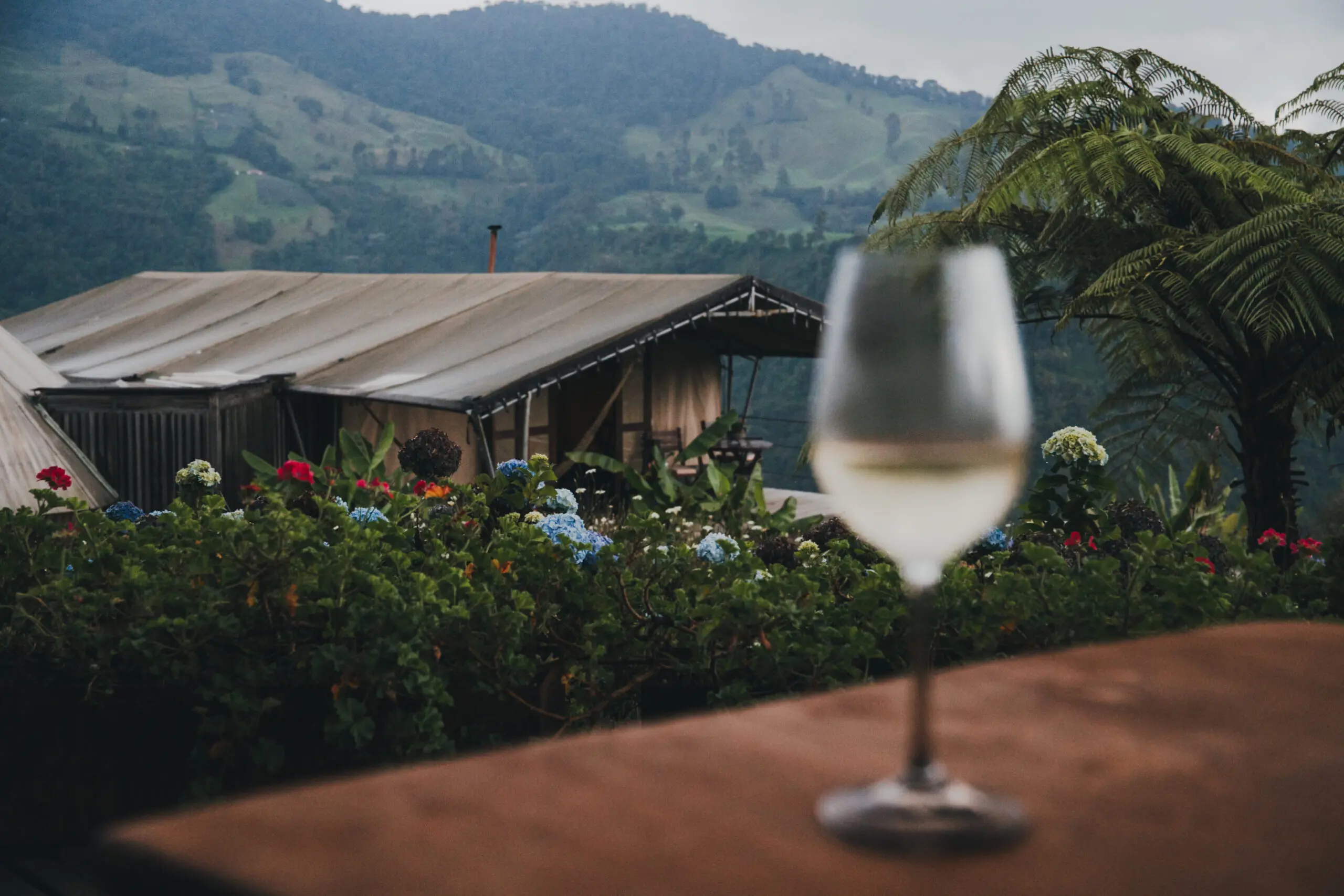





because this country isthatromantic

Cartagena is one of the most romantic cities in Latin America – or I would argue the world – making it a dream destination for weddings.
Between the colonial charm of the Walled City, sweeping Caribbean views, and historic churches, it’s become a top spot for couples looking to combine culture and celebration.
I actually had my wedding there in 2023. It was pretty awesome, and only cost me $15,000. You can read the exact price breakdown here but please know that it’s much more expensive to do it now. In fact, someone is copying my blueprint in Janaury and my wedding planner told me it’s going to cost $25,000 now for the eact same wedding. Still a steal, if you ask me – we had 60 people and 3 locations.
Also consider that a destination wedding in Colombia is not for everyone You can read about what makes you a good candidate for a Colombian destination wedding here.
And if you decide you might want to do it (because why not, life is short), check out Cartagena’s best wedding venues here!


How to do a Wedding in Cartagena
- Hire a local wedding planner familiar with permits and venues. I can recommend mine.
- Choose between colonial churches, boutique hotels, or private mansions in the Walled City.
- Consider timing: avoid peak summer heat and rainy season for outdoor ceremonies.
How to get to Cartagena
- By Plane: Fly into Rafael Núñez International Airport (CTG), just 10 minutes from the Walled City.
- Public: Within Cartagena, taxis are plentiful and inexpensive; the Old Town is walkable.
Colombia isn’t just one destination – it’s many worlds in one.
You can be chill and wander Cartagena’s cobblestones, soar above Medellín in a cable car, or hike to the Lost City, all in a few days – each adventure leaving you wanting more.
We walked about the best places to visit and the best things to do in Colombia, now the hardest part is deciding where to start. If you’re ready to start experiencing it for yourself, check out this ultimate 10-day Colombia itinerary, including these 21 best activities that you have to do in Medellín. And if you’re nervous, read this article about Colombia safety travel.
Check out flights to Colombia here:
Your Colombian adventure awaits…
As always, if you have any questions or want specific recommendations leave them in the comments and I’ll respond.
If you want to message me privately, I’ll respond on Instagram @the.hautebohemian
This blog may contain affiliate links. If you make a purchase through these links, I may earn a commission at no additional cost to you.
This helps support the blog and allows me to continue creating content. Read my fulldisclosure for more info and thank you for your support.
Related Posts
Is Cartagena safe? An honest take after my wedding (2026)
I got married in Cartagena — then watched a friend get shaken down over a street baggie. The honest safety truth, and how to skip the trouble.

Is Medellín safe? An honest answer after living there (2026)
I lived in Medellín three years, then watched it change. The honest answer on whether it’s safe — and exactly how to stay that way.
Your Complete Guide to El Nido Del Condor (2026)
There are hotels you book. And then there are experiences you plan your entire trip around. Accessible only 12-minute gondola ride across a 2,000-meter valley, El Nido del Cóndor sits on a plateau in Colombia’s Andes where everything you eat grows on-site, the silence is absolute, and you might see one of the world’s rarest birds.
0 Comments