

The honest truth, after living there
Is Medellín safe? An honest answer after living there (2026)
Here’s the truth most safety guides won’t tell you: for three years, pre-pandemic, I felt safer in Medellín than I did in half the American cities I’ve been to.
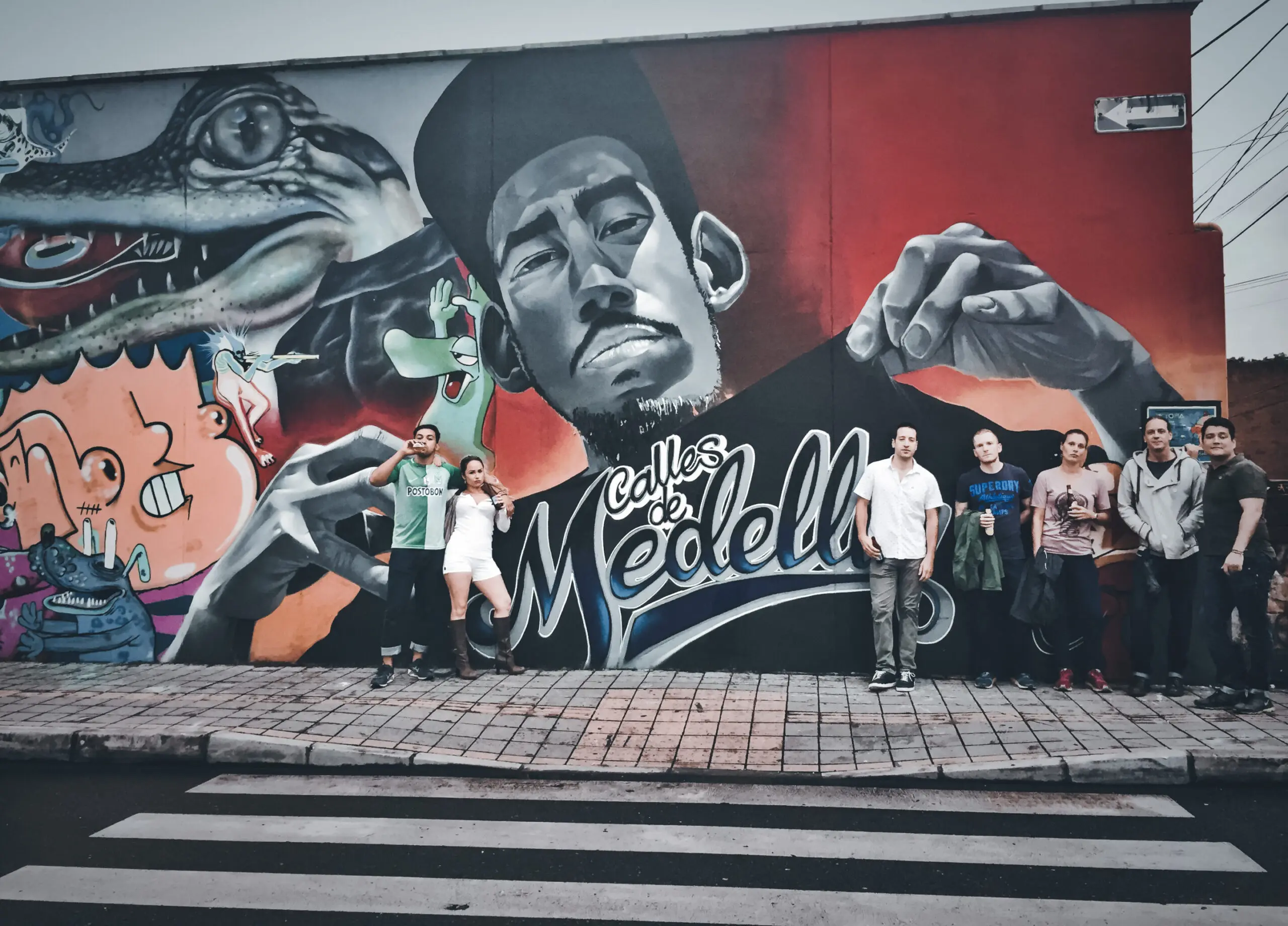
I walked home alone at night. I knew the guys who parked cars on my street, the construction workers on the corner, the local police.
And here’s the other truth: Medellín has changed, and I can’t in good conscience tell you it’s the same city I fell in love with. So let me give you the honest version — the numbers, my experience, and exactly who needs to be careful.
Is Medellin, Colombia safe in 2026?

The number that surprises people: in 2024, Medellín recorded its lowest homicide rate in 82 years — 11.04 per 100,000 residents (ColombiaOne). To put that in perspective, that’s lower than Baltimore (~59 per 100,000), Memphis (~49), and a long list of major U.S. cities.
The Medellín of Escobar-era headlines is genuinely gone.
The real risk isn’t violent crime — it’s petty theft.
El Poblado alone logged nearly 11,829 theft-from-person cases between 2020 and 2024, and reports estimate around five people a day are robbed at gunpoint in El Poblado (Medellín Advisors). Phones, wallets, watches — I’ve seen them all snatched, and this is the crime you’re actually likely to brush up against.
The caveat: the U.S. keeps Colombia at a Level 3 “Reconsider Travel” advisory (U.S. State Department), largely for regions far from the tourist trail. Medellín the city is not the Colombian countryside the advisory is most worried about.
My experience actually living there
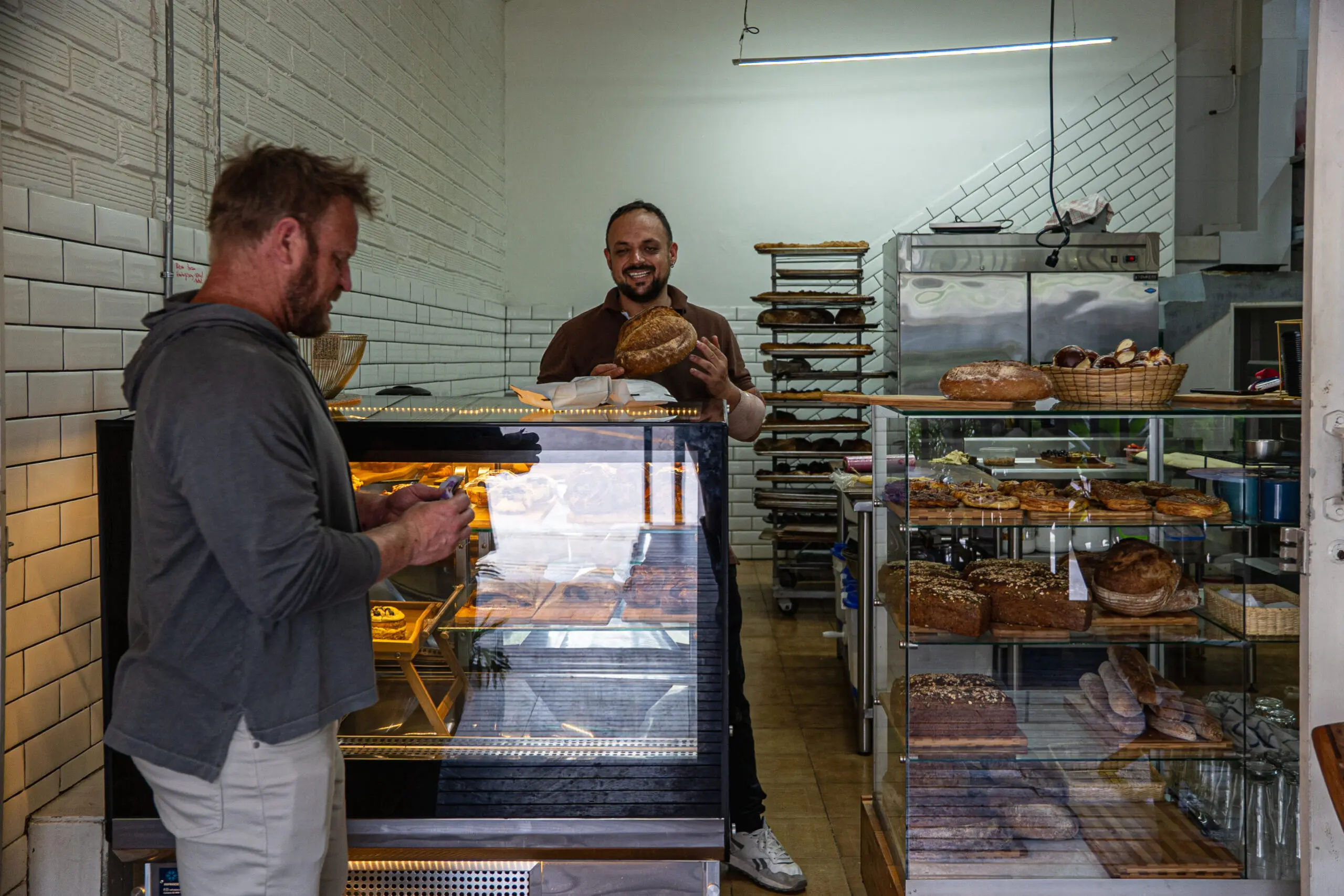
I lived in El Poblado — which is the bubble of sorts, but a different type of bubble now than it was pre-pandemic.
It was the leafy, expat-and-money part of town; and it was incredibly safe when I lived there. I walked by myself at night constantly and never once felt in danger. The rhythm of the neighborhood felt protective: you say hi to the parqueadero guys, you’re a regular at the same tienda, people know your face.
Was there crime? Of course. Petty theft is 100% a thing — I saw plenty of people get their phones thirfted out of their pockets. And El Centro, the downtown core, is a completely different animal from Poblado. But violent crime, in my world, in my neighborhood, back then? It wasn’t really part of the story.
What’s changed since the pandemic

To be honest, when I go back now, El Poblado feels like a different place.
There’s a lot more riffraff, a lot more sex tourism, prostitutes on corners where there weren’t before.
You have to watch yourself in a way I never used to.
The neighborhood after dark feels like an outdoor club. You’re not in like, clear & present danger or anything, but it’s most definitely not relaxing anymore. And it’s kind of gross with all the passport bros looking for hoes.
The numbers confirm the shift. In just the last two months of 2023, the U.S. Embassy reported eight American citizens died in Medellín under suspicious circumstances — many after meeting someone on a dating app, then being drugged (CNN). Thefts against foreign visitors reportedly jumped around 200% (U.S. Embassy Bogotá).
The weapon in some of these cases is escopolamina — “Devil’s Breath” — a drug that hypnotizes you so that you’ll empty out your bank account and your apartment because a stranger asked you to and, in high doses, can kill you.
When I lived there, escopolamina was almost folklore from the past.— the thing that happened to my Colombian friends’ grandfathers back in the day. Now it’s happening to visitors, in real time, and some of them aren’t waking up.
In March 2026, Eric Gutiérrez, a 32-year-old American Airlines flight attendant, disappeared during a Medellín layover; his body was found days later in a river in Antioquia, in what investigators believe was a scopolamine robbery gone wrong — his coworker was hospitalized with suspected poisoning on the same trip (NBC News). It made national headlines, and it wasn’t an isolated case.
Who needs to be the most careful
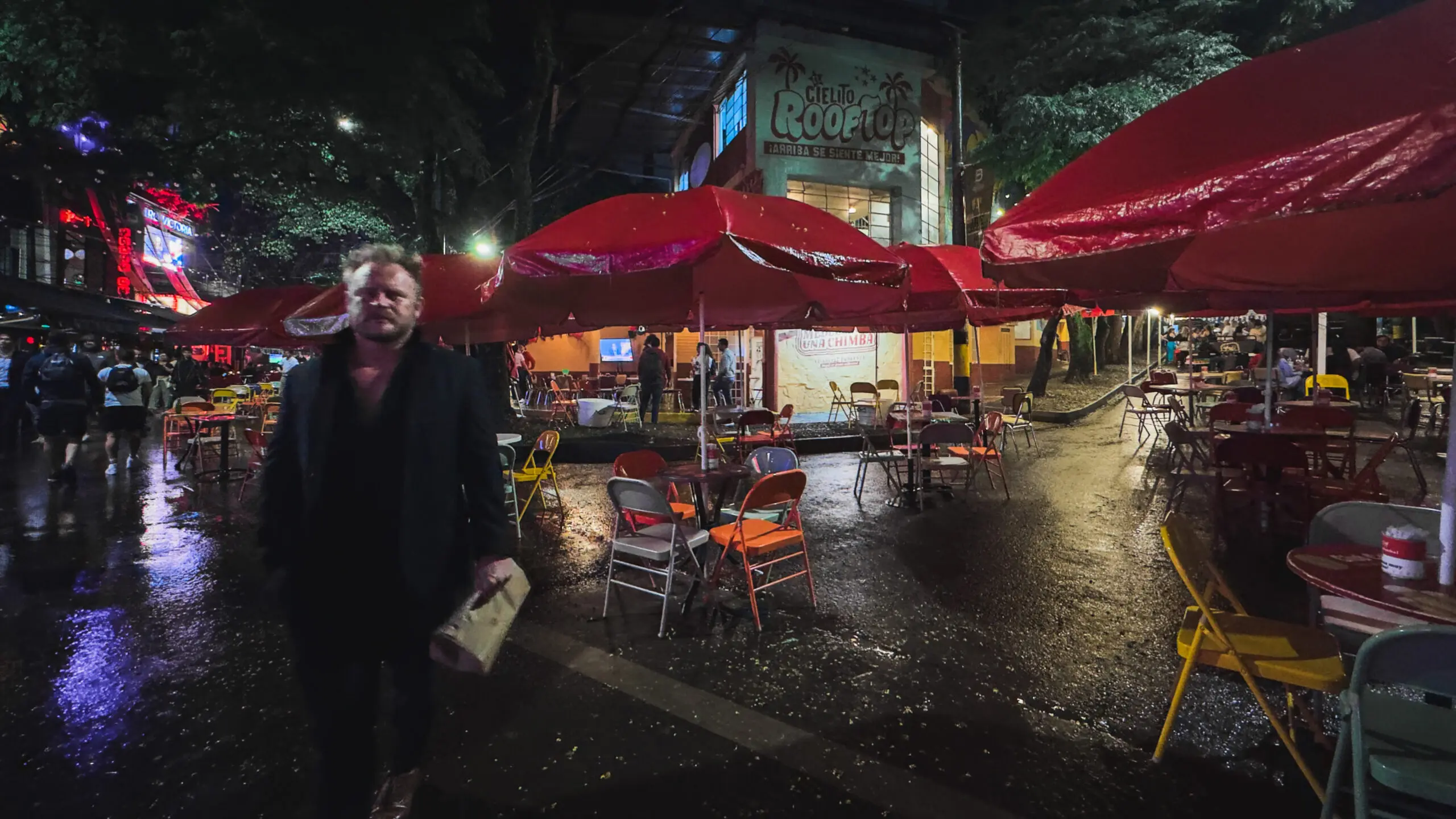
Let me be blunt, because it might save someone’s life: the people ending up drugged, robbed, and occasionally dead are overwhelmingly men who came to Medellín for the cocaine and the sex. The pattern is almost always the same — a dating-app or street match, a drink, and then nothing until you wake up (if you wake up) with your accounts drained.
If that’s the trip you’re planning, this is the part where I tell you it’s genuinely dangerous now, and no amount of “but it was fine for me” applies to you.
A scam even we fell for
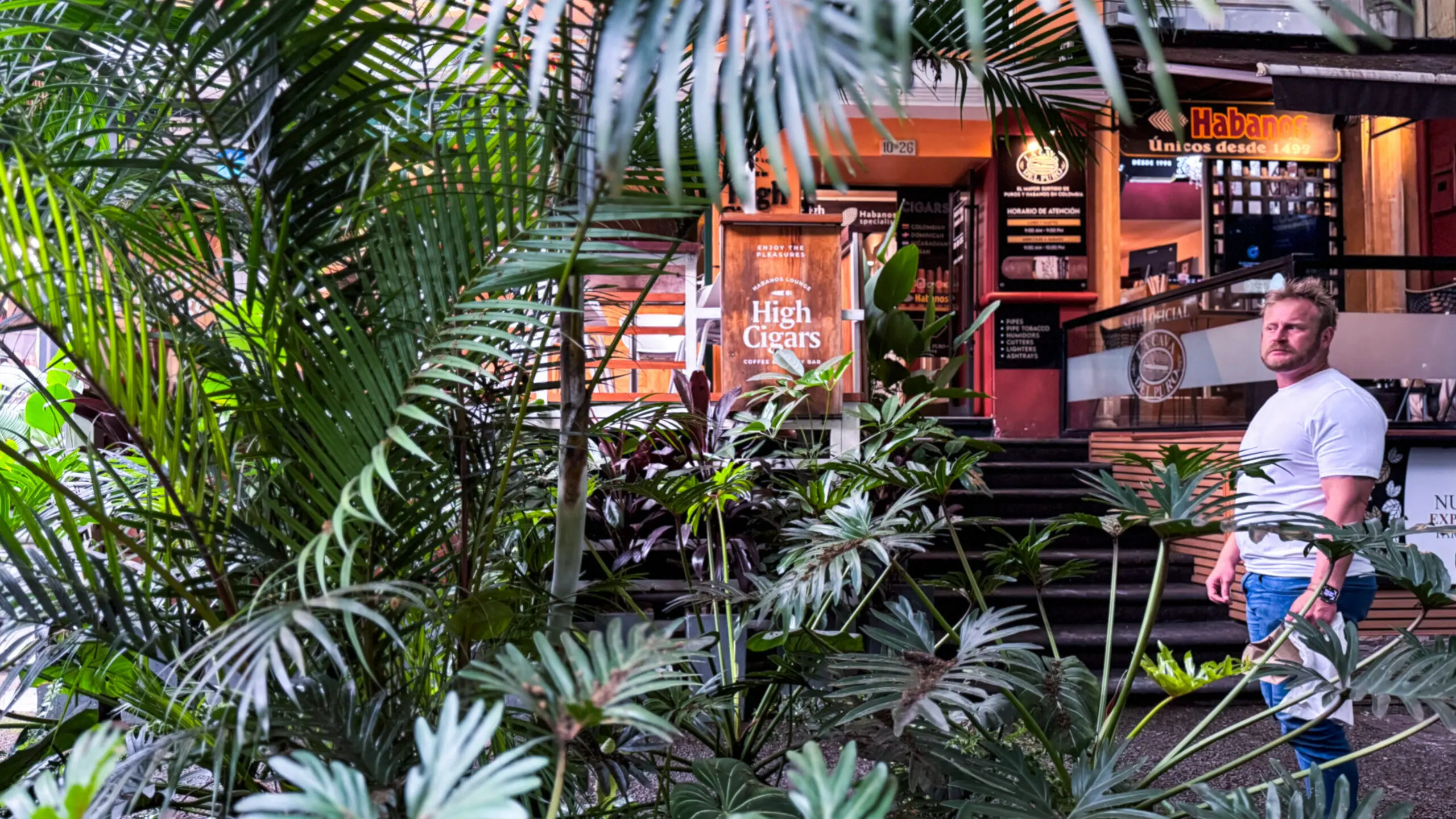
I’ll tell you the story of what happened to me in 2023, after I survived living there for 3 years without having anything stolen from me – except 1 iPhone in 2018.
After my husband and I got married in Cartagena in 2023, we did a honeymoon with 26 of us in Medellín after the wedding. One night it started jungle raining and my husband hopped in a taxi and left his phone when he got out.
We could see it on Find My iPhone, and the driver hadn’t even noticed it yet. But at the exact moment I was tracking it with the Find My app, a message popped up that looked identical to a Find My iPhone push notification. It wasn’t Apple — it was a phishing push from the browser, timed perfectly. I typed his passcode in. That was all they needed.
Within minutes they were into his bank, his email, his crypto — everything. He had to open new bank accounts (so did his company), freeze his credit, and we spent the last two days of our honeymoon hunched over borrowed laptops doing damage control. They only got about $2,000 in the end, but the stress was enormous.
The lesson: your phone is the real prize, and the digital scam that follows a theft is often scarier than the theft itself.
How to actually stay safe in Medellín

- Don’t dar papaya. This local dicho literally means “don’t give them papaya” — don’t flash the phone, the watch, the wad of cash. Opportunity is most of the crime.
- Skip the dating-app meetups, or at minimum never go back to a stranger’s place and never let a match pick the venue. This is the single biggest risk right now.
- Watch your drink like a hawk – and be wary of people getting too close to your face. Never leave your drink, never accept an opened one. And remember that escopolamina can be blown into your face.
- Take Uber or a booked car, rather than a random street taxi, especially at night.
- Keep El Centro to daytime, ideally with a guide or a group.
- Keep one card and some cash on you, the rest at home. If you do get robbed, you hand over a little and walk away. Whenever I got to a sketchy place, I try to put some bills in my shoe.
- Don’t put your iPhone code into your phone in public. People who steal phones will wait until they see you type your password in so that they can unlock it immediately before you even know it’s gone – use your face scanner.
- Never type your passcode or Apple ID into a link or popup — especially right after losing a phone. Thieves fire off fake “Find My iPhone” messages to steal your logins (this is exactly how they got us). If your phone’s gone, assume a phishing attempt is already on its way.
So, is Medellín safe?

https://courtneymuro.com/is-colombia-safe/For the traveler who’s there for the food, the mountains, the coffee, the Metrocable, and the culture? Yes — safer, by the numbers, than it’s ever been, and safer than plenty of U.S. cities.
For the traveler chasing the party-and-hookup scene that’s fueling the tourist-crime spike? Honestly, not really.
Come with street smarts and the right intentions and Medellín will give you one of the best trips of your life.
Headed to the Caribbean coast next? Here’s the honest take on whether Cartagena is safe.
To read about safety in Colombia, generally, click here.
Keep exploring Colombia

The safest cities in Colombia
Which cities are actually safe, where to be careful, and how safe Colombia really is right now.
Read it →
21 best restaurants in Medellín
From Michelin-level tasting menus to street-food legends — where to eat in every neighborhood.
Read it →
45 coolest things to do in Medellín
The best of the city — from Comuna 13 and Guatapé to coffee tours, cable cars, and rooftop nights.
Read it →As always, if you have any questions or want specific recommendations leave them in the comments and I’ll respond.
If you want to message me privately, I’ll respond on Instagram @The.HauteBohemian
This blog may contain affiliate links. If you make a purchase through these links, I may earn a commission at no additional cost to you.
This helps support the blog and allows me to continue creating content. Read my fulldisclosure for more info and thank you for your support.
Frequently asked questions
Is Medellín safe to visit in 2026?
Yes, for the ordinary traveler. Medellín's 2024 homicide rate was its lowest in 82 years, and violent crime is far from the tourist areas. Petty theft is the real everyday risk, and there's been a rise in tourists being drugged and robbed — almost always tied to dating apps and buying drugs.
Is El Poblado safe?
El Poblado is the safest, most visitor-friendly area and where most travelers stay. That said, it has changed since the pandemic — more nightlife-driven crime and street hustling — so keep your phone put away and stay aware at night.
Is it safe to live in Medellín?
I lived there three years and felt safer day-to-day than in many US cities. As a resident you learn the rhythms, avoid El Centro at night, and don't flash valuables. The biggest risks for foreigners are petty theft and drug/dating-app scams, not random violence.
Is Medellín safe for solo female travelers?
Generally yes, with normal big-city street smarts. Stick to El Poblado and Laureles, use Uber at night, watch your drink, and skip meeting dating-app matches at your hotel. Solo women report feeling comfortable; the recent serious incidents have mostly targeted men.
What is scopolamine (Devil's Breath)?
Scopolamine, or "Devil's Breath," is an odorless, tasteless drug thieves use to sedate and rob victims. It can knock someone out for up to 24 hours and, in large doses, be fatal. It's usually slipped into a drink or given via a spiked date, so never leave your drink and be wary of strangers who approach you.
Is Medellín safe at night?
El Poblado, Provenza, and Laureles are fine at night with normal caution. Take Uber rather than street taxis, keep your phone hidden, and avoid El Centro after dark. The trouble at night clusters around the drug-and-hookup scene, not ordinary going out.
0 Comments