

Rent, buy, or finance?
Buying a Car for Your Australia Road Trip: A Guide to Car Finance
Some trips you just can’t do from the back of a rental. If you’re planning a months-long road trip through

Australia or New Zealand — a working holiday, van life, or a big loop around the coast — sooner or later you hit an un-glamorous decision: keep renting, or buy your own car?
Here’s what most first-timers don’t realise: for a long trip Down Under, buying is often cheaper than renting — and if you play it right, you can sell the car at the end for close to what you paid. Sometimes more. My friend Chrissy’s brother and his mates bought a car, drove it around for a month, then sold it for more than they’d paid for it. My sister-in-law did the exact same thing. That’s not a fluke — it’s a well-worn move for travelers doing long stints in Australia and New Zealand.
If you’ve got the cash for a cheap runaround, brilliant. But for a newer, more reliable car — the kind you’d actually trust across the Nullarbor — plenty of travelers finance it instead. And that’s where it pays to understand how car finance works before you sign anything.
Australia’s car finance market is competitive — major banks, credit unions, and specialist lenders all offer slightly different products. That’s good for you, but it means the decision isn’t simple. This guide walks through exactly how it works, from how loans are structured to what actually matters when you compare lenders.
How does car finance actually work in Australia?

Most car finance in Australia is secured — the car itself acts as collateral for the loan, which usually means a lower interest rate than an unsecured loan. Loans typically run over 3-to-5-year terms, with fixed or variable rates depending on the lender.
Australian buyers commonly weigh dealer finance against independent lenders before committing. Dealer finance is convenient, but it isn’t always the cheapest or most flexible option once you look past the headline rate.
Step 1 — work out your budget first

Before you start looking at cars, work out what you can realistically afford. Go beyond the sticker price and include:
- Your current income, and how consistent it is.
- The deposit, if one’s required — some lenders ask for none, others expect 10–20%.
- Monthly repayments weighed against your total income and expenses.
- Ongoing costs — registration, insurance, and fuel — on top of the loan repayments.
- Total interest over the full term, not just the monthly figure. A longer term can look cheaper each month while costing more overall.
Step 2 — understand your credit position

Australian lenders assess applications differently depending on your credit history, income type, and employment status. A strong credit score generally earns better rates, but it isn’t the only factor — many will work with buyers who have a patchy credit history, inconsistent income, or a shorter employment record than a traditional bank prefers.
Check your credit report before you apply, so you know what a lender will see. And if your history isn’t spotless, that’s not a dead end — several specialist lenders cater to exactly those circumstances.
Step 3 — compare lenders, not just rates

The advertised headline rate is only part of what you’ll actually pay. When you compare car finance options in Australia, also check:
- Whether the rate is fixed or variable
- Whether a deposit is required
- Whether both dealer and private sales are covered
- Early repayment or exit fees
- How quickly funds are released once you’re approved
For buyers comparing options, reliable car finance in Australia is available, with lenders offering fixed rates, no-deposit options, and funding for both dealer and private purchases through a fully online application. Look at the structural details, not just the headline rate — and only borrow what you can comfortably repay.
Step 4 — get the car checked properly
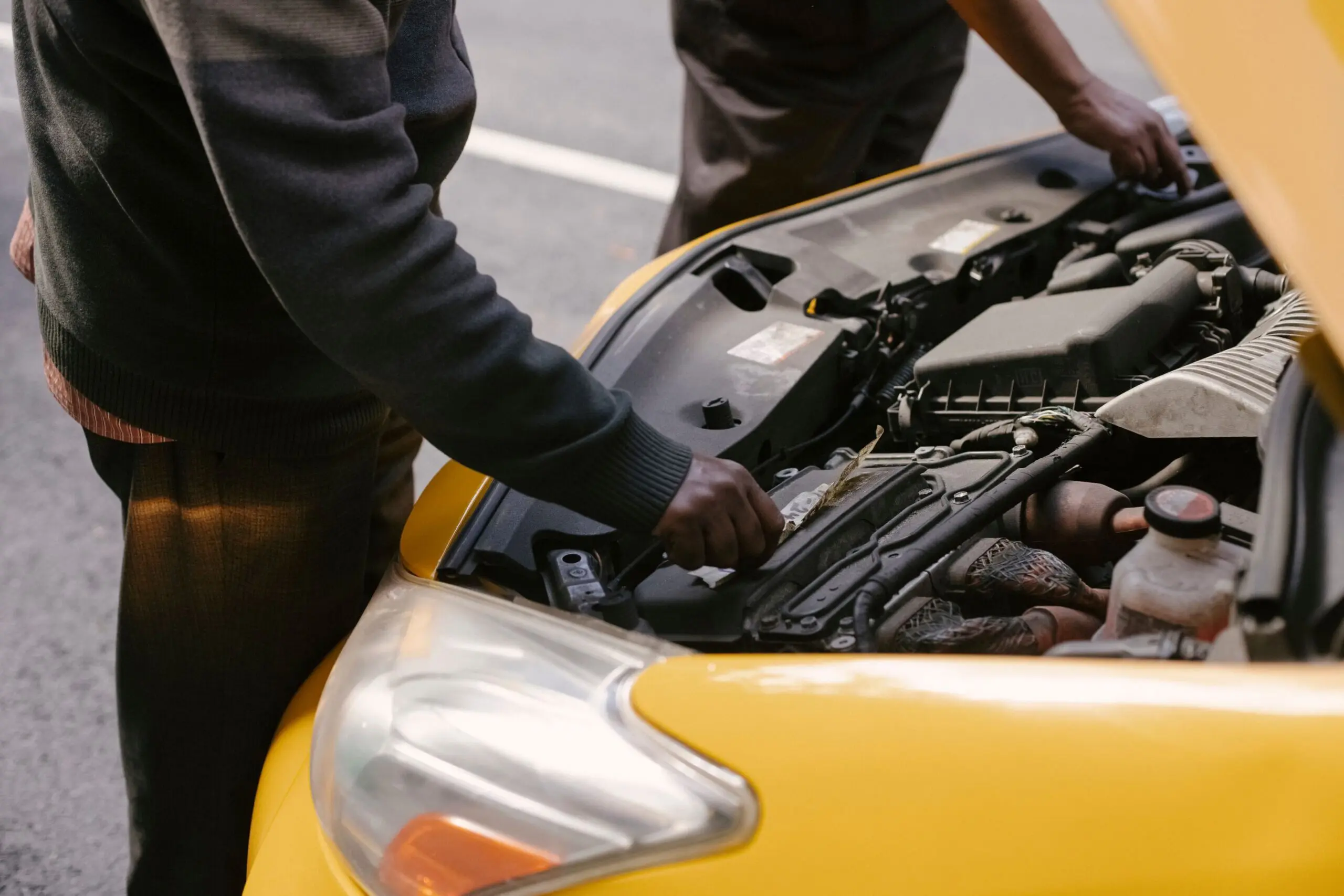
Wherever you buy, the fundamentals of inspecting a used car don’t change: check the vehicle history, get a mechanical inspection, and compare the price against similar listings. In Australia specifically, run the car through the Personal Property Securities Register (PPSR) to confirm it isn’t still owing money to a previous lender before you finalise the purchase.
How This Compares to Other Instalment Finance
If you’re used to instalment-based buying schemes for other purchases, like the phone financing model explained in this guide on EasyBuy phone loans, car finance in Australia works on a similar underlying principle: you get access to the asset now and repay it in structured instalments over time. The key differences are scale, the presence of formal credit checks, and the legal weight of the loan contract, since a car loan is a far larger and longer commitment than most consumer instalment plans.
Final thoughts
Before you sign a car loan, weigh your budget, your credit position, and the total cost — not just the monthly repayment. Compare a few lenders properly instead of taking the first offer, and financing your next car (or your Australia road-trip wheels) stays straightforward rather than stressful.
This is a partnered guest post. It contains sponsored links, and The Haute Bøhemian earns a fee from this placement. All recommendations are the contributor’s own.
More trip inspo

10 things to know before Japan
Cash-only restaurants, unspoken train rules, and vending machines that solve problems you didn't know you had. Prep before you go.
Read it →
Your Thailand travel guide
The best time to go, real costs, which islands to pick, and how to get around. Everything to plan your trip in one place.
Read it →
Driving Highway 1 to Big Sur
One of the great coastal drives on the planet. How to do it as a first-timer, with Pacific Grove as your home base.
Read it →As always, if you have any questions or want specific recommendations leave them in the comments and I’ll respond.
If you want to message me privately, I’ll respond on Instagram @The.HauteBohemian
This blog may contain affiliate links. If you make a purchase through these links, I may earn a commission at no additional cost to you.
This helps support the blog and allows me to continue creating content. Read my fulldisclosure for more info and thank you for your support.
0 Comments