

It's not all sushi and sake...
10 Things to Know Before You Travel to Japan
Flying to Japan soon? Does the thought of exploring this foreign
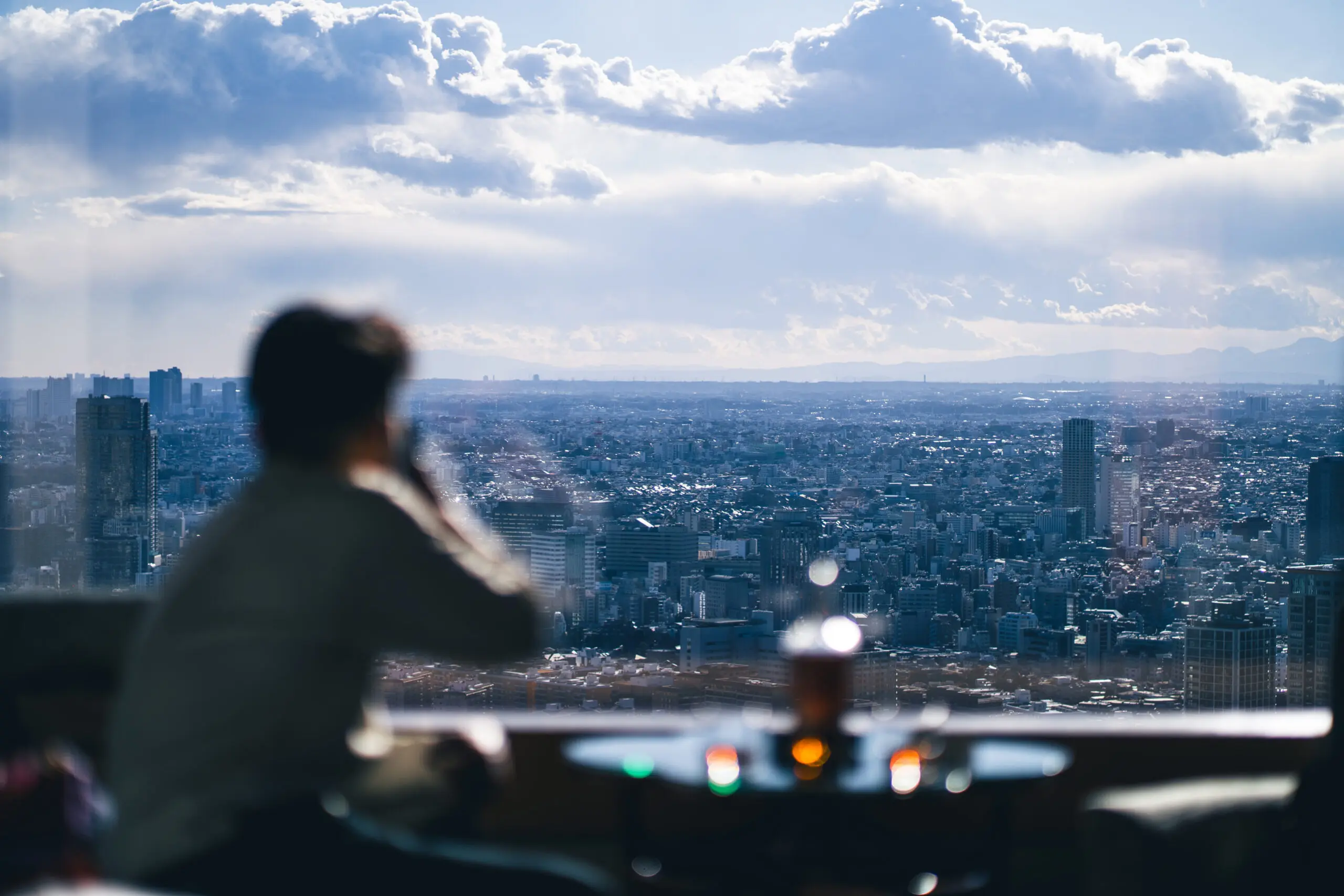
country thrill you and scare you at the same time? If so, we’d like to remind you that you’re not alone.
Travelling the world can be an enriching experience for most people, but it can also quickly turn into a disaster if you’re not adequately prepared to take on the adventure.
This is especially true if your country of choice is Japan, as the way things work around the country can be completely foreign to most outsiders. Not everyone you come across in the streets of Japan can speak English, so it’s essential to plan
things far in advance to ensure that your trip won’t be bogged down by preventable problems.
The good news? There’s a plethora of well-documented resources out there that make it easy for even first-time travellers to take on this humongous task and make it out scot-free and enriched—including this guide. If you’re curious to learn about what to do before you set foot in Japan, then you’re in the right place.
This article will highlight ten things you should know before travelling to Japan. Let’s jump right into it!
So what are the 10 things to know before you travel to Japan?
FUNDAMENTALS
Secure Your Travel Documents
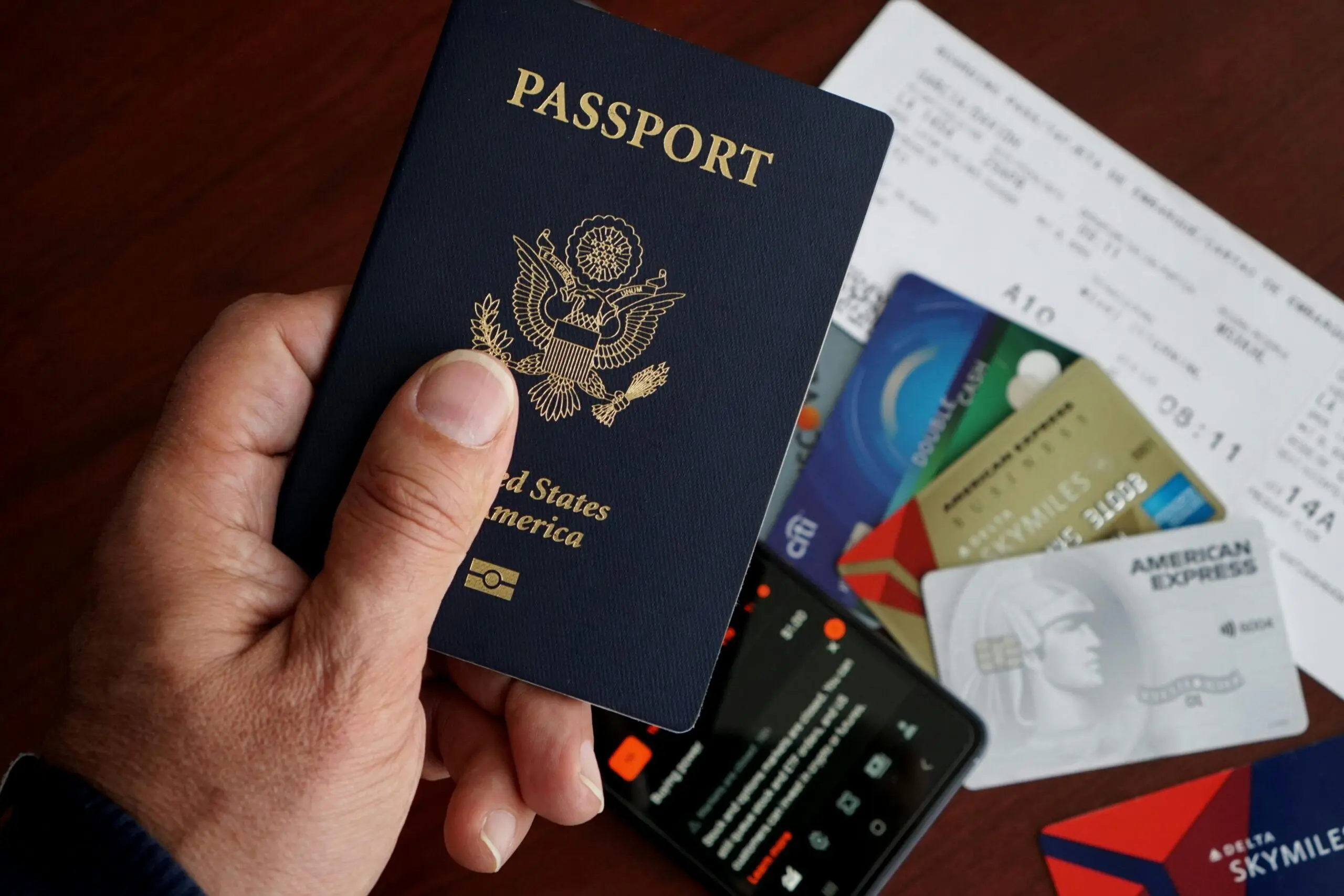
Before you start planning your dream itinerary to Japan, it’s first crucial to handle all the travel-associated logistics beforehand. These travel-related administrative requirements need to be sorted out in order to get you on an aeroplane bound for the country in the first place.
It’s essential to prepare these things and have them ready for yourself and any dependent who may come along on the trip. These travel documents mainly include your passport with a valid expiry date, travel insurance, hotel bookings, and any documentation pertaining to familial relationships.
Moreover, you should also get the appropriate visa to Japan if you’re travelling for purposes that are not covered by visa-free entry, such as long-term study, work, business assignments, or an extended stay.
The reason why you need these things is simple: they’re what immigration officers need to verify your identity and track your movement. They do this to enforce border movement, and this exists in both your country and in Japan for security purposes.
Besides having original copies, you should also have copies of these documents digitally stored on your phone in case of emergencies. Send them to your companions as well so that they can access these things and show them when they’re lining up for immigration.
By handling these documents responsibly, including applying for them as early as possible, you won’t have to worry about scrambling for them in the days leading up to the Japan trip. Just be sure to also secure these documents with you in one organised and centralised space in your person throughout the trip.
Keep in touch>
Get Internet Connectivity

Another essential thing you should know before heading out to Japan is that Internet access is crucial to getting around. Japan can be quite difficult to navigate for foreigners, whether it’s in the busy districts of Shinjuku or the countryside towns near Mt Fuji.
As this is the case, many travellers opt to have a plan to stay connected to the Internet throughout their stay in Japan. There are multiple options for this, and many travellers choose either a travel eSIM, a physical SIM card, or a pocket Wi-Fi device.
An eSIM, like Saily’s Japan eSIM, is convenient as you can activate mobile data without swapping out your physical SIM, provided your smartphone supports it. A physical SIM card may be best if you want to have a phone number where you can text and call local numbers. A pocket Wi-Fi device, on the other hand, can be useful if you’re travelling with family or multiple devices.
While Japan does have public Wi-Fi in areas like airports and convenience stores, they’re not the most reliable. Having your own Internet connection can give you more freedom to move around and check things like transport schedules and translation tools in real time without being restricted to a particular place.
Know how to get around
Get a Transport Card
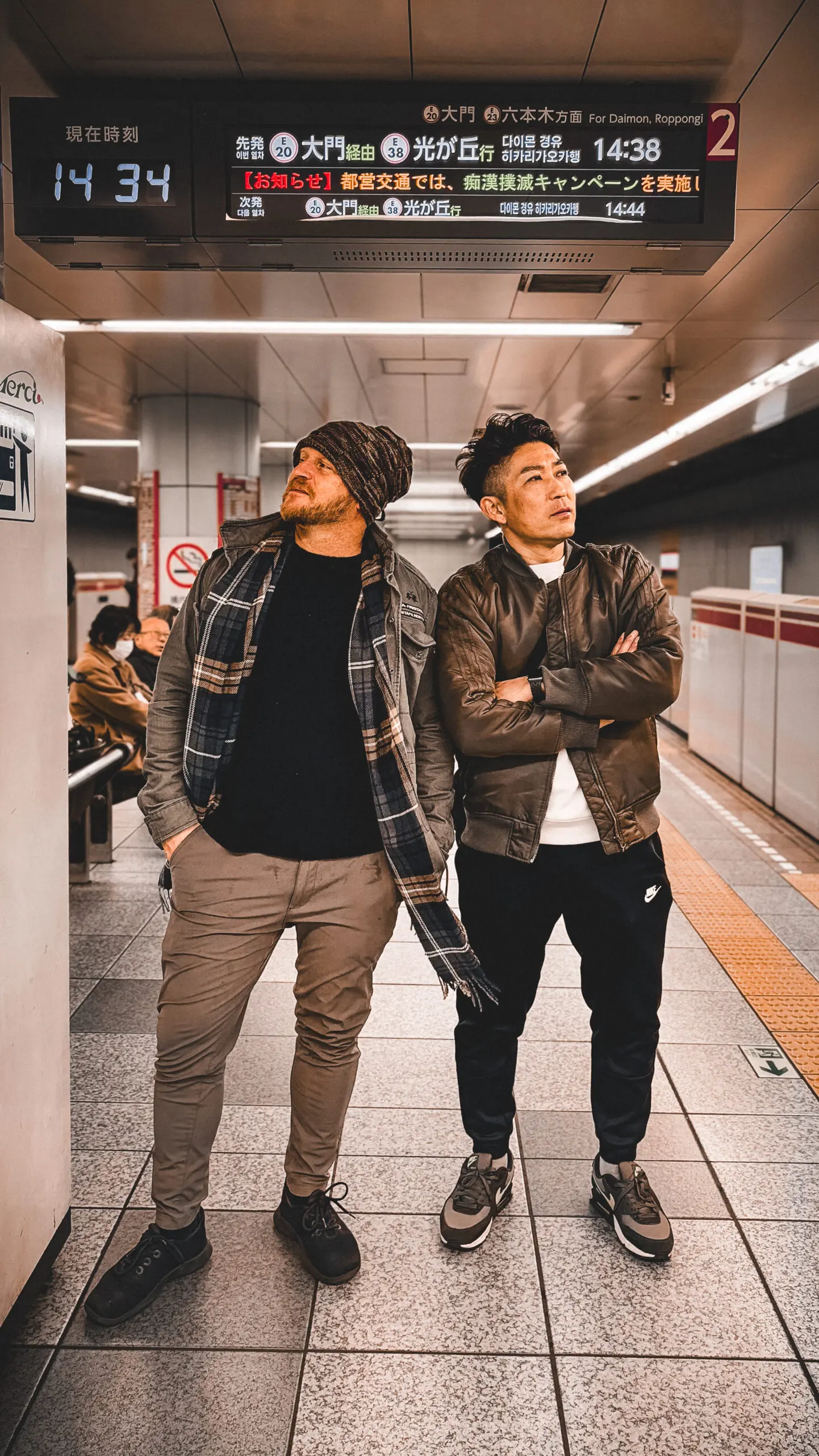
In Japan, you’ll most likely rely on public transportation to hop from place to place. Instead of buying a ticket for each individual trip, you can make your life easier by getting a transportation card and topping it up with the necessary funds to travel around the country.
Transport cards, also known as IC cards, are prepaid cards that you can tap on and off at train stations and buses. They can also be used to purchase things in convenience stores, vending machines, and some restaurants. Popular options include Suica, PASMO, and ICOCA. Each of them works across Japan; it’s just that some types are offered exclusively in the region you’re visiting.
If you have an Apple smartphone, however, you can download a digital Suica card before the trip and top it up with its mobile wallet. This can make it more convenient for you to get out of the airport and ride public transportation to your hotel immediately, as you won’t have to search for a card vendor and top up your card.
In any case, both the physical IC card and digital IC card can make your trip around Japan much smoother.
Be sure to arrange enough IC cards per person before your trip for added convenience. Moreover, research in advance whether your long-distance intercity travel requires a ticket reservation or not, as in most cases, they’re not exclusively covered by the IC card.
BEFORE YOU go
The Season Can Affect Trip Quality - A Lot!
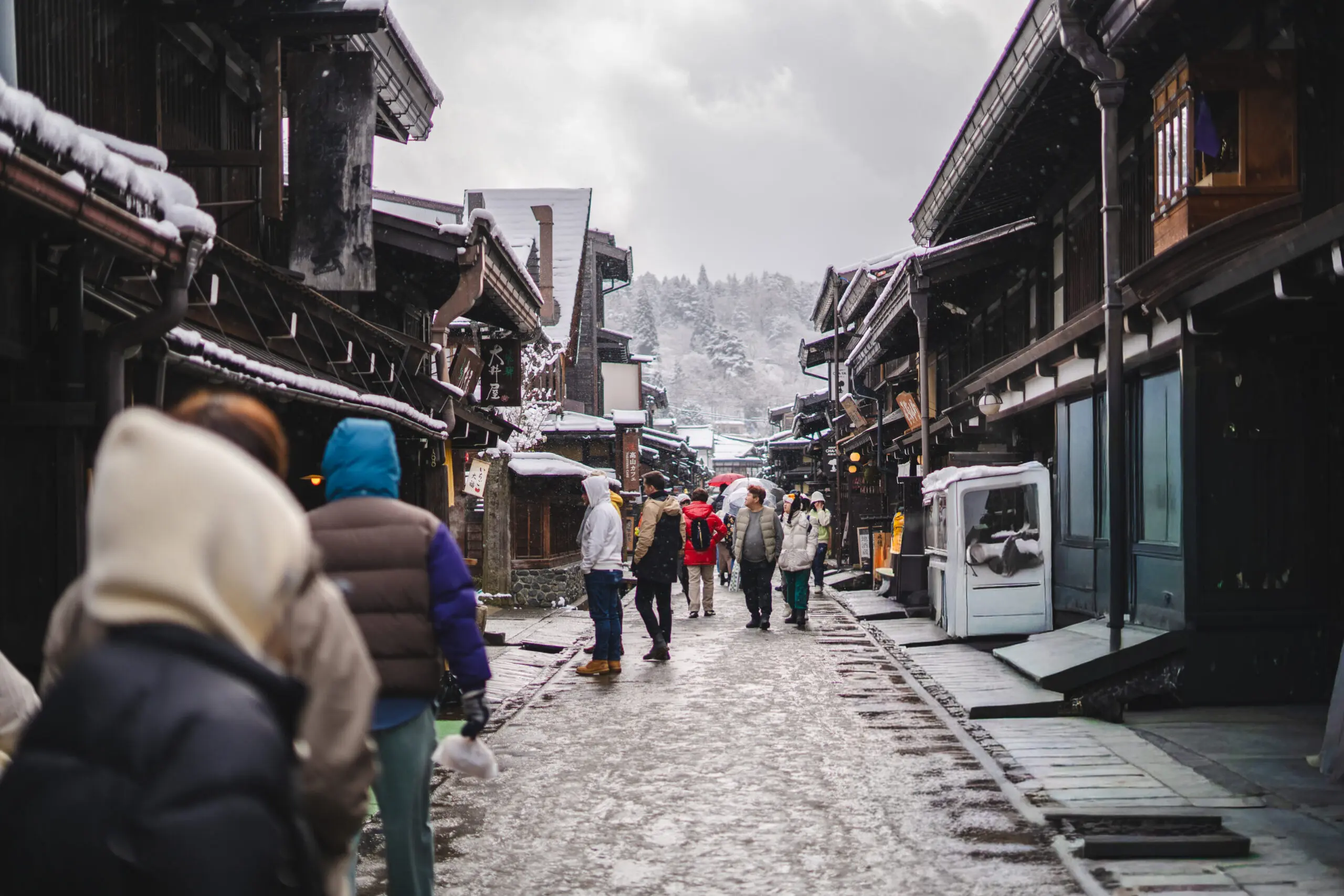
Japan is widely known for its beautiful sakura blossom season in early April and wintry slopes during the summer. And while these picturesque seasons and pleasant weather add to this country’s natural charm, it’s important to note that Japan’s temperature isn’t exactly an eternal spring.
Summers in Japan can be hot, humid, and rainy. You can feel drenched in sweat the moment you step out of a cooled space, and even public transportation, like trains, isn’t exempt from this pervasive heat.
Besides that, you can also feel extremely frigid temperatures in the northern regions of Japan during the summer. Blizzards are commonplace, and they can derail your travel plans if you’re not prepared for them.
Peak autumn and spring seasons tend to be the most pleasant times to arrive in Japan, but these months also bring in the most crowds. This heightened number of visitors increases the cost of hotel accommodations and the like, and this can add a dent to your overall travel budget.
As such, it’s important to be extra conscious of when you’re booking the trip. Do your research about the weather and climate of Japan during the month you’ll be visiting, and prepare the right clothing for it. This way, you won’t be in for a surprise the moment you touch down in the country.
THE REALITY CHECK, please!
Prepare Some Cash
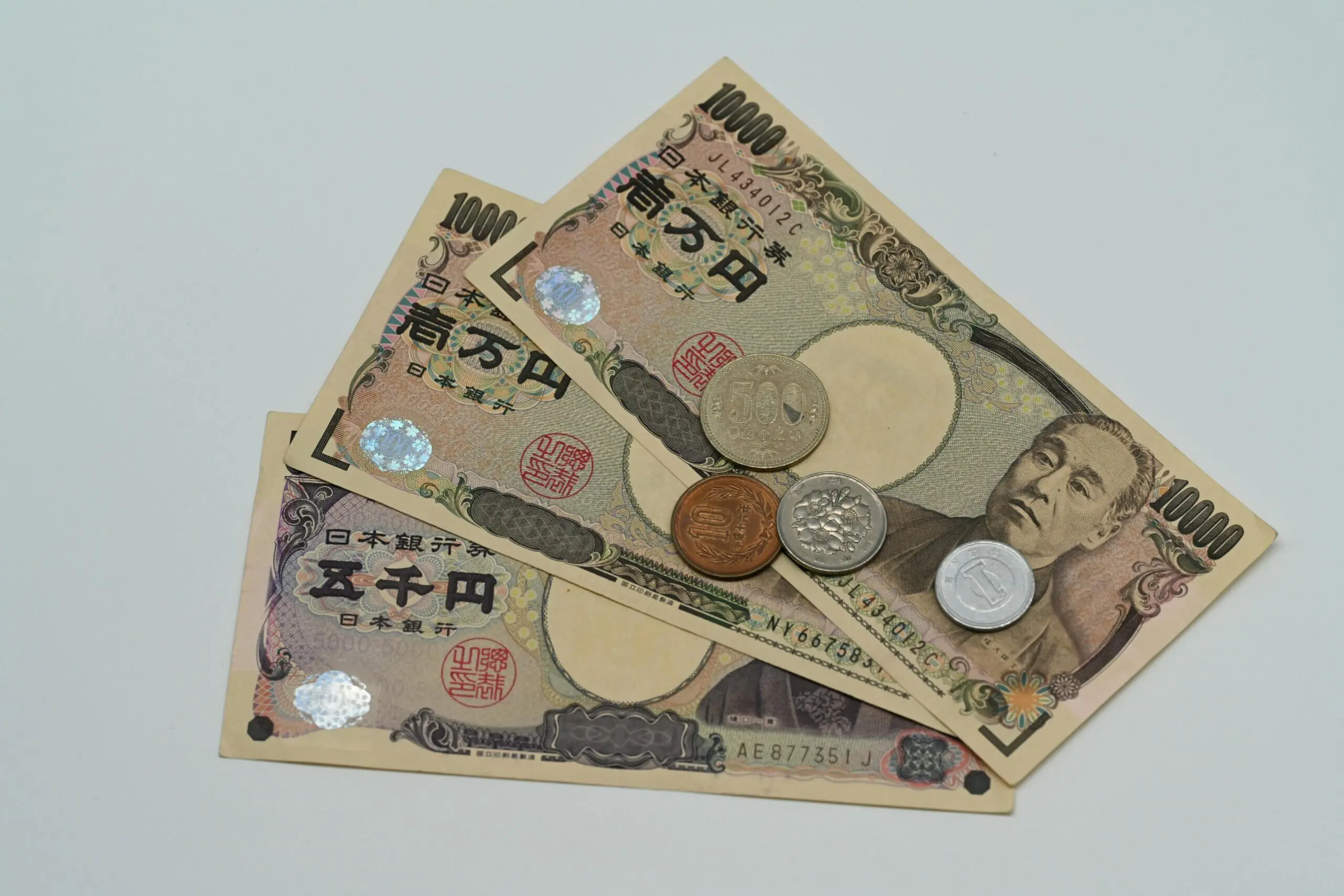
Another thing you must know before arriving in Japan is the fact that in some areas, only cash is accepted.
While you may be led to believe that Japan is a technologically advanced country with modern tools, there are still parts of Japan that don’t fully accept digital modes of payment, such as markets and IC card topping service stations.
As this is the case, it’s important to carry some Japanese yen with you throughout your trip, especially when visiting smaller shops, traditional restaurants, temples, markets, and older establishments.
You don’t need to bring entire wads of cash throughout the trip. But having some Yen with you to cover some expenses can make the trip much smoother.
The good news is that it’s relatively easy to get Japanese currency when you touch down in the country. You simply have to look for an ATM in convenience stores like 7-Eleven and FamilyMart and withdraw using their ATM. These machines have English language settings, so you won’t need to worry about getting lost in translation when withdrawing cash.
If you’re arriving in Japan late at night, then it’s also useful to get some Yen with you before arriving at your local airport. This way, you won’t have to get stuck and worry about closed exchange counters or airport ATMs that don’t accept your debit card.
where are we again?
Get Used to Google Maps
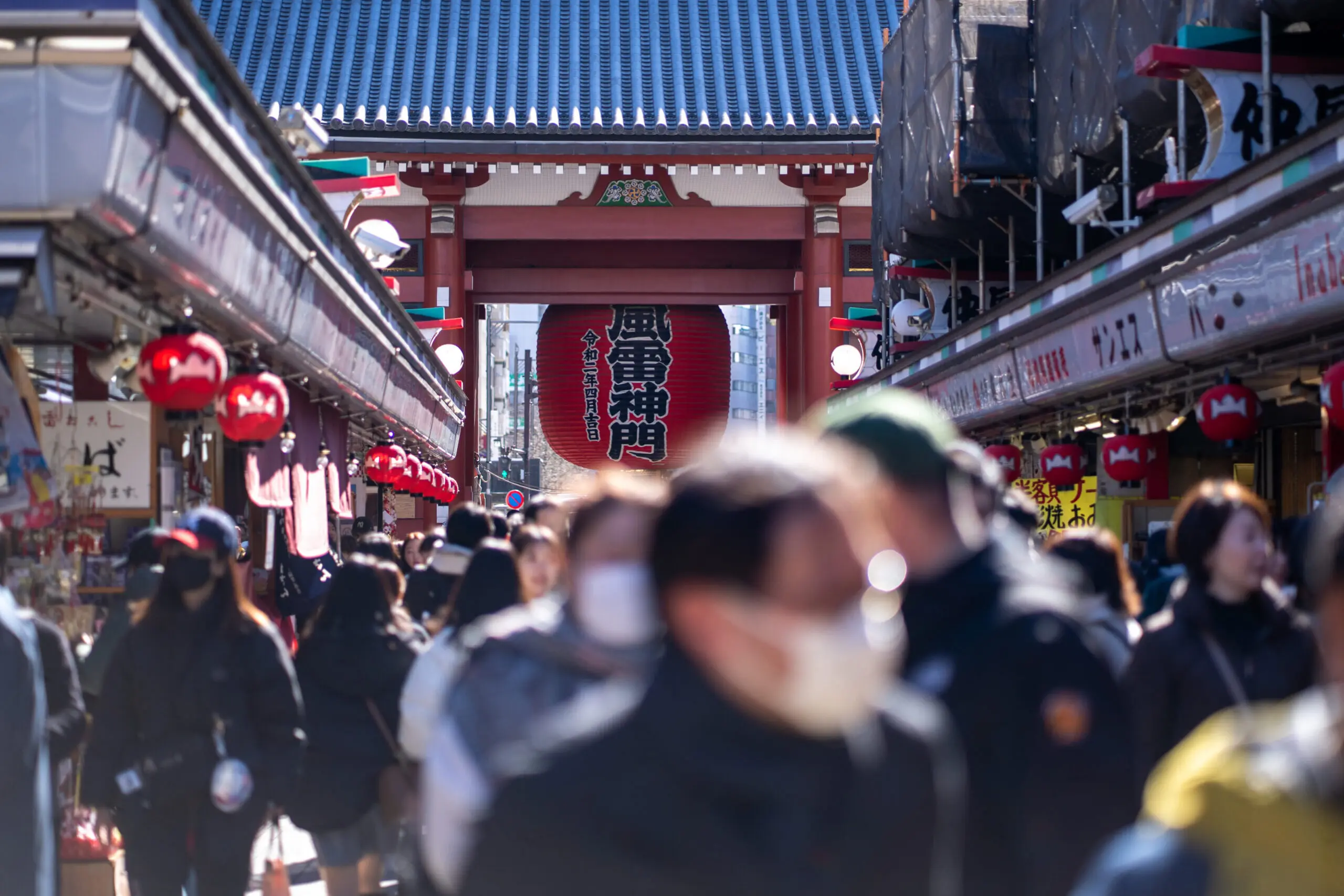
Another thing you should know before travelling to Japan is the optimal way to navigate around the country. Most people rely on Google Maps to help them get around from city to city and town to town.
The maps are fairly comprehensive and can even provide real-time information about train routes, bus routes, and business opening hours—making navigation and travel planning much easier to handle.
On top of that, Google Maps can also be downloaded offline, helping you access a means of navigation even if your mobile coverage doesn’t work. This can be a good last resort in case you’re stranded with no idea of where to go in the country.
There are a plethora of other useful features that Google Maps can also provide its users. For instance, users can save places and bookmark them in different folder categories, allowing them to prepare in advance the places they want to go to during their trip.
You can also edit stops and make a multi-route segment. You can also read reviews of other customers to get an idea of whether a particular venue is worth visiting or not.
In essence, Google Maps extends beyond just being a navigational tool, which is something it’s already excellent at. It also serves as a feature-rich resource that can make travelling across the country easier and more convenient, particularly if you’re connected to the Internet.
konnichi-what
Learn Basic Language Skills
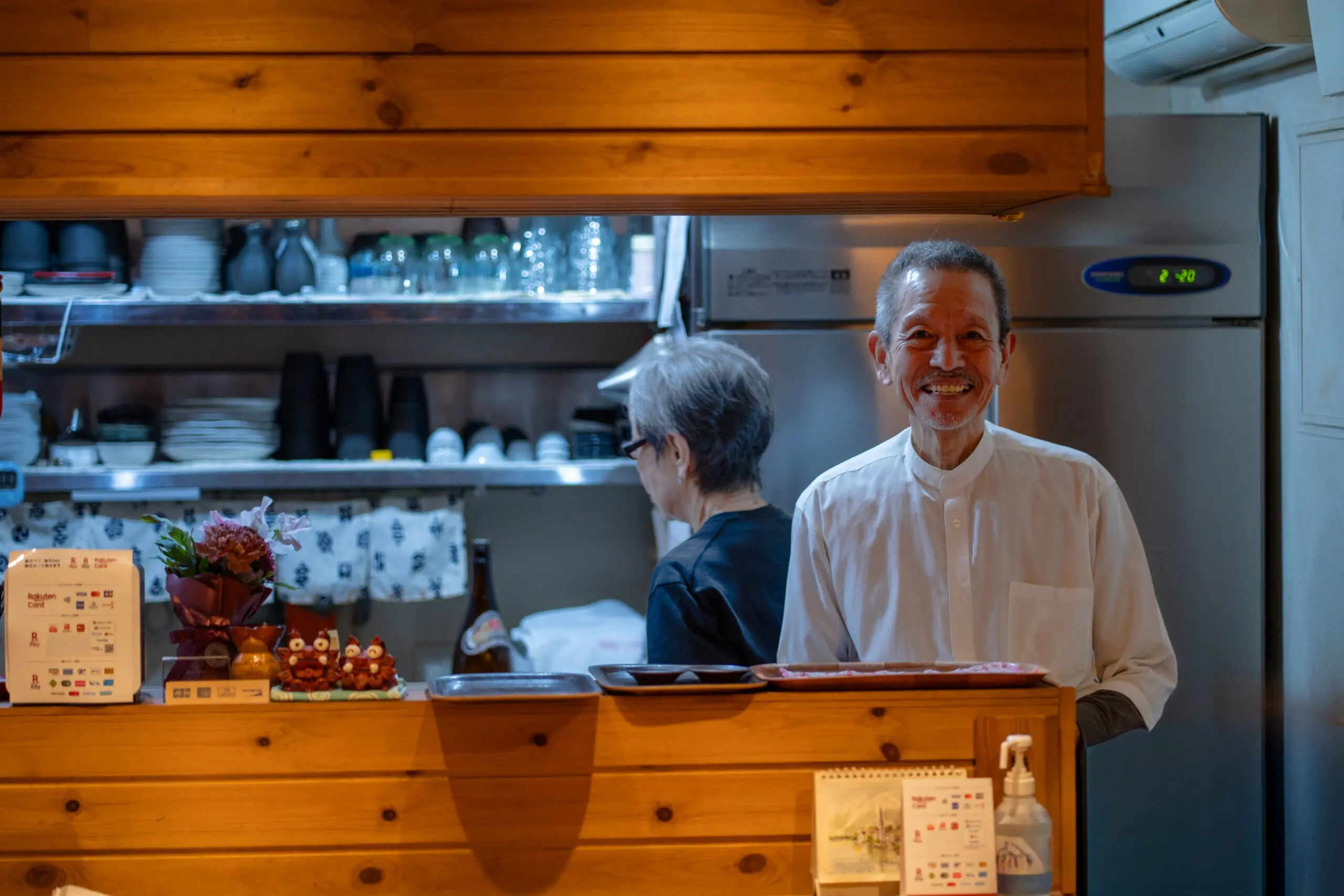
You don’t need to be fluent in Japanese to have a successful trip. However, you can make your experience much smoother by knowing some basic Japanese phrases.
For instance, you can learn the Japanese equivalents of words like “Hello,” “Thank You,” “May I ask for the check?”, “Please,” and “How much is this?” Knowing these words and phrases can streamline communications when you’re conversing with a Japanese person.
It can also make you appear friendlier and more interested in their culture, which is appreciated and can unlock new friendships. You shouldn’t worry about butchering your pronunciation; it’s the effort that counts.
Besides memorising some key phrases, it’s also worthwhile to have a translation app on your smartphone that can readily translate Japanese signs that you may come across during your trip. These apps can save you time and help you understand signposts, menus, and emergency text notices in a pinch.
In any case, preparing some useful expressions and keeping a translation app on your smartphone can be a good way to help you communicate in Japan. This can make you more confident in reaching out and talking to locals even amidst unfamiliar situations, which can vastly lead to a higher level of enrichment during your travels.
you're not the only one who wants to go to japan
Prepare for the Crowds
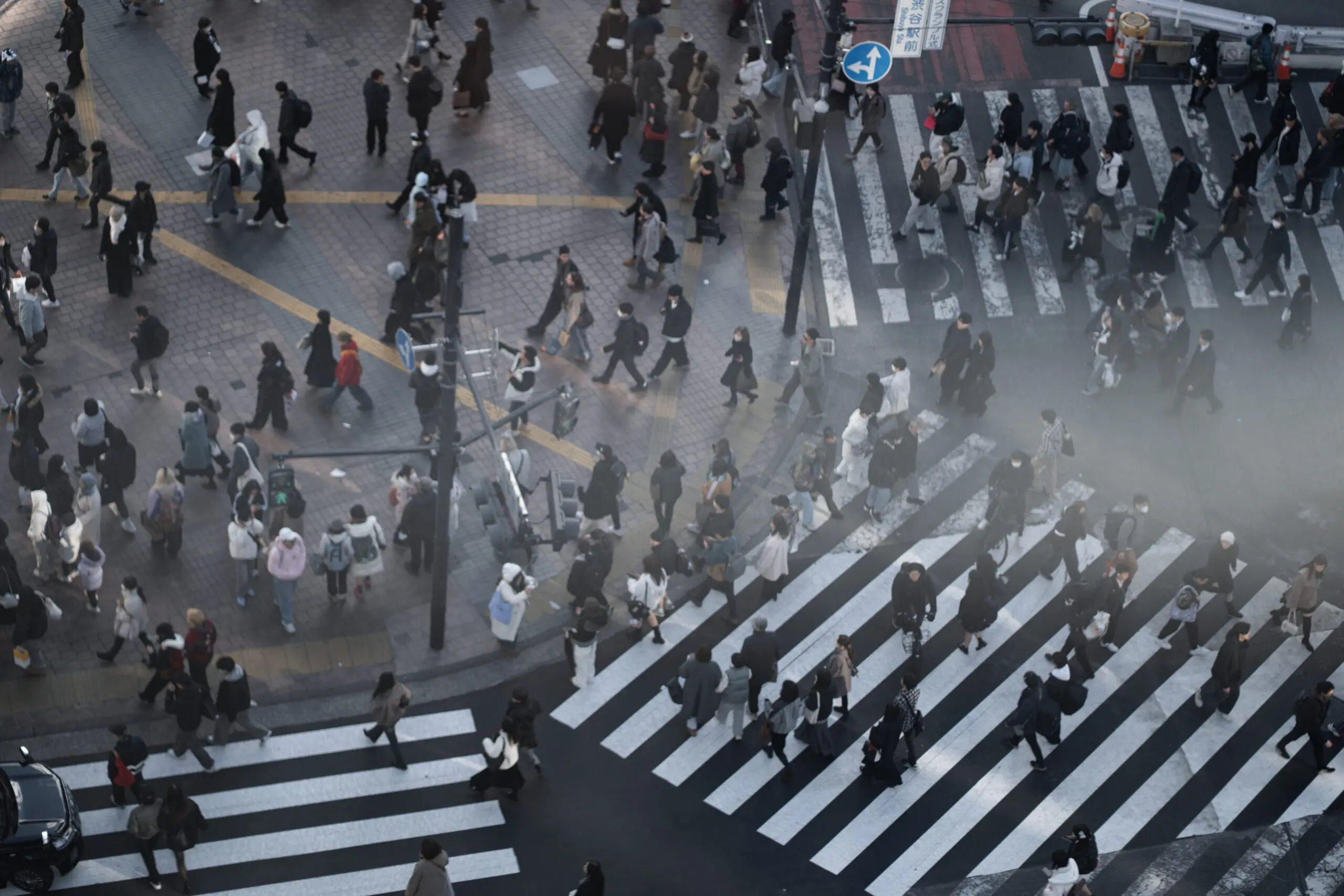
Let’s face it: everyone and their mother wants to go to Japan at some point in their lives, and the numbers reflect this. Tourism in Japan has been booming in recent years, and it’s not uncommon for major cities like Tokyo, Kyoto, and Osaka to be teeming with tourists during peak season. This is especially true in the more popular tourist areas within the city.
If you want to avoid the massive crowds or want to ensure that you can actually go to the place you’ve been intending to go, then you have to make preparations beforehand. For instance, instead of visiting popular attractions during the height of day, consider going during the early morning hours when things are quieter.
Furthermore, if you want to ensure that you have a spot in an attraction you’ve been meaning to go to, then make a reservation online to ensure that you won’t miss out on an entry during the day. You should also give yourself a buffer period when travelling to and from places to ensure that you won’t miss out on entry if travel time takes longer than expected.
It’s certainly possible to plan a Japan trip without encountering the hassle of last-minute problems and reservation mishaps. You just need to be proactive in avoiding the crowds and booking the right tickets to ensure that the trip proceeds smoothly as planned.
what to wear
Pack According to the Season
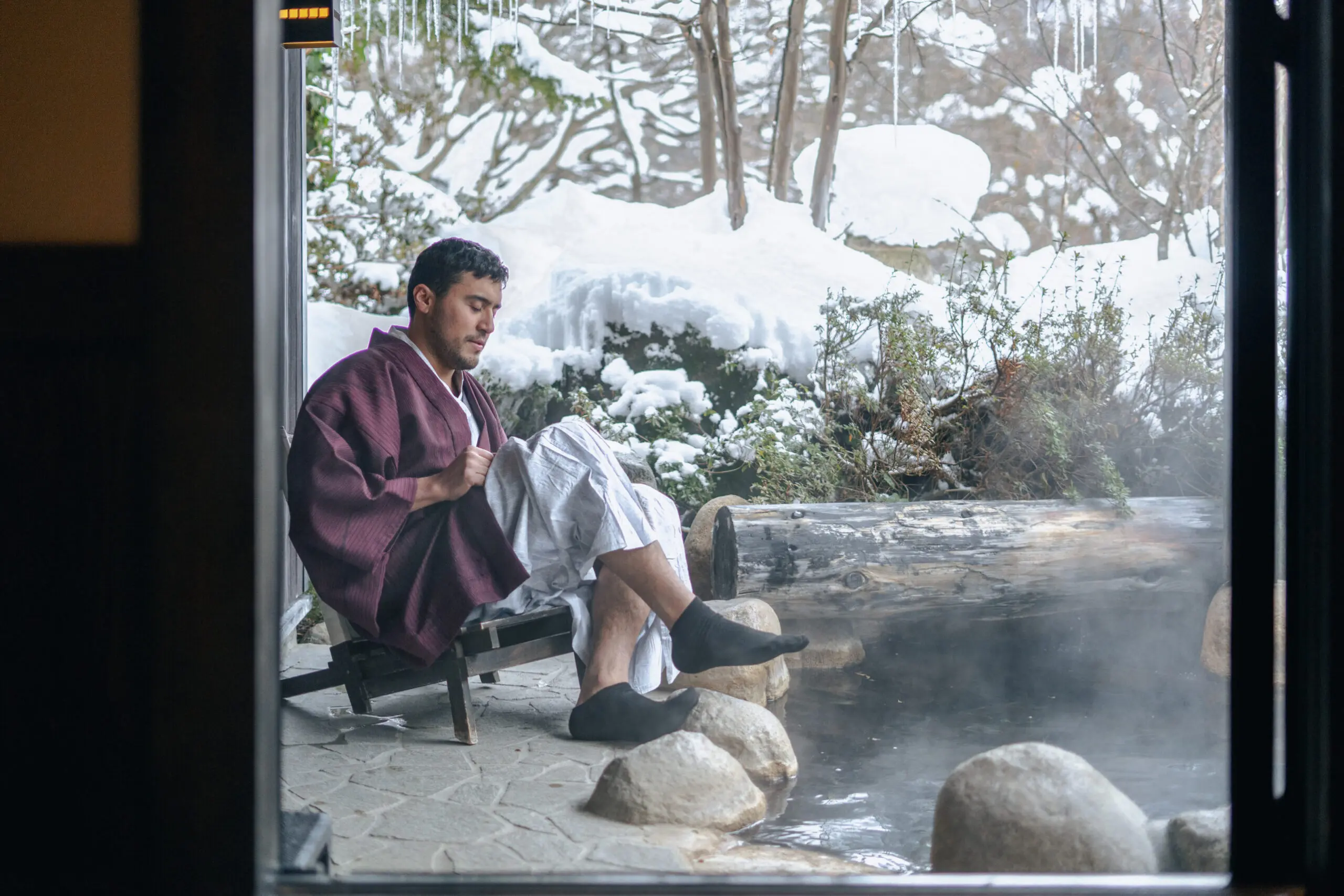
Before heading to Japan, it’s crucial to bring the right things with you to ensure that you don’t overpack or underpack for the occasion.
We’ve already established in an earlier point that climate matters a lot in affecting your overall Japan trip. If you’re going to Hokkaido during the summer, you’re better off bringing multiple layers instead of summer shorts and flip-flops. And if you’re going to Okinawa during the middle of summer, then you could probably do away with a fleece jacket.
But besides the clothing you put on your pack, you should also pack enough items that’ll help you do the activities you want to do without compromising your experience. For instance, if you’re looking forward to hiking the mountains of Japan, then you should bring a bucket hat and sunscreen to ensure that you’re protected against the elements.
You should also bring items that can make the overall trip feel smoother. For instance, you should bring comfy walking shoes that you know for a fact can withstand many days of constant walking. You should also bring an umbrella in case the weather turns wet when you’re out and about.
If you’re bringing your family along with you, then make sure that they have all the things they need to be comfortable exploring a new place, too. These can be things like an entertainment tablet, a comfort item, or some baby supplies.
By bringing all these essential things with you, you can handle your travel days in Japan without having to scramble and look for these items when you’re already in the country. This allows you to focus on your trip more readily, which can contribute to a more pleasant experience overall.
to plan ahead?
Create a Skeletal Itinerary
You’re only spending a few days on your trip to Japan, so it’s important to make these days count.
While it’s great to have moments of spontaneity and just wander around the streets and get lost, it’s also essential to have a bit of a plan to ensure that your trip feels like there’s a semblance of structure.
Consider listing some must-do activities and must-visit attractions before going to Japan. This helps you avoid wasting too much time wondering what to do when you’re already in the place, making you more efficient with your time in the process.
You should also have an idea of what cities you want to visit during this trip. Do you want to just stay in and around Tokyo? Or are you willing to take side trips or even extend the trip down to Kansai? Have an idea of what you want to do so that you can make the necessary bookings in advance.
You don’t have to plan everything by the hour if you don’t want to. However, having a compact itinerary can be effective in giving you some guidance when you’re unsure how you want to spend the rest of your time in Japan.
We hope that these tips can help you navigate your upcoming Japan trip more smoothly. All the best in creating lifelong memories in your Asia adventure!
As always, if you have any questions or want specific recommendations leave them in the comments and I’ll respond.
If you want to message me privately, I’ll respond on Instagram @The.HauteBohemian
This blog may contain affiliate links. If you make a purchase through these links, I may earn a commission at no additional cost to you.
This helps support the blog and allows me to continue creating content. Read my full disclosure for more info and thank you for your support.
0 Comments