

Your guide to taking on the best city in the US
37 best things to do in San Francisco (2026)
The thing about living in San Francisco is that there is so much to do – that I literally get stressed triaging between weekend events.

Seriously, every day there’s a market or a foodie event and, on weekends, there are always 3-4 really good, competing options that stress me out because I can’t decide which to go to.
This is intentional. After the pandemic city officials decided they needed a way to “bring San Francisco back” and that was through events.
They put on insane free concerts like this massive Fred Again / Skrillex show and there are day markets, night markets, foodie events, grand openings of this and that, theater events, and really anything you can think of.
But even if the events weren’t a thing, there would still always be something to do here.
We have a healthy diet of evergreen activities that are great for locals and tourists.
To decrease your overwhelm, I wrote this article to guide you through your journey of what to do in the city by The Bay.
So what are the best things to do in San Francisco in 2026?

The Golden Gate Bridge is the one thing that you have to see when you come to San Francisco – whether you like it or not.
Completed basically 100 years ago, in 1937, this big red baddie stretches 1.7 miles across the Bay, and takes like ½ hour to walk across – 45 minutes with selfies.
Walking across you get awesome views of the skyline, Alcatraz, and Marin Headlands. It’s one of the most photographed bridges in the world – obviously.
If you’re into history, architecture, or just a brisk walk in the fresh sea air of a global landmark, this is kind of the pinnacle of San Francisco tourism.
You’ll be leaving from the Presidio area and walking to the North Bay. When I do the bridge(usually on bike) I like to go to Sausalito after and eat at the Joinery, Bocce Bar, or any of the other awesome restaurants they have there. It’s an extra walk (like 3 more miles) after you depart from the bridge but if you’re up for it, check it out and take the ferry back to Pier 39 after.
Some Golden Gate Bridge facts
- Opened in 1937, it was the longest suspension bridge in the world at the time, stretching 4,200 feet (1.3 km) between towers.
- The bridge’s iconic International Orange color was originally just a primer – but architects kept it because it stood out in the fog and complemented the natural surroundings.
- More than 40 million vehicles cross the bridge every year, making it one of the busiest and most photographed bridges on the planet.
- The two towers rise 746 feet (227 m) above the water – taller than a 60-story building.
- Its construction was a feat of engineering: workers braved fierce tides, fog, and winds, and thanks to a safety net, over 19 men’s lives were saved, a record for large projects at the time.
How to Walk Across the Golden Gate Bridge
- Free to walk or bike; open daily, 24 hours.
- Ladies and hipster man – bring a hair tie or you will have dreadlocks by the time you get to Sausalito
- Parking is limited; use rideshare or transit.
If you go to Sausalito, make sure to check ferry times for your way back


Just across the Golden Gate Bridge lies a town even richer than San Francisco.
Sausalito is a charming waterfront town that feels like an East Coast old-money escape and has views of San Francisco that you really can’t get anywhere else.
Once a sleepy fishing village with people living on houseboats, it’s now known for harboring tech founders and VCs that can’t find the opulence they want in The City. Its pastel-colored floating homes (houseboats, but they don’t like when you call them houseboats), art galleries, and unique hillside formations of multimillion-dollar housing are quite the spectacle.
The main things to do in Sausalito are strolling along the waterfront promenade, grabbing seafood on the bay, and exploring boutique shops and wine bars. On a sunny day, Sausalito is one of the best spots to slow down, sip a glass of wine, and watch the ferries come and go.
How to Visit Sausalito
- Uber, bike, or walk across the Golden Gate Bridge – or ferry over the bay for an ultra scenic arrival. Whatever you do, please don’t drive on a weekend – parking is a bitch.
- Once you’re there, all of Sausalito is walkable, with shops and restaurants along the water.
If you want to do overnight stay at Casa Madrona Hotel & Spa


Fisherman’s Wharf is another very touristy part of San Francisco, but I still take people there when they come visit. It’s cute! We don’t spend much time there, it’s kind of a hit-it-and-quit-it type situation.
This is my 1-hour Pier 39 playbook:
- Walk through Pier 39, maybe stop at one shop – salt water taffy or overpriced jewelry (10 minutes)
- Check out the sea lions (10 minutes)
- Meander over to Fisherman’s Wharf, see the street performers and the riff raff (15 minutes)
- Check out Muse Mcanique, play a few games (15 minutes)
- Walk over and grab a clam chowder bowl at one of the crab stands at Taylor Street and Jefferson Street (10 minutes)
Touristy? Sure – but essential.
How to Explore Fisherman’s Wharf
- Arrive on foot or by public – parking is terrible.


San Francisco’s public transportation system is cute. So cute that we have an entire MUNI store with a ton of paraphernalia, but their Christmas sweaters are so coveted that they have a line out the door when they get a shipment in and there are knock-offs and people fighting over them and stuff. I have one. 💅
Our cable cars are the only manually operated system left in the world, dating back to 1873. These historic cars clatter up steep hills, moving not only tourists, but San Franciscans doing their regular commute to and from work.
We also have this super adorable thing that we do during summer called the Hotsy Topsy Club, which is when they turn the F-Train into a jazz club on wheels. It’s one of my favorite things to do in SF – I wrote an article on it for The Bold Italic here.
How to ride a cable car
- It’s $8 per ride; Clipper card or cash accepted.
- If you’re not a tech worker and you just want to experience the ride, you have a few choices
Powell–Hyde Line
This is the famous one that starts near Macy’s with the classic postcard San Francisco views. The lines are long, especially during the holidays.
Start: Powell & Market (Union Square)
End: Hyde & Beach, near Ghirardelli Square and Aquatic Park
Route highlights:
- Climbs Nob Hill with dramatic views of the Bay and Alcatraz
- Passes Russian Hill (one block above Lombard Street, the “crooked street”)
- Descends Hyde Street with sweeping downhill views toward the water
Powell–Mason Line
This one is less dramatic, but less crowded than Powell–Hyde. It’s still scenic and takes you between iconic areas of The City.
Start: Powell & Market (Union Square)
End: Taylor & Bay, a few blocks from Fisherman’s Wharf
Route highlights:
- Also goes over Nob Hill
- Travels through North Beach, San Francisco’s Little Italy
- Ends closer to the Wharf’s piers (handy if you’re headed for Pier 39 or seafood stalls)
California Street Line
This line is much less touristy. It’s more of a commuter route historically, but still very cool, and the easiest one to board without a long wait.
You can hit up the Tonga Room at the Fairmont hotel on this line so it makes it all worth it.
Start: California & Market (near the Embarcadero)
End: Van Ness Avenue
Route highlights:
- Climbs straight up the steep grades of California Street
- Passes through the Financial District, Chinatown, and Nob Hill
- Rolls past the Grace Cathedral and luxury hotels like the Fairmont

Alcatraz Island was once the most notorious prison in America, housing criminals like Al Capone. Lore is mostly around the unfortunate souls who tried to escape – or may have escaped, until the prison was closed in 1963.
Today it’s a National Park with an award-winning audio tour narrated by former inmates and guards, and the object of affection from President Trump, who wants to spend a ridiculous amount of money housing political prisoners.
If you visit, you’ll enjoy a scenic ferry ride over and you’ll learn about escape attempts and the island’s layered history while enjoying panoramic views of the Bay.
It’s eerie, fascinating, and unforgettable.

Known as the “Ellis Island of the West,” Angel Island once processed immigrants entering the U.S. Today, it’s a state park with hiking trails and Bay views.
It’s quieter, less touristed, and less structured than Alcatraz, but just as cinematic: eucalyptus groves, open meadows, and jaw-dropping views of the skyline, Marin, and Mount Tam.
I camped there in 5th grade but adults bike, hike, or just walk around. Apparently this is where they film all the car commercials.
You can explore the Immigration Station – a restored complex that tells the stories of Asian immigrants detained here between 1910–1940. The museum is moving, beautifully designed, and worth at least an hour.
In summer, Volo and local groups occasionally host volleyball or outdoor fitness events; in fall, there are historical reenactments and ranger-led tours.
How to Do Angel Island
- Take the Blue & Gold Fleet ferry from Pier 41 (SF) or from Tiburon – both run multiple times daily.
- Rent a bike on the island or bring your own to circle the 6-mile Perimeter Road.
- Stop for a drink or lunch at Angel Island Caf near Ayala Cove.
- For hikers, the Summit Trail leads to the island’s peak, Mount Livermore, with 360-degree views of the Bay.
- Ferries back to SF stop in the late afternoon, so plan to spend at least half a day soaking it in.

San Francisco’s Chinatown is the oldest in North America and one of the largest outside Asia. Kind of a big deal. And weird, to me, because it feels really tiny.
Its narrow alleys brim with dim sum restaurants, herbal medicine shops, and red lanterns strung overhead. Dragon’s Gate marks the entrance to a neighborhood that’s both historic and constantly evolving.
Chinatown has great festivals, events, and food tours.
How to Visit Chinatown
- Enter at Dragon’s Gate on Grant Avenue.
- Try dim sum at Good Mong Kok.
- Visit during Lunar New Year for parades.


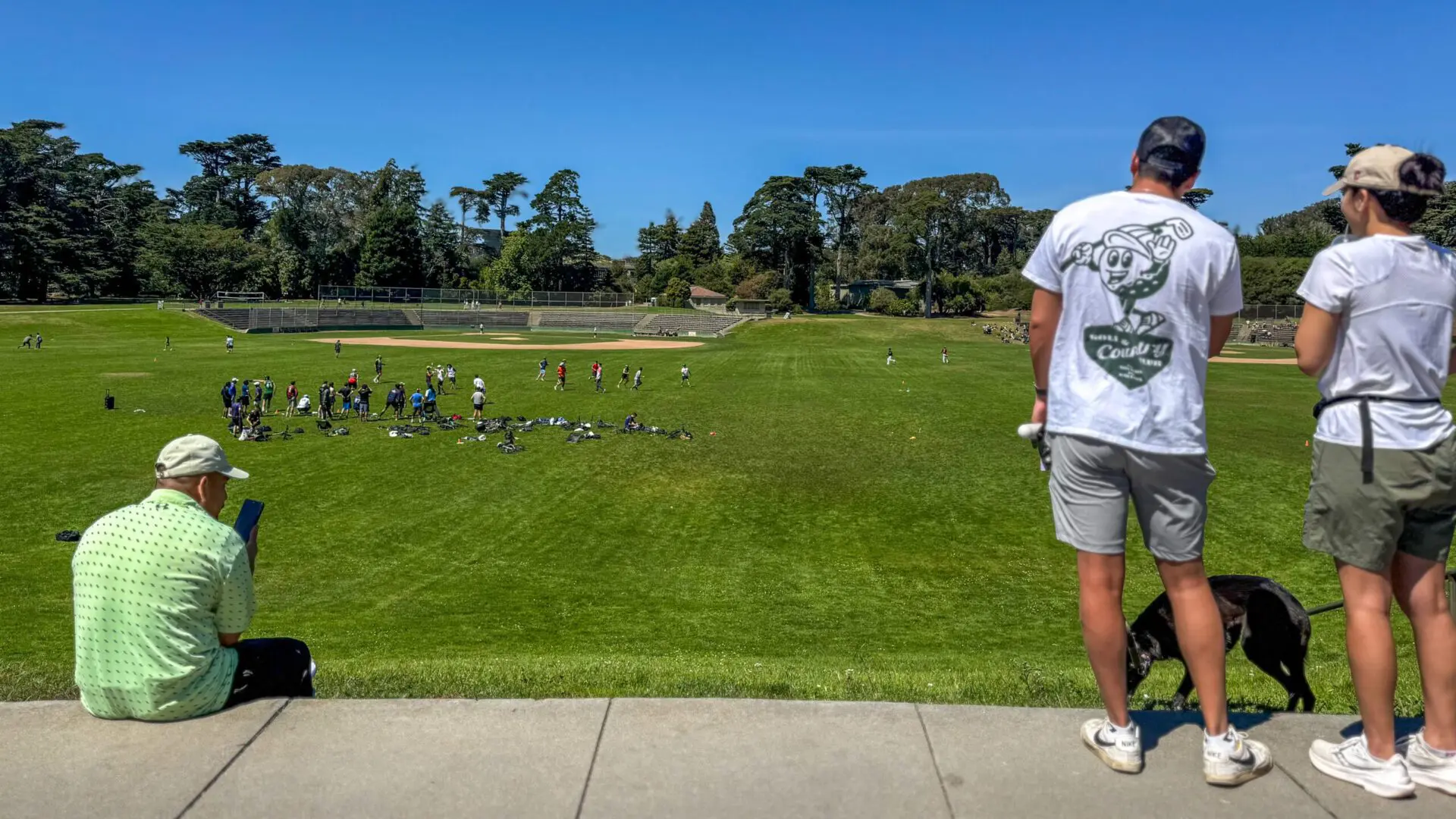
Larger than Central Park, Golden Gate Park is an oasis of gardens, museums, trails, and so much amazing art.
You’ll see huge groups of people having family reunions, volleyball tournaments, and just treating the park as their backyard – because it is! The artwork is so ubiquitous that it feels incredibly immersive. The ambiance is thriving but peaceful. It really is a utopia, now that they shut it off to cars.
There are so many ecosystems here that you would never be able to experince them all without living here, so I’m going to give you some of the best ways to spend a day in GGP.
How to do Golden Gate Park
- Run across the park: Jog the ~3-mile stretch from Stanyan Street to Ocean Beach or start at Baker & Fell to cruise through the Panhandle, as well. You’ll pass through forests, meadows, lakes, gardens, and open fields – a sampler of San Francisco’s ecosystems in one go.
- Bike the park loop: Rent a city bike and circle the 6.3-mile route, stopping for a beer at the Park Chalet of the Whale’s Tale beer garden, or grabbing food at rotating food trucks.
- Join a free yoga class: Purusha and Elisha both host donation-based yoga sessions on the lawn of the Whale’s Tale beer garden before it opens, Saturdays from 11-12 PM (and I believe another instructor runs classes at Robin Williams Meadow).
- Visit the museums: Choose from the de Young Museum (art & observation tower), California Academy of Sciences (aquarium, rainforest dome, planetarium), and the Conservatory of Flowers (Victorian-era greenhouse).
- Catch a concert at the Spreckels Temple of Music (the “Bandshell”): Free outdoor shows happen most weekends.
- Go to NightLife at the Academy of Sciences: An adults-only Thursday event with DJs, cocktails, and after-hours science exhibits.
- Experience the Japanese Tea Garden: Wander winding paths, koi ponds, and pagodas – the oldest public Japanese garden in the U.S.
- Attend Outside Lands: San Francisco’s massive annual music and food festival, usually held in early August.
- Watch polo at the Polo Fields: Once home to 60,000 spectators, now used for soccer, running, the occasional polo exhibition – and Outside Lands! Seriously, if you go to OSL you’ll never recognize it but it’s true.
- Set up a picnic and volleyball net: Robin Williams Meadow and Lindley Meadow are both great picnic bases.
- Join a crawfish boil or community feast: Local groups sometimes host food events in the meadows or near Stow Lake.
- Row or pedal a boat at Stow Lake with turtles, ducks, and hidden waterfalls.
- Watch remote-control boats at Spreckels Lake: Home of the San Francisco Model Yacht Club, where hobbyists sail RC sailboats and model ships on weekends.
- Play a round of golf: The park has two 9-hole courses: Lincoln Park and Golden Gate Park Golf Course
- Skate at Skatin’ Place: Join locals at the dedicated roller rink on JFK Promenade (6th Ave & Fulton), where DJs spin on weekends and the famous Sunday Roller Disco Party turns Golden Gate Park into a retro dance floor on wheels.


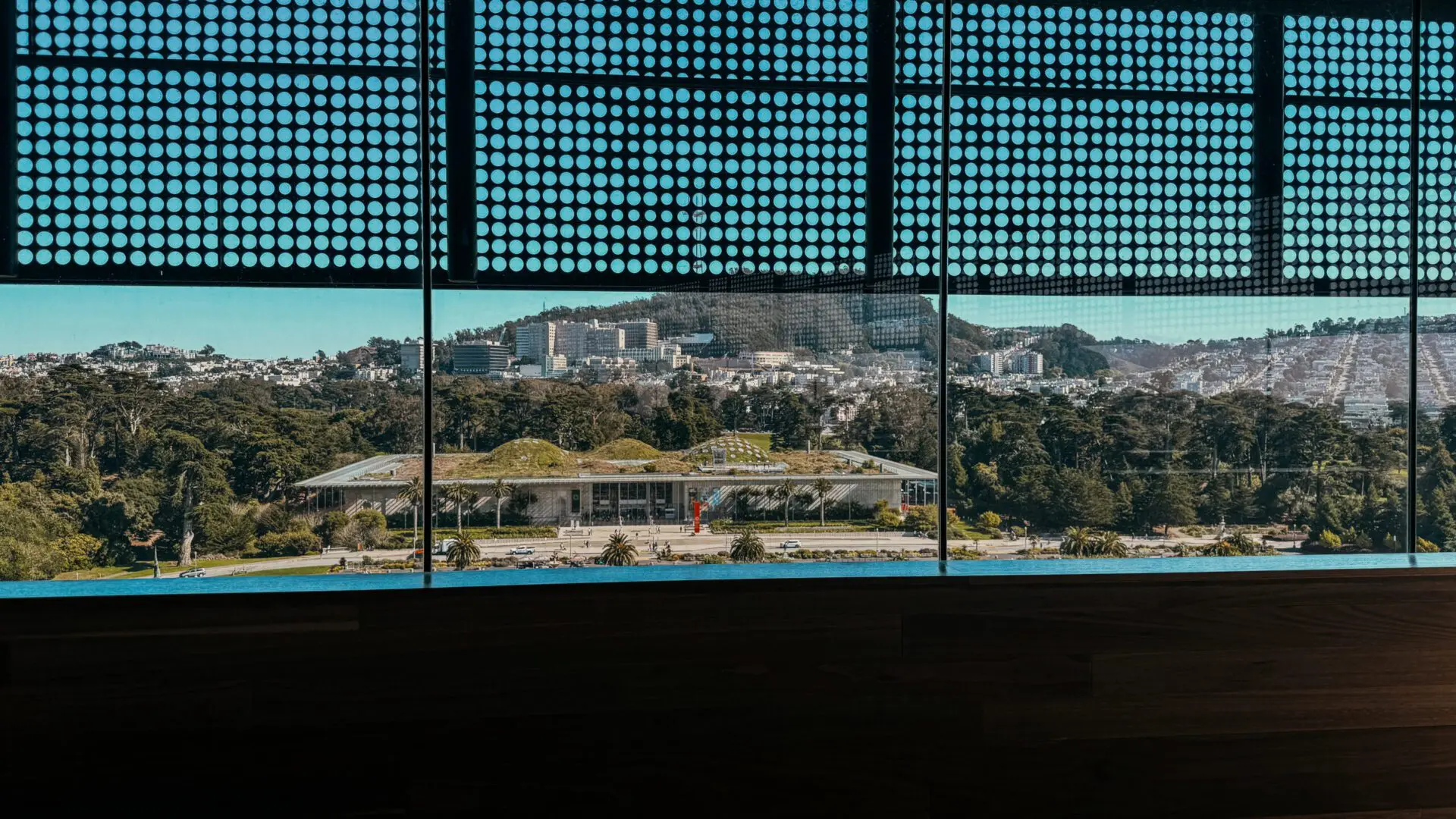




The Palace of Fine Arts is a Roman-inspired structure built for the 1915 Panama-Pacific Exposition. Its soaring rotunda and lagoon make it one of the most romantic spots in the city.
While there are sometimes events there, it’s mostly just a beautiful landmark. Locals use it for wedding photos, jogs, and casual strolls. It’s photogenic from every angle.
How to Visit the Palace of Fine Arts
- Free to enter.
- Best lighting at sunrise or sunset.

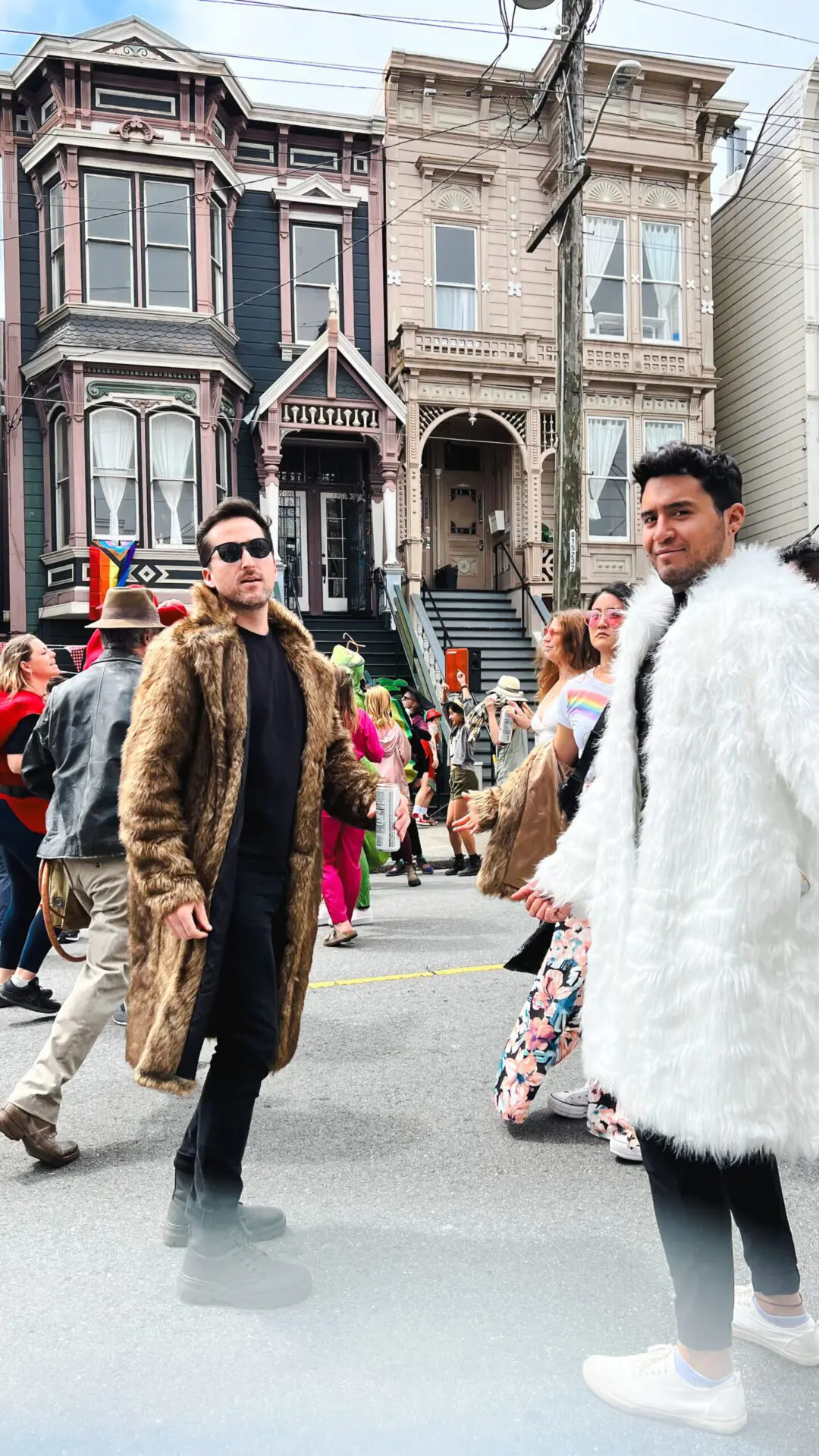
The Painted Ladies are a row of Victorian homes backed by the downtown skyline.
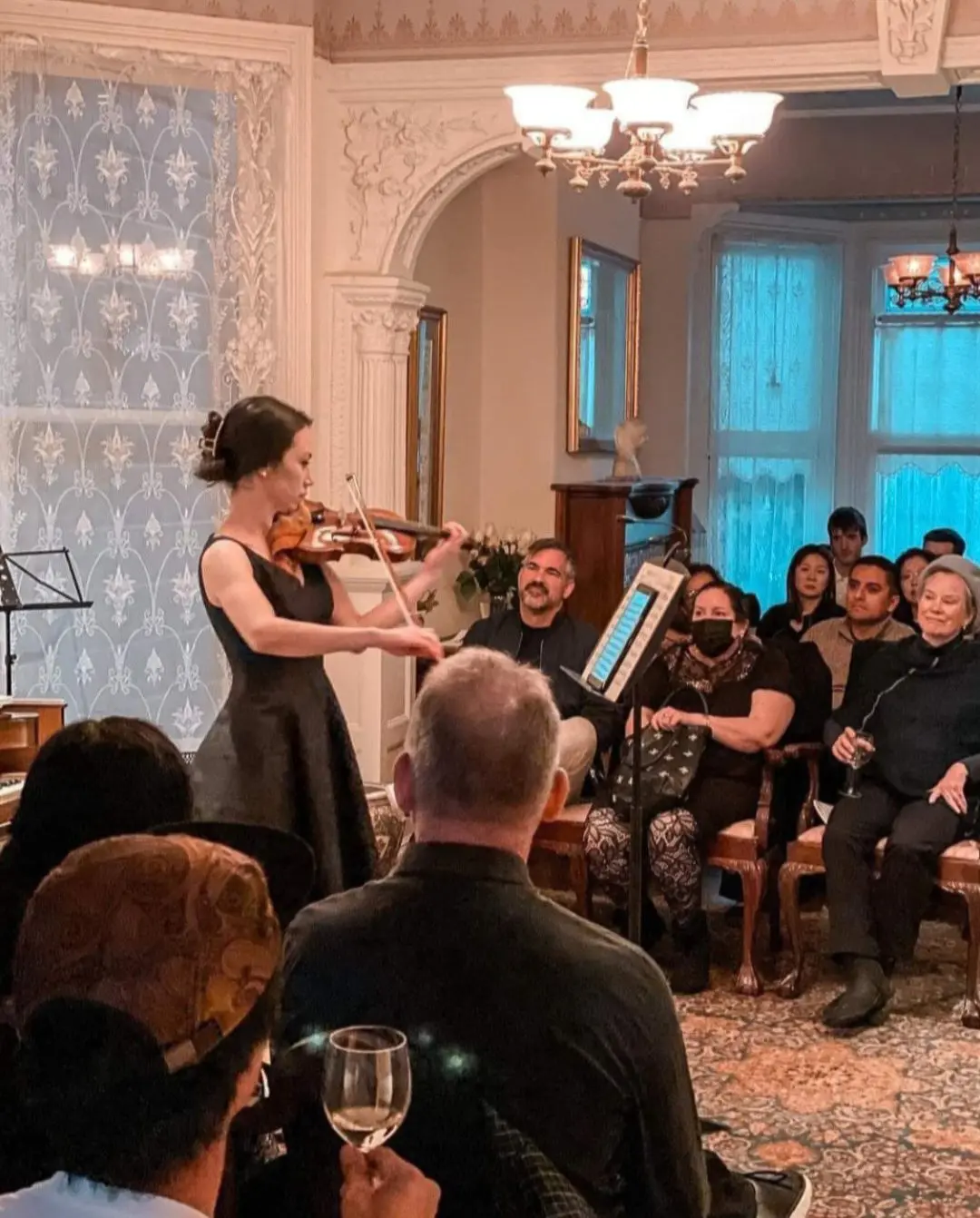
They’re one of the most photographed locations in San Francisco, and famous for being a backdrop for countless cultural moments, including Broadway after-parties, concerts spanning chamber music (InsightChamberPlayers), jazz, and American Songbook classics, to a Vivaldi performance on Stradivarius and Amati violins, and on screen, with Lea Thompson filming The Year of Sensational Men in its foyer and steps, a Ferrari commercial shot on-site and, of course, the opening to Full House.
My friend, George Horsfall lives in the blue one, and does tours of his house every day at 4:00 PM. He also does really exclusive, cool events there that, if you meet him on his tour, you might get invited to.
That’s how it happened for me and since then I’ve been to some awesome events like the 32-person concert put on by Franz Liszt’s great-great-great-grandson, Michael Andreas. It was intimate and refreshing to be rooted in a more genuine era of gathering, where music, conversation, and connection mattered more than spectacle or transaction..
The houses are across from Alamo Square Park, which is a perfect picnic spot and photo op, if you want to do it low-key.
How to Visit the Painted Ladies
- Get a sandwich from Lucinda’s and see the houses from Alamo Square Park, or
- Text George and set up a tour any day at 4:00 – 415.377.8559


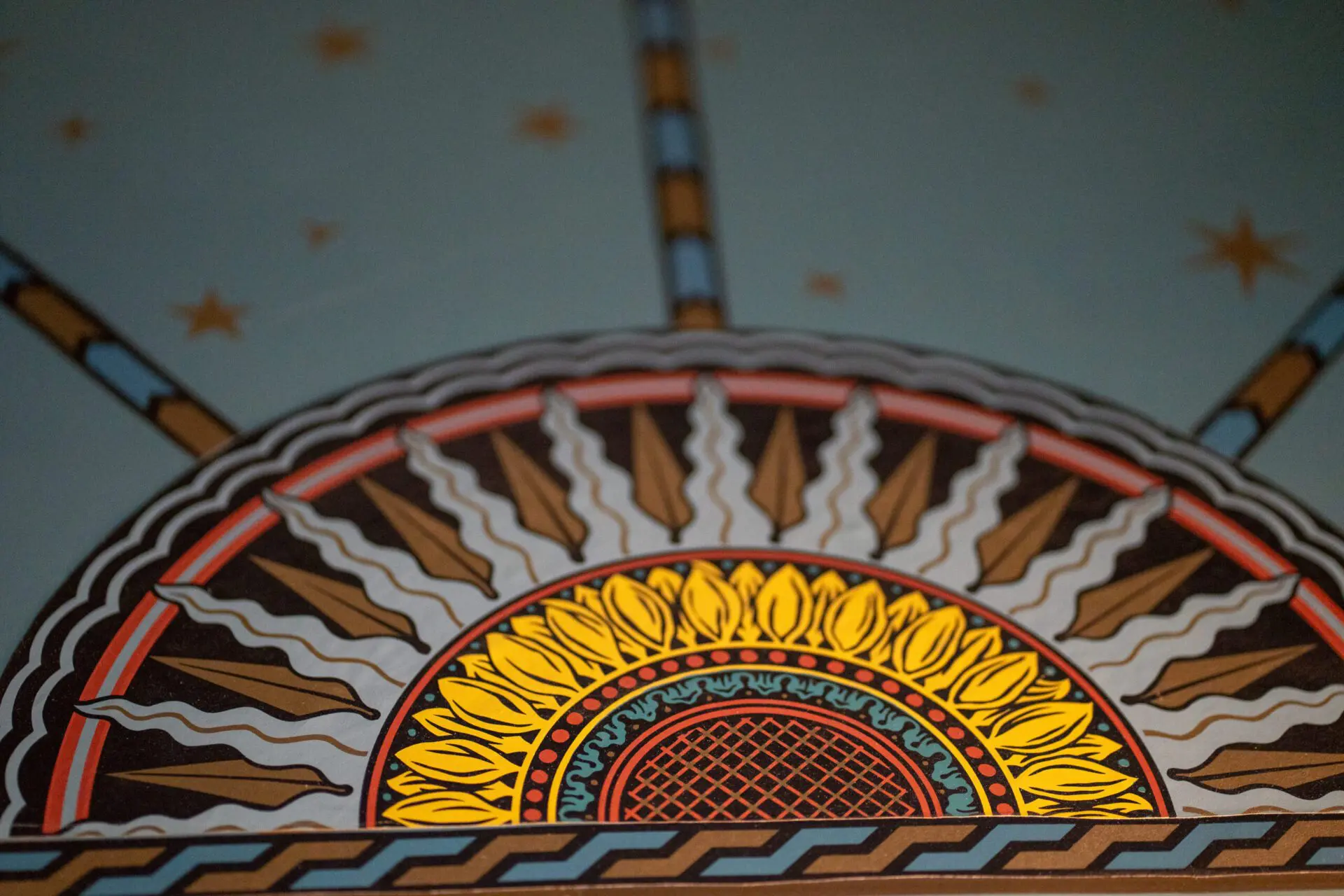



The Mission’s alleys are covered in colorful murals that tell stories of culture, politics, and community. The murals change over time, making each visit fresh. Pair the art with tacos or burritos for a perfect Mission day.

Here are the spots to check out:
Balmy Alley – The Mission’s most concentrated mural corridor, with nearly every garage door and wall painted since the 1970s, often focusing on Latinx identity and social justice.
Clarion Alley – A narrow lane between Mission and Valencia curated by the Clarion Alley Mural Project, known for bold, rotating works on community, politics, and the environment.
Women’s Building / MaestraPeace Mural – A six-story masterpiece covering the Women’s Building at 18th Street, celebrating women’s contributions across cultures and history.
Carnaval Mural (Golden Dreams of the Mission) – A vibrant 24-by-75-foot piece above the House of Brakes honoring the spirit, music, and dance of Carnaval.
Precita Eyes Mural Arts Center – A mural hub on 24th Street where the building itself is painted, and the organization leads tours and workshops.
Mission Dolores Mural – An 18th-century interior wall painting in Mission Dolores, hidden for two centuries behind the altar and later restored.
House of Brakes – A landmark 24th Street garage mural at Shotwell, part of the broader corridor of colorful Mission facades.
Once Upon a Time in the Mission – A layered narrative mural at 24th and Shotwell reflecting neighborhood change, identity, and cultural memory.
La Llorona “Sacred Waters” – A mythic mural at 24th and York that uses the La Llorona legend to address grief, environment, and heritage.
Cesar Chavez Elementary School – A vivid school mural celebrating activism, education, and community with bright depictions of children and cultural motifs.
How to See the Murals
- Daytime is safest and best for photos.
- Combine with a stop at La Taqueria for the full experience.


North Beach isn’t just San Francisco’s historic Italian district – it’s one of those neighborhoods that feels alive in a way that’s hard to explain unless you’ve walked it – and maybe my favorite neighborhood in this city.
You’ve got old men arguing over espresso outside Caff Trieste, poets pretending they’re still in the Beat era, tables spilling into the street, and tourists trying (and failing) to find parking on Columbus.
It’s chaotic, warm, theatrical, and honestly one of the most cinematic pockets of The City.
Beyond the cafs and historic storefronts, North Beach’s day-to-night transformation is its best magic trick.
Mornings smell like focaccia and fresh coffee; afternoons are all about sun-soaked patios, gelato, and people-watching; and at night the bars, neon, and live blues spill into the streets like the neighborhood is putting on a show for itself.
It’s the closest thing to an Italian piazza experience you’ll get without leaving the country – but with more dive bars and better sourdough.
It’s home to some amazing landmarks:
Caff culture & literary landmarks
- Caff Trieste – where Francis Ford Coppola wrote much of The Godfather.
- City Lights Booksellers & Publishers – Beat Generation HQ, still the soul of North Beach.
- Vesuvio Cafe – across from City Lights; moody, artsy, classic North Beach bar.
- Specs’ Twelve Adler Museum Cafe – alleyway dive stuffed with odd memorabilia.
Icons around Washington Square
- Washington Square Park – the neighborhood’s green living room.
- Saints Peter and Paul Church – a twin tower landmark seen in films.
- The Saloon – SF’s oldest bar (1861) with bightly blues
Classic Italian & hangouts (add your faves as needed)
- Tony’s Pizza Napoletana – destination pies by a world-champion pizzaiolo, and also basically the major of North Beach.
- Original Joe’s North Beach – red-sauce swagger and martinis.
- Molinari Delicatessen – a century-old Italian deli for a perfect sandwich.
After you eat way too much Italian food – wash it down with some Aperols and hike your ass up to Coit Tower on Telegraph Hill. After you have a mini heart attack, you’ll be handsomely rewarded with 360° views and 1930s murals of California life at the time.
On your way out, walk down the leafy Filbert Steps or Greenwich Steps for that garden-stairway vibe and, if you’re lucky, a glimpse of the wild parrots.
How to Visit North Beach & Coit Tower
- Coit Tower tickets sold online.
- Quick route idea: Start at Coit Tower descend the Filbert Steps espresso at Caff Trieste browse City Lights drink at Vesuvio or Specs sunset in Washington Square Park live blues at The Saloon late dinner at Original Joe’s or a slice at Tony’s.


Haight-Ashbury was the epicenter of the Summer of Love in 1967 and is famous around the world for its hippie culture.
Today, it’s a mix of vintage clothing shops, record stores, and quirky boutiques. Murals and tie-dye still mark the neighborhood’s countercultural roots. It’s a must for history buffs and shoppers alike.
There are still a few hippies here but sadly, they’ve aged out of their prime and have been replaced by a more troubled genre of free spirit. It also has its share of tourists.
Here are some spots to hit up:
Counterculture & music history
- The Red House – former home of the Grateful Dead, a pilgrimage site for fans.
- Jimi Hendrix’s House – the guitarist lived here briefly during the late 60s.
- Amoeba Music – a legendary record store inside a former bowling alley, carrying everything from vintage vinyl to local band merch.
Shops & cafes
- Love on Haight – the go-to tie-dye boutique, a modern tribute to Haight’s hippie legacy.
- Decades of Fashion – meticulously curated vintage clothing from Victorian to 80s.
- Coffee to the People – a chill caf with activist posters and oversized lattes.
Culture & landmarks
- The Haight Street Murals – psychedelic street art covering storefronts, alleys, and side walls.
- The Bindery – a bookstore and community hub from the folks at Green Apple Books.
- Hippie Hill (Golden Gate Park) – just steps from Haight Street, this lawn has been a gathering spot for drum circles and free-spirited crowds for decades.
How to Explore Haight-Ashbury
- Accessible by Muni bus and best explored on foot.
- If you’re in town in September, definitely go for the Haight Street Fair
- Visitors usually just meander down the street, people watching, shopping, eating, and drinking.
- Quick Route idea: Start with coffee at Coffee to the People browse vintage at Decades of Fashion and Love on Haight music stop at Amoeba Music stroll past the Grateful Dead House relax at Hippie Hill in Golden Gate Park.
- Combine with nearby Golden Gate Park.




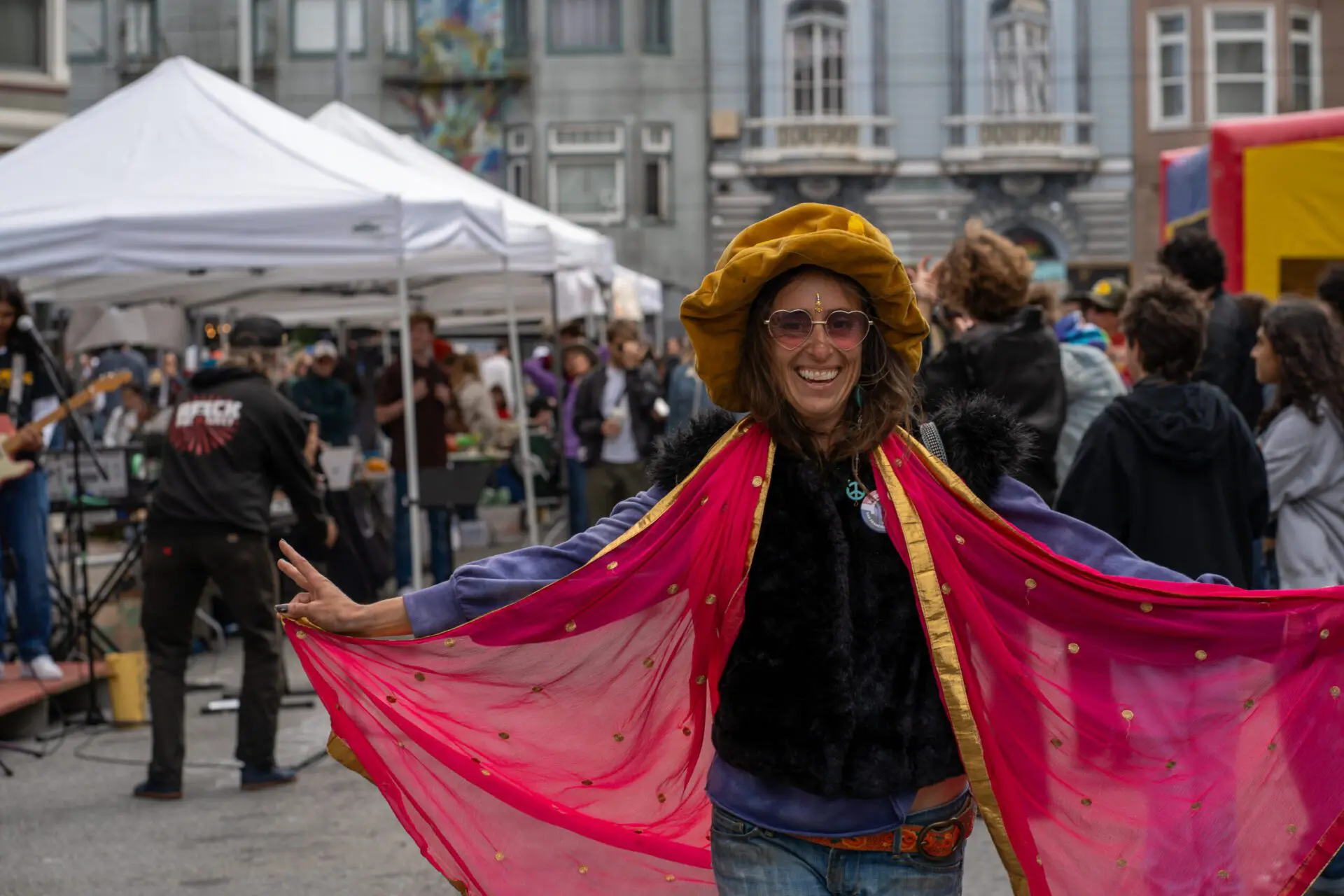


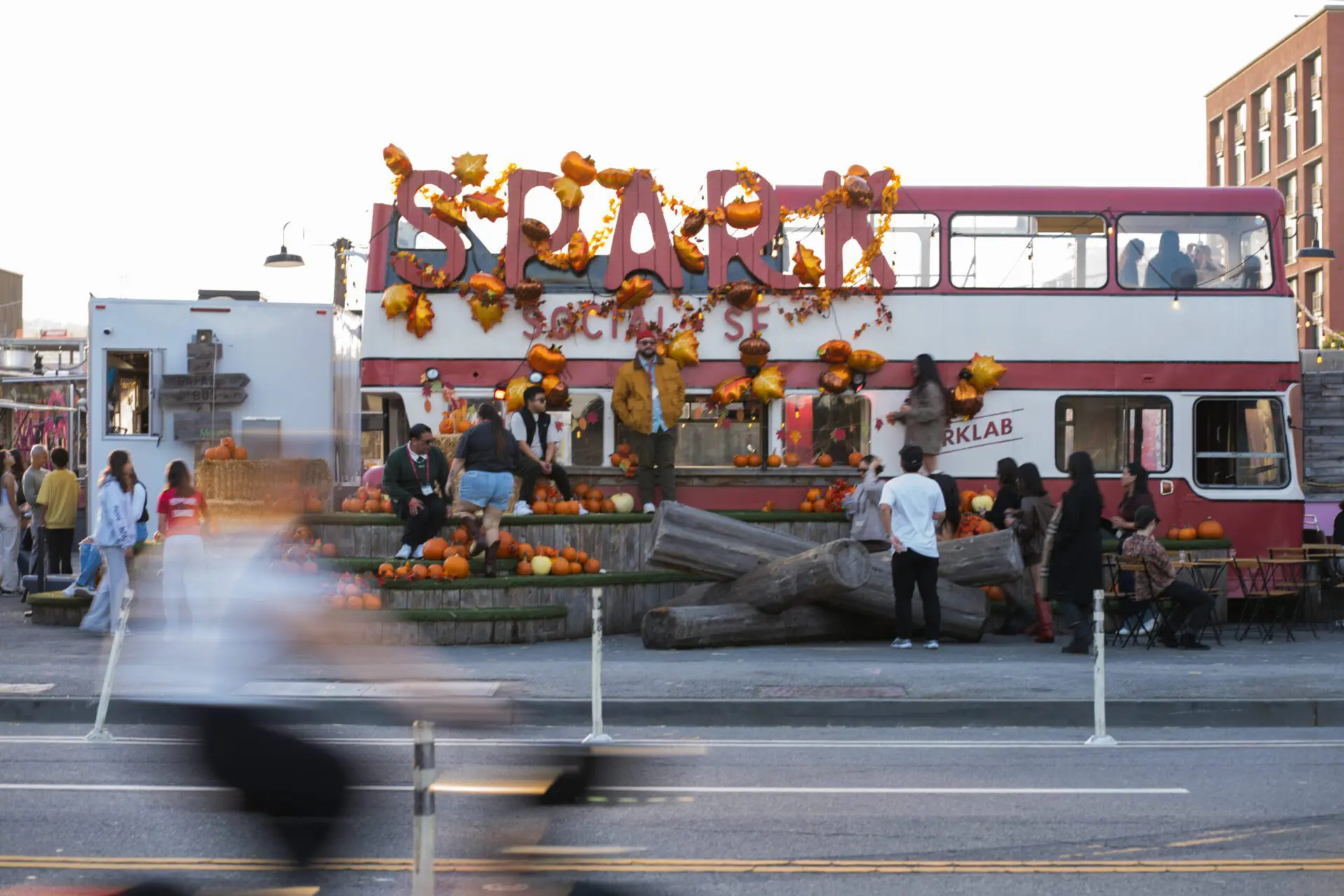
Spark Social is basically Mission Bay’s giant backyard – a gated, low-vehicle traffic hangout zone where you can post up all day without ever feeling rushed out.
It works as a 3rd place the same way Golden Gate Park does, just on a smaller, more local scale. Families love it because kids can run around safely; dog people love it because everyone brings their dog. And everyone else loves it because there’s shade, music, bars, food, and about thirty different micro-environments to loaf around in.
You can sit by the mini urban-campfire setups with a s’mores kit, grab yums from permanent and rotating food trucks, climb up to the top deck of the double-decker bus (people rent it out for birthday parties, etc.), or play a round at the mini-golf course.
They do live music, cider festivals, yoga, tech parties, seasonal events, and I used to go there everyday at noon for CrossFit (now supposedly a pickleball court, though I have yet to see that materialize).
Spark Social is 3 city blocks of pure “just hang out” energy – plus an urban garden, tons of seating zones, and more snacks and drinks than you’ll ever actually need.
How to spend the day at Spark Social
- Free to enter and open daily
- Grab food and drinks from the trucks and the bar
- Sign up early for mini golf – it books up – same with the double-decker bus if you want to rent it out for a party
- End the day at a fire pit with as mores kit

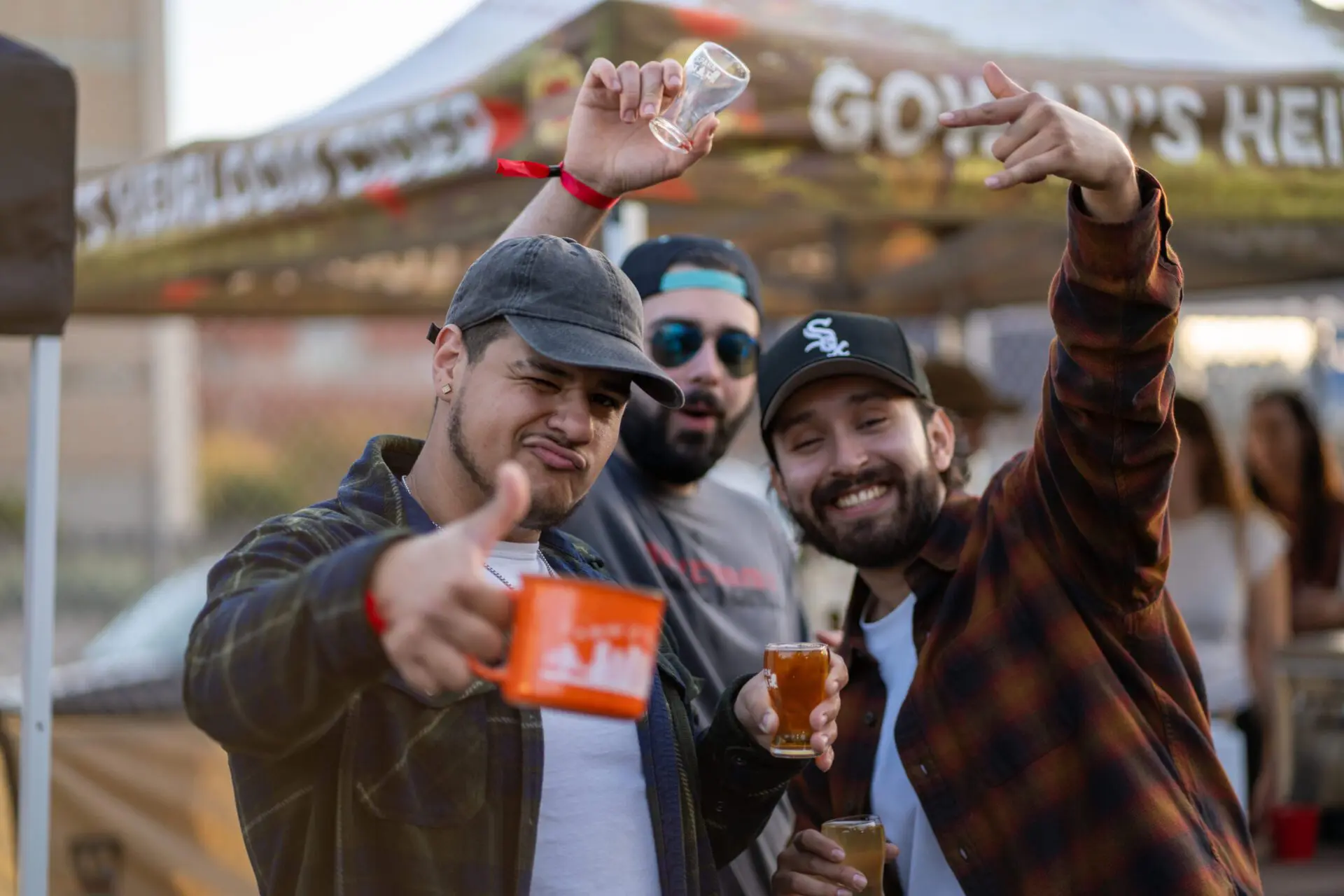
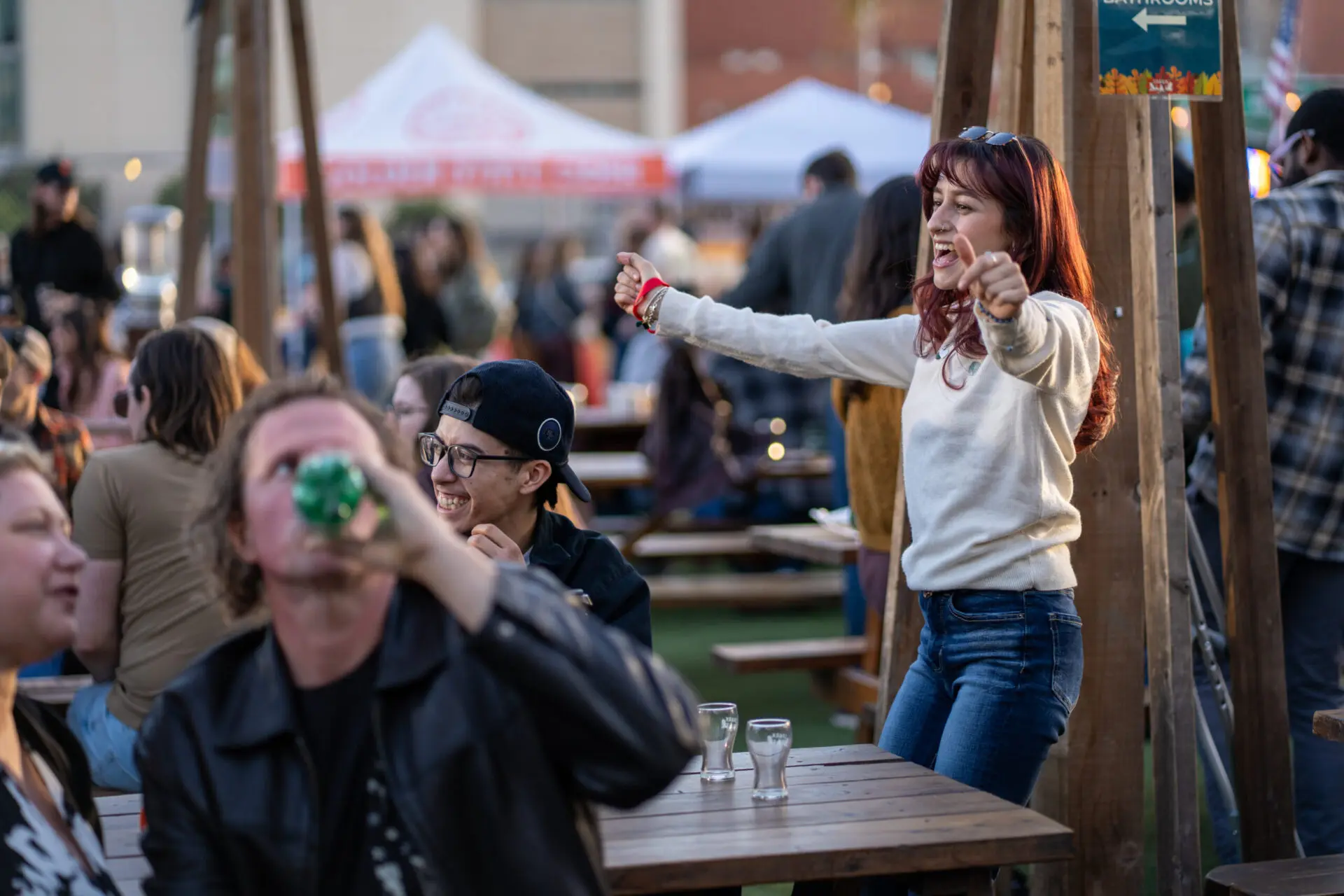


The Ferry Building is foodie heaven with artisanal shops and farm-to-table restaurants.
On Saturdays, its farmers market draws locals, tourists, and chefs. You can sample oysters, craft coffee, and handmade chocolates all under one roof, and then go outside for more, and for scenic views of the Bay Bridge, Treasure Island, and the Bay.
The Ferry Building is a hub of San Francisco’s food culture, but it’s also a historic building in that many of the millions of immigrants who came through Angel Island, before airplanes were a thing. It’s pretty surreal to eat your bougie-ass $17 pink vegan donut in a building where people came from all over the world to start new lives.
How to Visit the Ferry Building
- The Ferry Building is open daily
- The farmers market is open Saturday 8AM – 2 PM, and Tuesday / Thursday 10AM – 2 PM


Sailing on the Bay is one of the best ways to see San Francisco.
Cruises take you under the Golden Gate Bridge, around Alcatraz, and past Angel Island.
They’re usually 2 hours, and most let you bring your own food and drink. I’ve always done them with groups, usually for birthdays, but you can book by yourself or with just a few people.
Sunset cruises are especially magical with the skyline glowing in the background. It’s a perspective you can’t get on land.
How to Take a Bay Cruise
- Departures from Fisherman’s Wharf or Ferry Building.
- Tickets available online – the companies are all pretty much the same


This one’s new and kind of a social-media frenzy right now.
I haven’t done it yet because they don’t have it in my McCovey Cove but if you’re willing to go to Alameda you can cruise the bay in a hot tub, which sounds awesome.
Check out my friends’ social media posts about it (left):
How to hot tub cruise The Bay
- Book directly through Bay Area Hot Tub Boat
- Bring a swimsuit, towel, hoodie, and snacks
- Some info:
- They’re electric hot tub boats, up to 6 passengers.
- Launch address is 1070 Marina Village Pkwy, Alameda, CA 94501.
- Pricing starts around $391 (for up to 6 people).
- The water temp is ~102 °F.
- The boats can be self-steered.
This is a one-of-a-kind dining concept: world-class omakase onboard a luxury yacht in the Bay Area – no membership required.
One of the two owners and the chefs is actually Japanese, so it’s authentic, which usually butts heads with fancy – but not at Daiji Yacht Club!
It’s fun, feels luxurious, if only for a few hours, and really there’s just nothing like sushi on the water.
How to Do Daiji Yacht Club
- Book directly with Daiji Yacht Club –
- Prices are about $278 per person.
- Arrive at the South Beach Harbor (right by my house!)
- Enjoy!

The Exploratorium is one of the most interactive museums in the world, and it’s in a great location, on the Embarcadero.
Its hands-on exhibits cover science, art, and perception, making it fun for kids and adults.
Touch, play, and experiment – learning here feels like magic. It’s educational and entertaining in equal measure.
How to Visit the Exploratorium
- Open Tue–Sun, closed Mondays.
- Tickets required, best bought online.
- Located on Pier 15.
San Francisco has about 1 free museum day per month and people go crazy over it. FunCheap and every other SF publication will have if you just google it.
Here are the San Francisco museums that people love the most
- San Francisco Museum of Modern Art (SFMOMA): A seven-story museum dedicated to modern and contemporary art, featuring works by Warhol, Kahlo, and Rothko.
- de Young Museum: A striking copper landmark in Golden Gate Park showcasing American art, fashion exhibits, and a 360-degree observation tower.
- Asian Art Museum: Houses one of the most comprehensive Asian art collections in the world, spanning 6,000 years of history.
- California Academy of Sciences: Combines a planetarium, aquarium, and indoor rainforest under one living roof in Golden Gate Park.
- Exploratorium: An interactive museum on Pier 15 where visitors of all ages can play, experiment, and explore science through art and motion.
- Legion of Honor: A neoclassical museum overlooking the Golden Gate Bridge with a world-class collection of European paintings and Rodin sculptures.
- Walt Disney Family Museum: Founded by Walt’s daughter, this Presidio museum celebrates Disney’s creativity through original sketches, models, and films.
- Contemporary Jewish Museum: A bold blue building by Daniel Libeskind that explores art, culture, and identity through modern exhibitions.
- Museum of the African Diaspora (MoAD): Highlights global Black art, history, and culture through rotating contemporary exhibits in SoMa.
- Cable Car Museum: A free Nob Hill attraction where you can see the real cable car machinery that powers San Francisco’s most iconic ride.

San Francisco’s Japantown is 1 of only 3 remaining historic Japantowns in the United States – the others being in Los Angeles and San Jose.
The neighborhood was established in the early 20th century as Japanese immigrants began settling in the Western Addition, and eventually it graduated to be the heart of Japanese-American life on the West Coast.
After the forced internment of Japanese Americans during World War II, the neighborhood was hollowed out, and later hit again by urban renewal projects in the 1950s and ’60s that demolished many blocks. What survived is smaller but deeply resilient, and today Japantown remains a cultural anchor where history, tradition, and community endure.
Visitors come for more than just food and shopping – though tbh those are main things to do here (which we love!).
My favorite thing about Japantown is its underground mall. It looks like you’re actually in Japan, with tiny little restaurants and those Japanese curtains everywhere. And sushi!
But what makes this place so special is that its living cultural landscape: mochi shops over a century old, bookstores full of Japanese imports, ramen joints packed with locals, and annual festivals that bring the streets alive with taiko drumming, cherry blossoms, and kimono parades.
It’s centered around the Peace Pagoda, a five-tiered monument gifted by Osaka in 1968, symbolizing resilience and the ongoing bond between San Francisco and Japan. And if you were around pre-pandemic, the Kabuki hotel.
Japantown is a quieter alternative to Chinatown – less crowded but just as culturally rich, and that same sensation that you just stepped out of 2025 San Francisco and into a neighborhood where the layers of immigration, survival, and celebration are written on the walls, in the food, and in the festivals.
Here are some of the main POIs to hit in Japantown:
Landmarks & culture
- Peace Pagoda – a five-tiered pagoda gifted by Osaka in 1968, the visual centerpiece of Japantown.
- Japan Center Malls – a series of indoor malls filled with ramen shops, karaoke bars, bookstores, and gift shops.
- Japanese Cultural and Community Center of Northern California – hub for cultural events, classes, and heritage preservation.
- Kabuki Springs & Spa – traditional Japanese-style communal baths with a modern twist.
Food & shopping
- Benkyodo Company – famous for handmade mochi since 1906 (though recently closed, still legendary in local memory).
- Isobune Sushi – the original sushi boat restaurant in the U.S.
- Daiso Japantown – bargain Japanese goods shop, a cult favorite.
- Kinokuniya Bookstore – Japan’s largest bookstore chain with manga, art books, and imports.
- Marufuku Ramen – a wildly popular Hakata-style ramen spot, often with lines out the door.
Events & festivals
- Northern California Cherry Blossom Festival – every April, Japantown fills with parades, food booths, and cultural performances.
- Nihonmachi Street Fair – a summer festival blending Asian-Pacific and San Francisco community culture.
How to Visit Japantown
- Explore on foot
- Route idea: Start at the Peace Pagoda browse Kinokuniya Bookstore ramen at Marufukudessert from Benkyodo (mochi) soak at Kabuki Springs finish with karaoke in the Japan Center Malls.
Japantown is a good home base to explore the city because it’s very central – stay at the Kabuki hotel, where my friend’s Japanese grandma was the general manager for 50 years.
The Presidio
The Presidio is a former military base turned into a national park. It’s unlike any place I’ve ever seen, in any city.
The lower part closest to the shore is called the Tunnel Tops. It’s a beautiful park with stadium seating, the super adorable Il Parco Pizzeria & Bar, fancy lawn chairs, and Golden Gate views. People have gatherings and parties there, it’s great.
Up the hill a few feet you have the main lawn area – the Main Parade Lawn (sometimes called the Presidio Main Post) – where they hold food and beer festivals and the Presidio Picnic – a daily array of food trucks.
Old military barracks, officers’ quarters, and military administrative buildings surround the circular lawn area. But they’re nice, not dilapidated, because after the Presidio was decommissioned as a military base in 1994, those historic structures were preserved and repurposed.
Today they’re a mix of cultural spaces, restaurants, hotels, offices, and event venues. Here’s a breakdown:
- The Presidio Officers Club – San Francisco’s oldest building (1776 adobe foundations). Now a free museum about Presidio history and a major wedding/event venue.
- Arguello Restaurant – Inside the Officers’ Club, run by chef Traci Des Jardins. Mexican-Californian food with a lively bar.
- Presidio Social Club Exchange – A retro-style restaurant and bar in a former enlisted men’s barracks, known for cocktails, burgers, and brunch.
- Lodge at the Presidio – A boutique hotel in a historic barracks building, with rooms overlooking the lawn and Golden Gate Bridge.
- The Inn at the Presidio – Another hotel, set in former officers’ quarters tucked just off the lawn.
- Walt Disney Family Museum – In one of the old red-brick barracks along the lawn, telling Walt Disney’s story with rare artifacts and animation history.
- Golden Gate Club – Former enlisted men’s service club, now a popular wedding and event venue with bay views.
- Log Cabin – Rustic WPA-era building a short walk from the lawn, also used for weddings and events.
Crissy Field
Trails wind through forests and open on the sea-level end of the Presidio to Crissy Field – one of San Francisco’s most iconic waterfront spots.
This stretch of reclaimed marshland was once an airfield for the U.S. Army, but has since been reimagined as a massive recreation area within the Presidio. You’ll see locals walking their dogs, jogging, and picnicking with front-row views of the Golden Gate Bridge.
You’ve got a flat promenade that runs from the Warming Hut Caf (by Fort Point) all the way to Crissy Field East Beach, where you’ll see windsurfers, kites, and paddleboarders on a sunny day.
On weekends, the place turns into an unofficial social club for the city’s outdoorsy types – picnics, birthday parties, volleyball, you name it.
It’s also part of the Golden Gate National Recreation Area, which means – for you bird nerds – you’re walking on a restored wetland that’s home to migratory birds and native dune plants.
At sunset, it’s hands down one of the best views in the city.
How to Visit the Presidio
- Free to enter; but parking can be competitive when it’s nice out.
- You can hike around for a bit – trails vary in difficulty.
- Bring a picnic and some wine and watch the sunset from the Tunnel Tops or Crissy Field.


Just north of San Francisco is the easiest way to see California’s famous giants.
About 11 miles north of the Golden Gate Bridge, Muir Woods is a cathedral of coastal redwoods, with trails winding under towering trees, some over 1,000 years old.
The main loop is a flat, paved boardwalk (it’s actually stroller/wheelchair-friendlyish). There are longer hikes connecting to Mount Tamalpais if you want more challenge.
How to Visit Muir Woods
- Best in the morning before crowds and before the heat
- Reservations could be required for parking if it’s high season.
- You need to pay an entry fee.

Oracle Park is widely considered one of the most beautiful ballparks in America – and is famous for its food.
The stadium has awesome views of the San Francisco Bay, craft beer, the famous garlic fries, crab sandwiches, and Ghirardelli ice cream.
The Giants also just built an entire neighborhood across the street called Mission Rock. It has a beach, and tons of new retailers coming in. The day I’m writing this, for example, Quick Dog – the gourmet hot dog restaurant created by the group that did Trick Dog (James Beard-nominated bar in the Mission) is having their grand opening.
If you don’t care about sports:
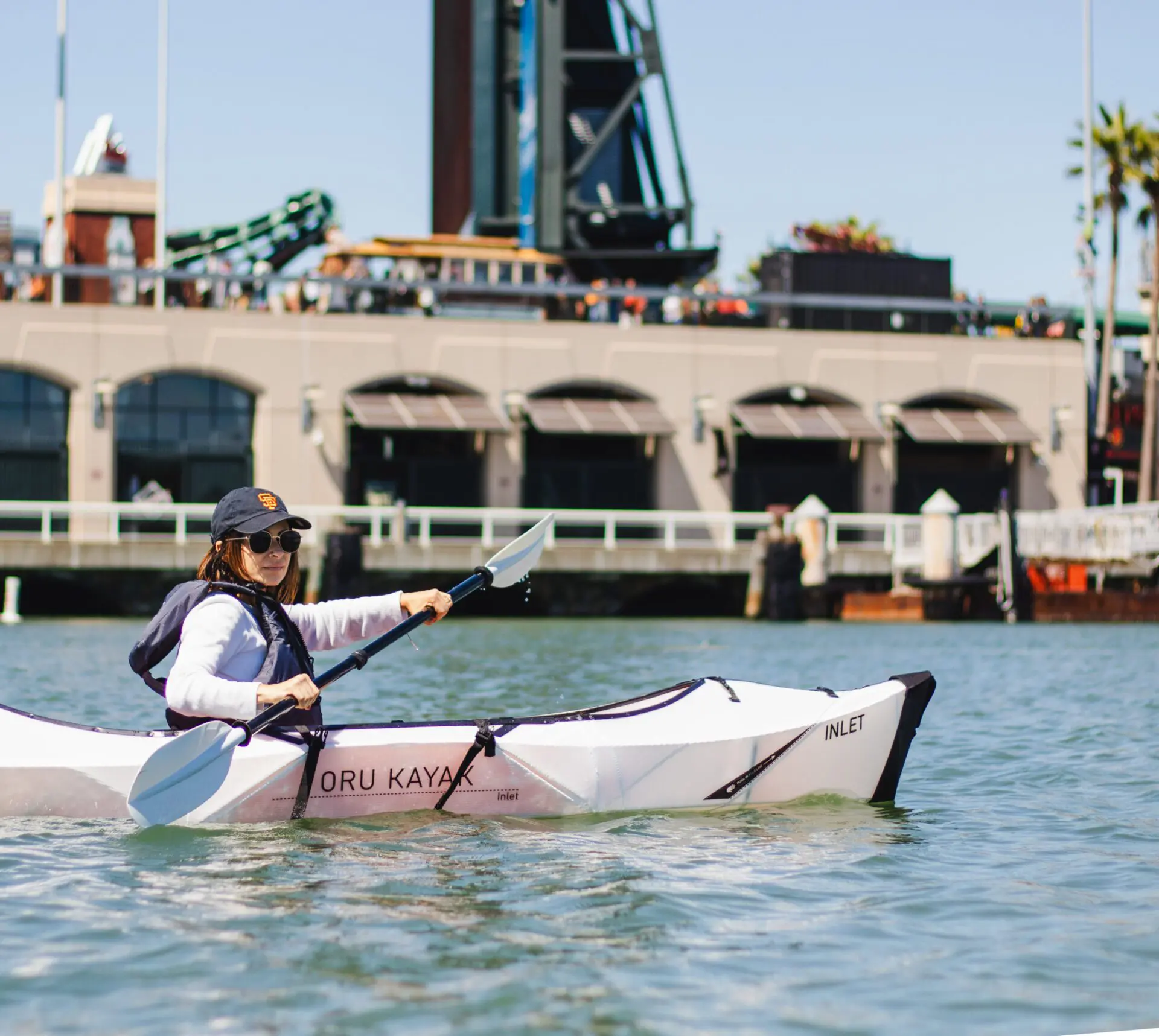
If you’re not a huge baseball fan but you like the party, you can ‘outfield’ the Giants game. This is my preference. McCovey Cove surrounds the stadium and kayakers, yachters, and seals take over it on game days. You’ll see McCovey Cove with his radio, waiting for those home-run balls, people partying, and it’s generally a really great atmosphere.
They recently put a TV up on the outside of the stadium so you don’t have to crane your neck trying to peek over the wall to see who is winning.
I’m absolutely not a sports fan but I love the energy of the crowds and kayaking the Giants game in my Oru kayak is my favorite way to experience it.
My husband watches the Gameday app until he finds a good price, usually 45 minutes to an hour after the start time, but that’s because we can because we live across the street. If you’re down to roll the dice, come get dinner in the neighborhood while you watch the app and if you strike a deal go inside.
Momo’s is the traditional pre-game spot to be honest, no one goes this anymore. Of the classics, I prefer AtWater Tavern, on the water, but there are also just so many places in the Mission Bay neighborhood now. And if you do want to keep it classic go to Frankie’s, Red’s, or Hi-Dive.
How to do a Giants game
- Take the Muni T-line to get here
- Tickets sold on the Gameday app, Ticketmaster, etc. or at the stadium. Yes, we do have scalpers but, like everything else in the city, they’re overpriced.
- If you want to outfield the game (which means on the water, remember, we just talked about it) – you can rent a kayak or standup paddleboard from City Kayak or you can go out on a tour with Spinout Fitness.
- Make sure you try some of the classic foods



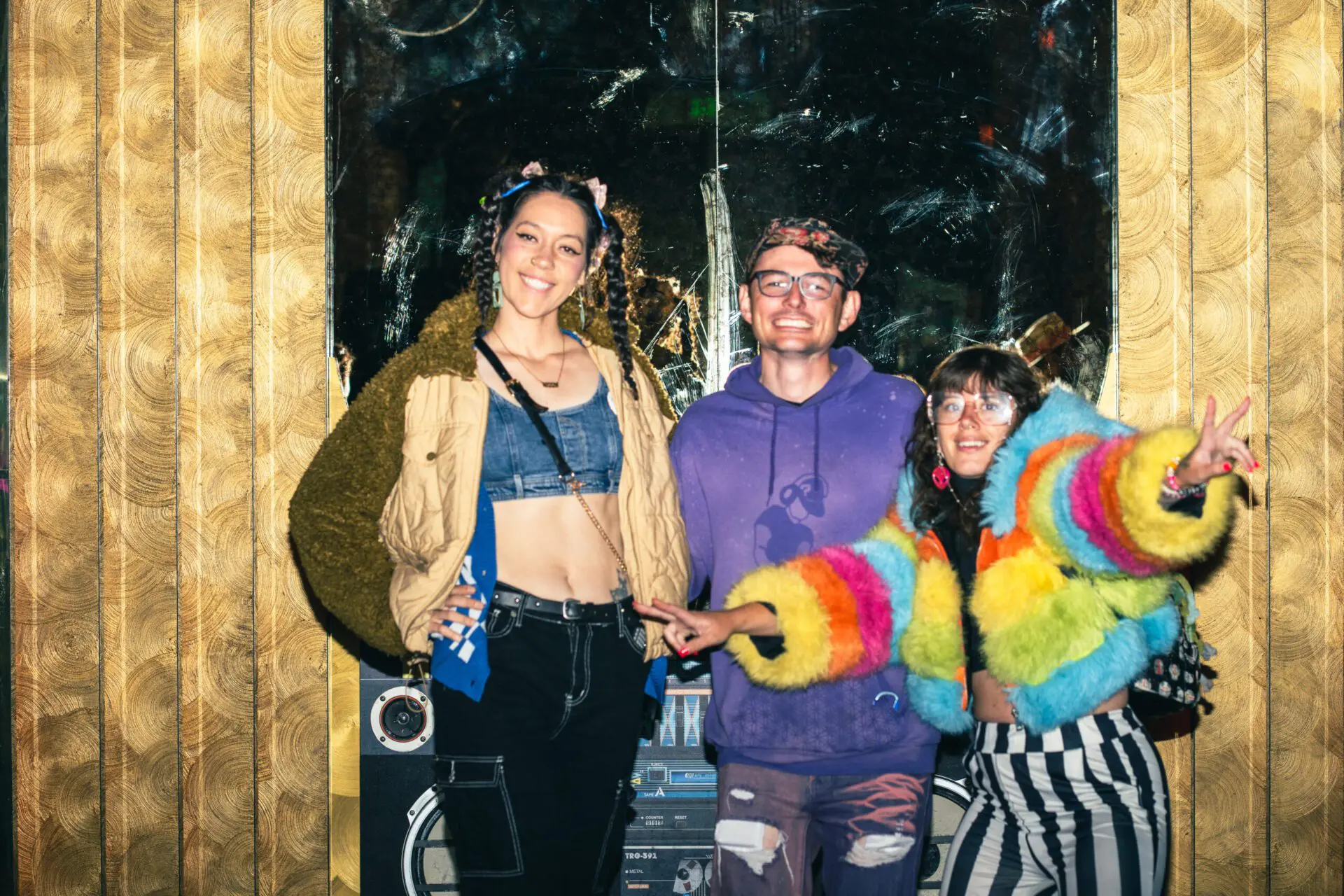
ArtBattle is a live competitive painting event with 3 rounds in which about 8-12 artists create pieces of work from start to finish in just 20 minutes.
The main Art Battle venue is a club. It was The Great Northern and now it’s at Public Works.
The artists are all together, on a stage, with their canvases. You can walk around a check them out. There are drinks, the artists usually have a drink. There’s an MC and a DJ… It’s a party. An art party. And it’s fun.
The audience votes in real time, which makes it really engaging. And you can bid on the art!
It’s high-energy and interactive – an under-the-radar gem of SF’s nightlife.
How to Do ArtBattle
- Tickets required; buy online.
- Art Battle is held monthly.
- Drinks are available onsite.




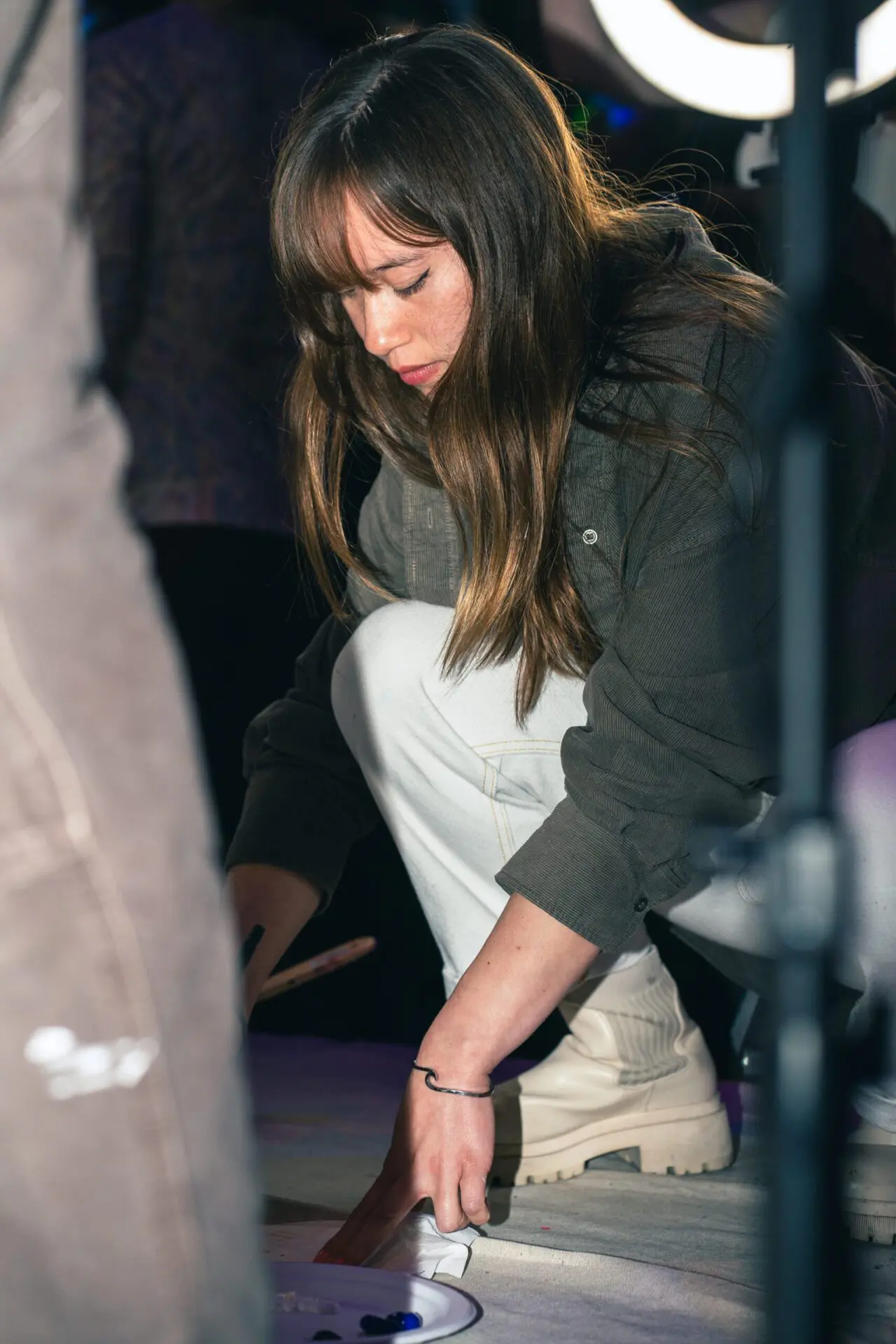
San Francisco is one of the best cities in the U.S. for global food.
In one day, you can have dim sum in Chinatown, pupusas in the Mission, Ethiopian in the Fillmore, and Italian in North Beach. It’s a foodie passport without leaving the city.
How to Eat Around the World
- Choose your food genre by neighborhoods, or vice versa, using this complete SF neighborhood guide.
- Consider doing a restaurant crawl (split 1 plate and 1 drink at each stop) – the Embarcadero is one of the bestareas for this.


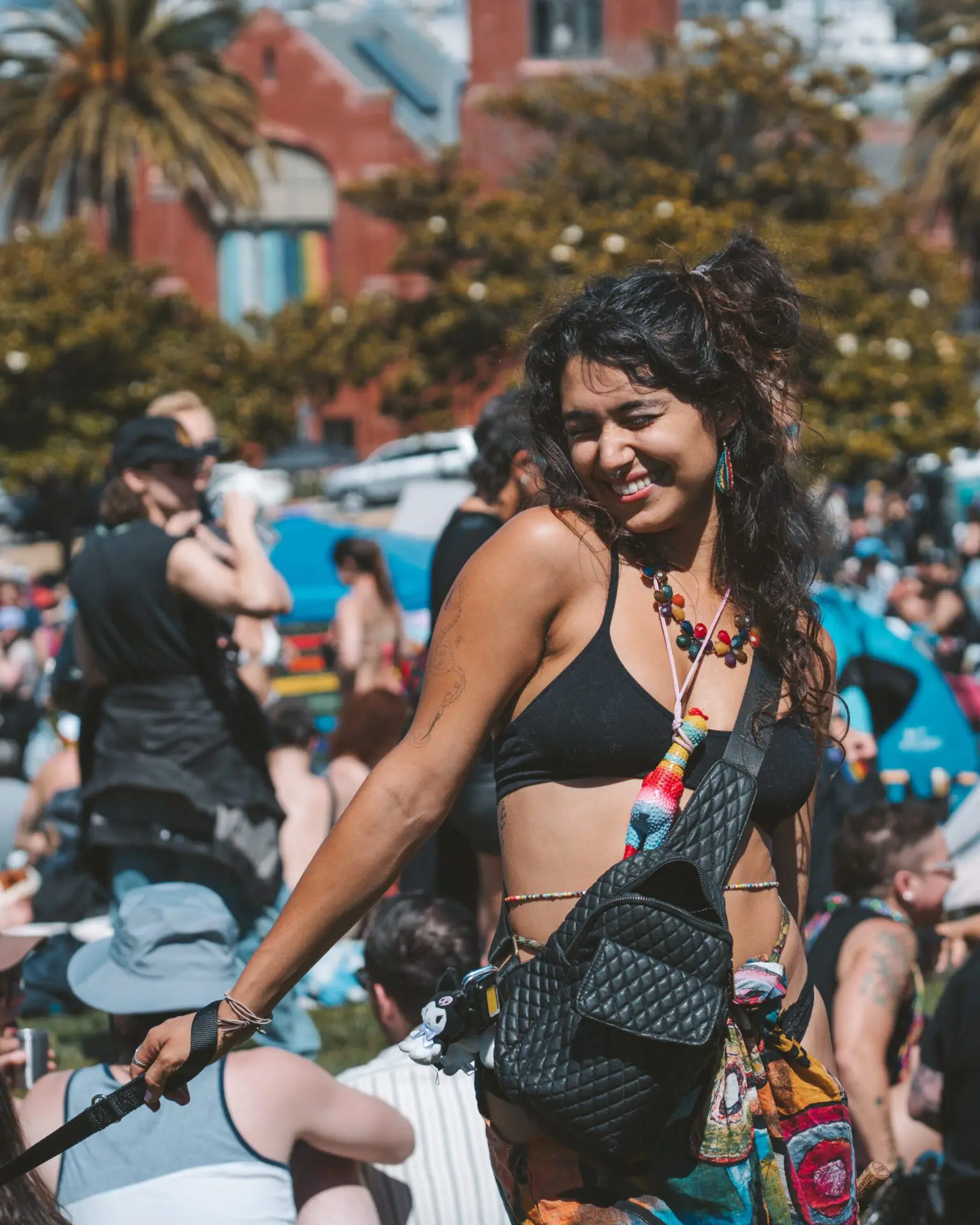
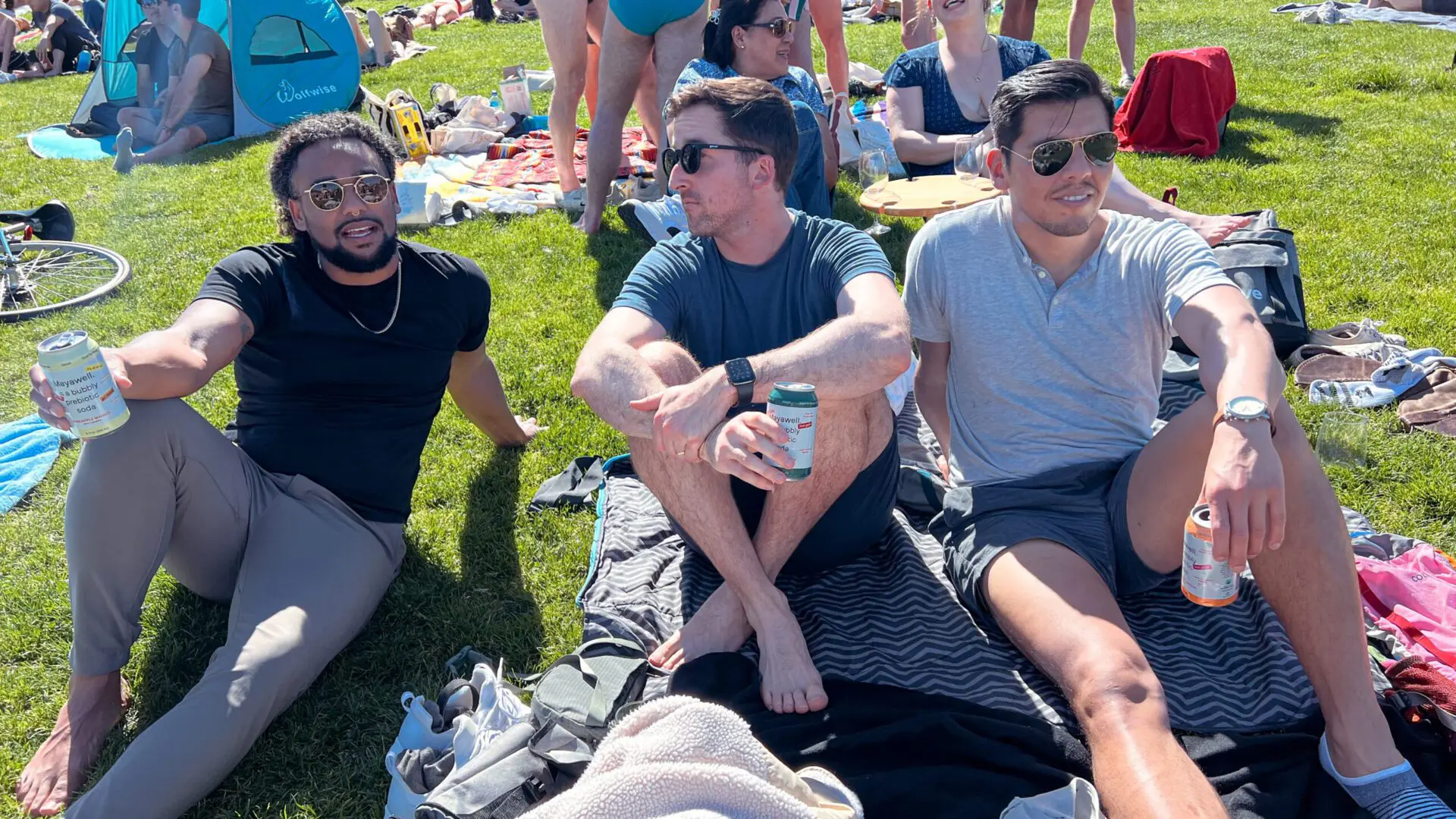
Dolores Park is San Francisco’s living room – sunny, lively, and packed with locals. Like packed.
When it’s sunny, literally thousands of people will gather on the slanted, 2-block lawn with blankets, dogs, and drinks. Many of the men scantily clothed.
The skyline view from the top of the park is unbeatable. It’s the ultimate people-watching spot, as it’s near the fruit shelf.
Weekends are busiest and most fun, especially when the weather is nice. Weekdays are for intramural sports (sign up with Volo if you’re interested), and the park is actually the center of the Pride celebrations on Pink Saturday.
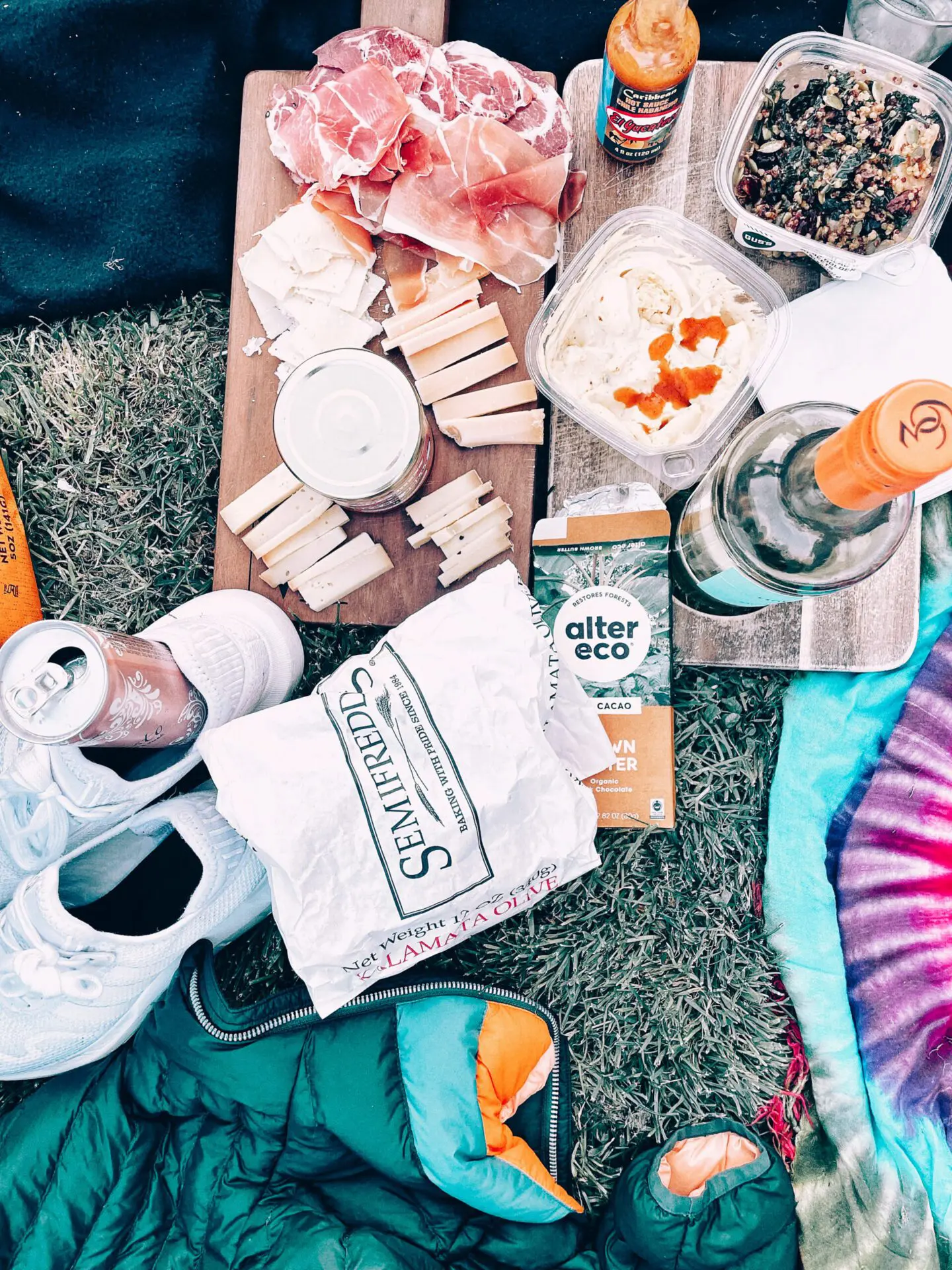
How to picnic at Dolores Park
- Stop at Mr. Liquor for a cocktail in a bag or Bi-Rite for some snacks and wine
- Free to enter, open daily.
- Bring your own snacks, drinks, and blanket. Also bring a sweater for when the sun goes down.



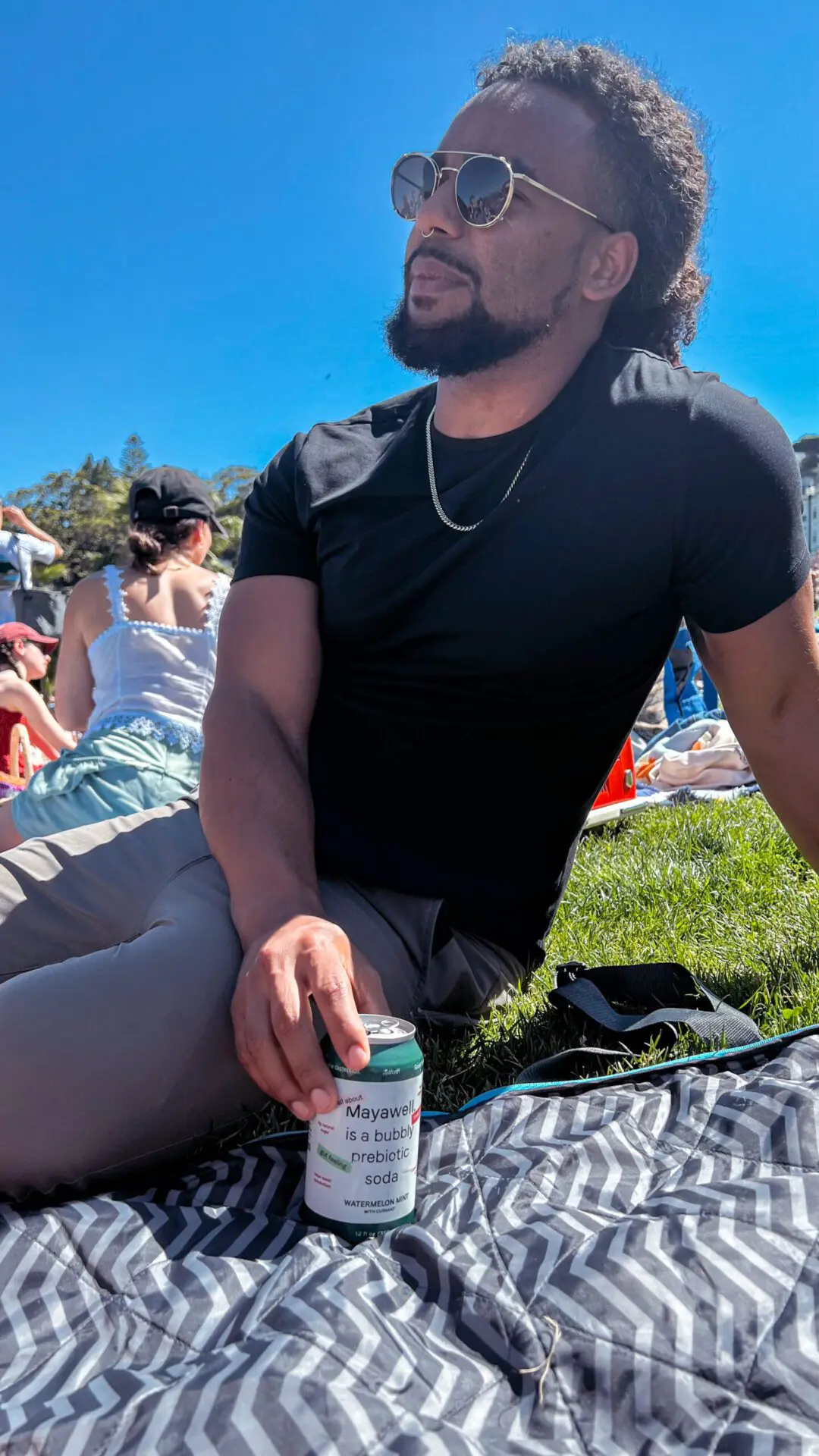


Start at Oracle Park and bike along the Embarcadero, across the Golden Gate, and into Sausalito.
Along the way, stop for seafood, coffee, and snacks at hidden gems.
The ride mixes iconic views with foodie indulgence. Many riders return by ferry.
Here is the blueprint for San Francisco’s most epic foodie bike ride.
How to do the Foodie Ride
- Rent a bike near Oracle Park.
- Ride is ~10 miles, level 1 difficulty.
- Ferry back from Sausalito with your bike.


San Francisco is just 7×7 miles, making it possible to walk the entire city in a day – and social media has made a thing out of it.
There are three routes that intersect at one point and which take you through neighborhoods like Chinatown, the Mission, and the Marina. The walk is tough but rewarding – a true urban adventure.
How to Do the 7×7 Walk
- Wear good shoes. This isn’t the city or the occasion to be cute and you can definitely expect hills.
- Break it up with food stops. And drink stops.
- Don’t fuck around, block the whole day.
- You can Google the various routes and tailor them to your liking but here is one route you can follow, in this Reel (right)

If an all-day walkabout in the city is too much of a commitment, go sudden death with an urban hike.
San Francisco is one of the best cities in the U.S. for urban hikes. You can explore eucalyptus forests, stairway walks, and hidden neighborhoods – and still make it to dinner. It’s the perfect mix of city views and nature – very San Francisco.
Here are some of our favorites:
How to Urban Hike
- No need for crampons or anything, just bring layers; SF weather shifts quickly.
- Bring snacks and water – many hikes lack vendors.


Perched on the rugged edge of Land’s End (urban hiking) Trail, the ruins of the Sutro Baths and the historic Cliff House are two of San Francisco’s most ghostly, romantic relics.
Built in 1896 by former mayor and eccentric millionaire Adolph Sutro, the baths were once the largest indoor saltwater swimming complex in the world. It was a public oasis – a glass-domed complex of seven pools fed by seawater, heated by boilers, and connected by marble staircases and iron walkways.
After decades of decline, a suspicious fire in 1966 reduced it to the haunting concrete shells of ruins you can wander today.
How to visit Sutro Baths
- Free to enter, open daily.
- You just kind of climb around the ruins and reminisce on a past before your time.

Just above the ruins stands the Cliff House, which has burned down three times since the 1890s – each time rebuilt grander until its most recent closure in 2020. The stretch of road leading there has its own tragic lore: at least two cars have plunged off the cliffs over the years, feeding local legends of ghosts seen in the mist below.
Just yesterday it was announced that the Cliff House is finally set to reopen in 2025. I will be grabbing a reservation as soon as whatever the next iteration of this historical restaurant may be.
How to visit The Cliff House
- Free to enter, open daily, because it’s not really even open, it’s just kind of still there.
- Again, you’re just kind of climbing around and taking in the atmosphere.
The cable car
During the height of the Baths and the Cliff House, Adolph Sutro wanted San Franciscans of every class to be able to reach them, way out at what was then the edge of civilization. The city’s streetcars didn’t go that far west yet, so he built his own private transit line – the Cliff House Railroad (later known as the Sutro Railroad).
It started as a steam train in 1886 that ran from the intersection of California Street and 2nd Avenue (near today’s Presidio Heights) through the Outer Richmond to Sutro Heights Park, Sutro Baths, and the Cliff House. Later, it was replaced by a cable car and electric streetcar line operated by the Ferries & Cliff House Railway.
The route was spectacular – it hugged the cliffs above Ocean Beach with sweeping views of the Pacific. But it was also dangerous: steep grades, strong winds, and fog so thick you could barely see the next pole. Over the decades, multiple accidents and derailments were reported, including a few cars that slipped off the tracks near Point Lobos Avenue, plunging toward the cliffs.
By the 1920s, as cars took over, the old Cliff House line was shut down, and only fragments of the track bed remain near Land’s End – you can actually walk part of it on the Lands End Coastal Trail, where the trailbed follows the original right-of-way of Sutro’s line.
Wild, windy, and endlessly photogenic, Ocean Beach is San Francisco’s no-frills edge-of-the-world escape – a three-and-a-half-mile stretch of sand where the Pacific crashes hard against the city.
If you’re coming from Southern California or Miami, let’s level set – you’re probably not going to like it. On a sunny day, it feels like LA’s cooler, moodier cousin with much more grainy sand; on a foggy one, it’s pure ’90s grunge coastal poetry.
Pretty soon, however, things are going to change. The Great Highway, which runs parallel to the beach, is now permanently closed to cars – and the city plans to make much of it a permanent park and promenade. Locals bike, skate, and stroll freely along the oceanfront, often with coffee from Andytown Roasters in hand.
How to do Ocean Beach
Bonfires
From March through October, the National Park Service allows bonfires in the designated fire rings between stairwells 15 and 20 (near the Beach Chalet end). Fires are permitted until 9:30 p.m., and you’ll want to arrive early – locals claim spots fast on clear weekends. Bring your own wood (no pallets or trash burning), a blanket, and a windbreaker – it gets cold, even in July.
Volleyball
On most weekends, you’ll find Volo SF (formerly SF Social) hosting volleyball leagues and clinics along the middle section of the beach, near Stairwell 21. There’s a group on Heylo that has about 100 people out there every Saturday just playing casually, it’s actually really fun and it’s not intimidating. Outside of that, there’s almost always pickup volleyball – just show up with a ball and you’ll likely get waved in (but you might want to have your basic bump set spike down for this). People also bring footballs and frisbees and just throw them at each other over and over again like dogs. Great exercise.
Kite flying
Kite flyers love the southern stretch near Sloat Boulevard; you can grab inexpensive, colorful kites at Ocean Beach Surf & Skate on Judah.
Surfing
The surf here is legendary but tough – strong currents, cold water, and unpredictable swells make it more suitable for experienced surfers. Locals hit the water year-round in full wetsuits. Beginners usually head to Pacifica instead. I personally don’t surf this side of Hawaii.
Picnicking & Relaxing
Picnics are allowed anywhere on the beach, but most people set up near the Beach Chalet lawns for easy access to bathrooms and food. The Park Chalet (the garden restaurant behind Beach Chalet) has a big lawn for drinks, live music, and post-beach lounging, if you get tired of that San Francisco beach wind blowing sand into your eyeballs and your buttcrack.
The Great Highway
As mentioned, biking, skating, walking, or pushing a stroller along the newly pedestrianized Great Highway is novel, yet always a vibe.


Tucked beneath the cliffs of the Presidio with a postcard view of the Golden Gate Bridge, Baker Beach feels like San Francisco’s wilder, more relaxed cousin to Ocean Beach. It’s smaller, more sheltered, and framed by bluffs that glow during golden hour. The waves are powerful here – beautiful to watch, but dangerous for swimming due to rip currents and steep drop-offs.
Locals come to picnic, nap, read, and watch the bridge disappear into fog, often with wine, dogs, and friends in tow.
The vibe: The northern end of the beach has long been “clothing-optional,” which is really an euphemism for gays cruising. When my girlfriends and I walked through on our urban hike we saw 3 penises.
What to do: There aren’t volleyball nets or bonfire pits here, but it’s perfect for picnicking, photography, and sunset hangs. The views of the bridge and Marin Headlands are unbeatable, and on clear days you’ll spot dolphins or seals offshore.
Facilities: There’s a parking lot, restrooms, and picnic tables near the main entrance at Gibson Road. Fires and grills aren’t allowed.
How to do Baker Beach
- Arrive early on weekends – parking fills fast.
- Bring layers; the wind picks up hard in the afternoon.
- Stick to the southern side if you’re looking for family-friendly, or head there if you’re looking to cruise.
- Walk along the Batteries to Bluffs Trail or up to Marshall’s Beach for even more secluded views.

The Castro is one of the first openly gay neighborhoods in the U.S. Today, it’s filled with rainbow flags, lively bars, and historic theaters like the Castro Theatre.
It’s a neighborhood with global cultural significance, and you can make a whole day out of it. Check out this guide for more info on the neighborhood, and here is a suggested itinerary for a Castro Day:
How to do the Castro
- Arrive by Muni Metro (Castro Station).
- Start your morning with a free walking tour of the Castro (San Francisco City Guides) – it begins at Jane Warner Plaza right outside Castro Station, the final stop on the Muni Metro K or L line. Guides share stories of Harvey Milk, the AIDS Memorial Quilt, and how the neighborhood became the heart of LGBTQ+ activism.
- Stop by the legendary Castro Theatre – one of San Francisco’s last great movie palaces, famous for its neon marquee and sing-along screenings. The theatre is reopening in 2025 with a residency by Sam Smith, following a full renovation that’s set to bring live performances back to Castro Street.
- Walk down to 575 Castro Street, the site of Harvey Milk’s old camera shop, which doubled as his campaign headquarters. It has a lot of cool LGBT shopping and – to be frank, porn in the back. But it was shot by harvey Milk so it’s interesting, just don’t like, bring the fam in.
- Right next door, grab lunch at Anchor Oyster Bar – a neighborhood institution serving chowder, oysters, and Dungeness crab for more than 40 years.
- Treat yourself at Hot Cookie – a Castro icon known for its cheekily-named, NSFW-shaped cookies and unapologetically queer energy.
- Eat your cookie on the Rainbow Crosswalks outside or stroll the sidewalks honoring LGBTQ trailblazers on the Castro Walk of Fame.
- Spend the afternoon bar-hopping or boutique-hopping. Start with Moby Dick Bar – a laid-back neighborhood favorite with a fish tank behind the bar and a loyal local crowd.
- For an afternoon snack (or a hearty dinner), head to Blind Butcher for craft cocktails and a meat board in a sleek, modern space that still feels very Castro.
- As night falls, the Castro lights up. The weekends bring crowds, drag shows, and spontaneous dance floors spilling onto the street. Don’t miss snapping a photo beneath the Castro Theatre’s neon glow – it’s the heart of the neighborhood and a reminder that this district has always been about joy, resilience, and community.


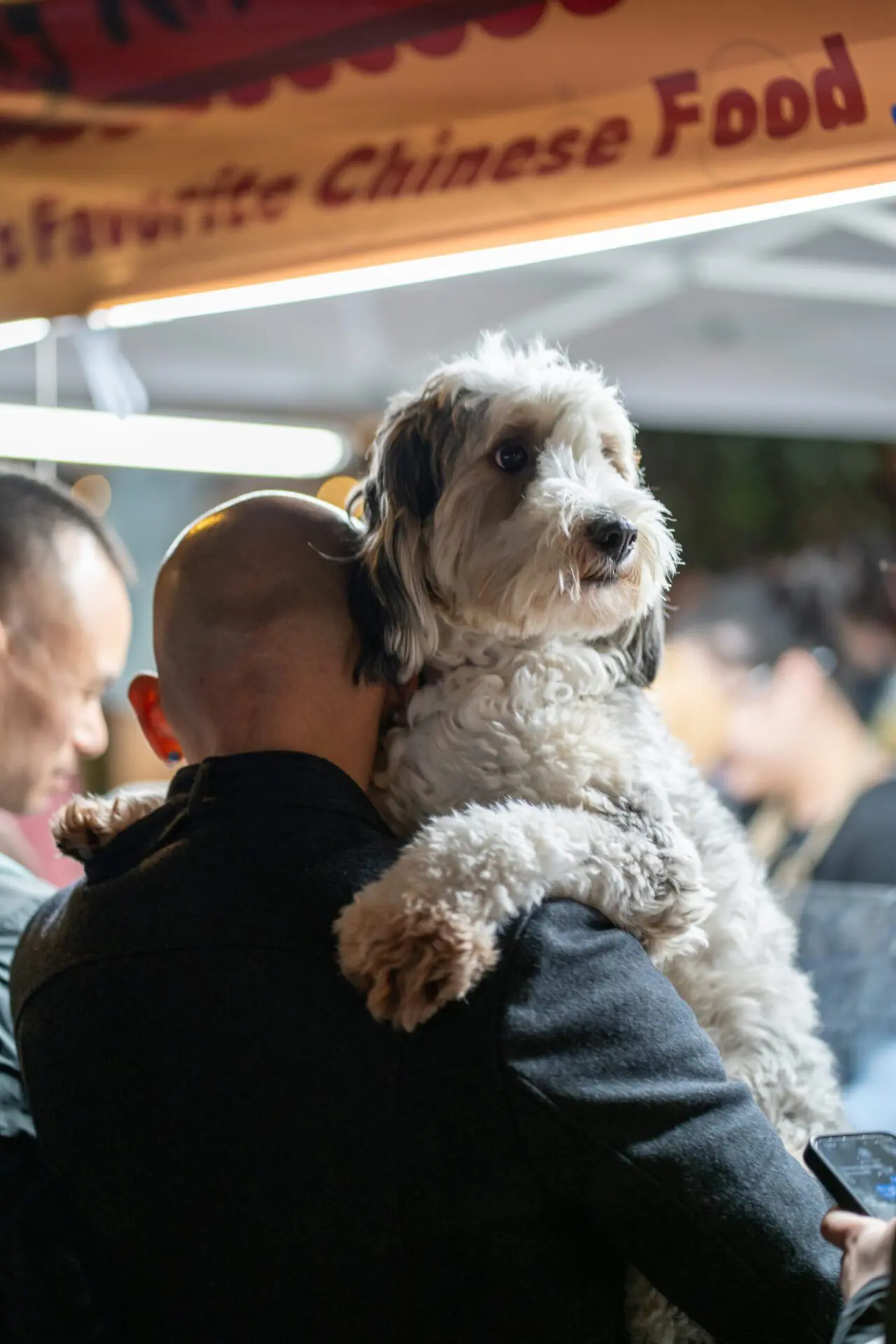
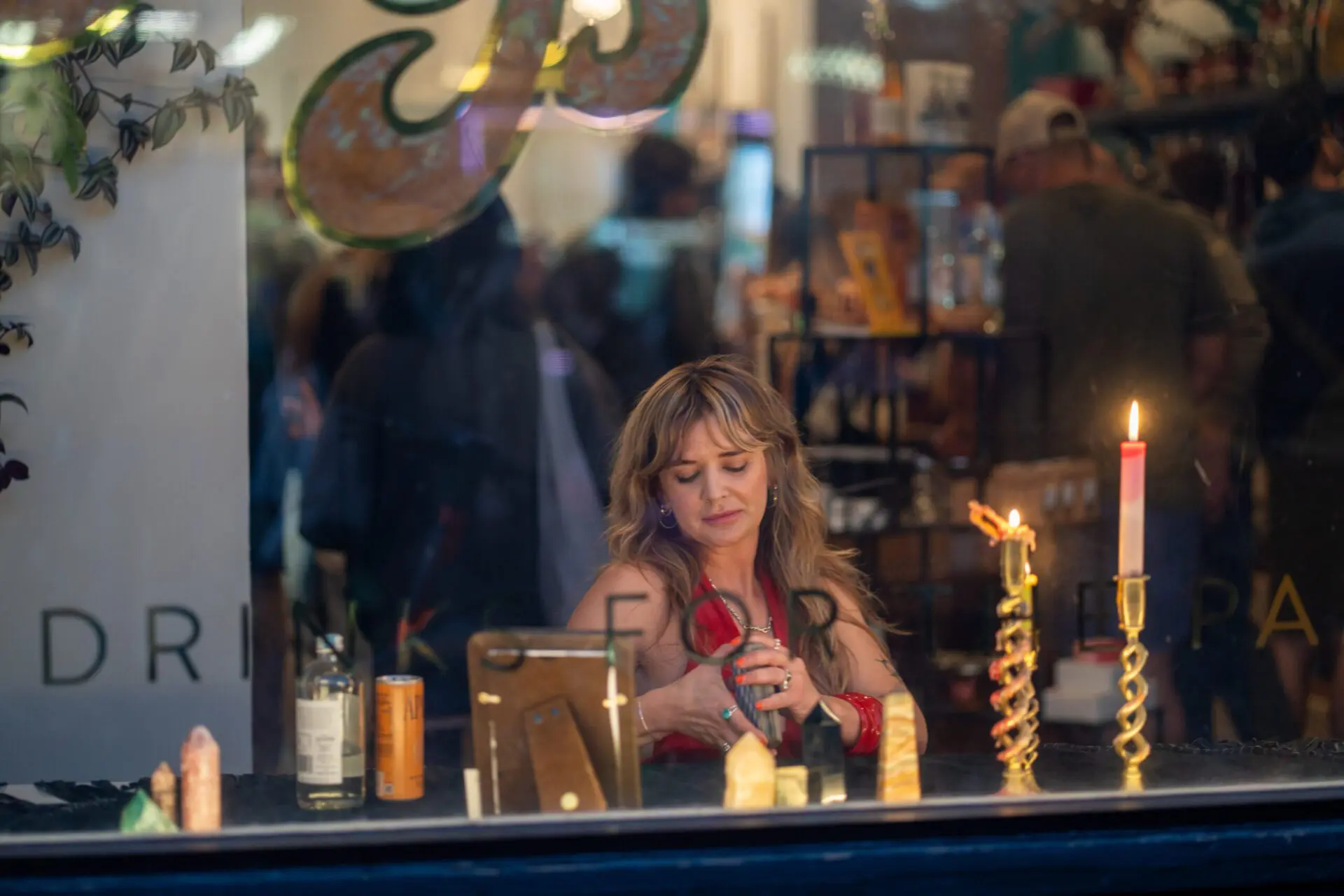
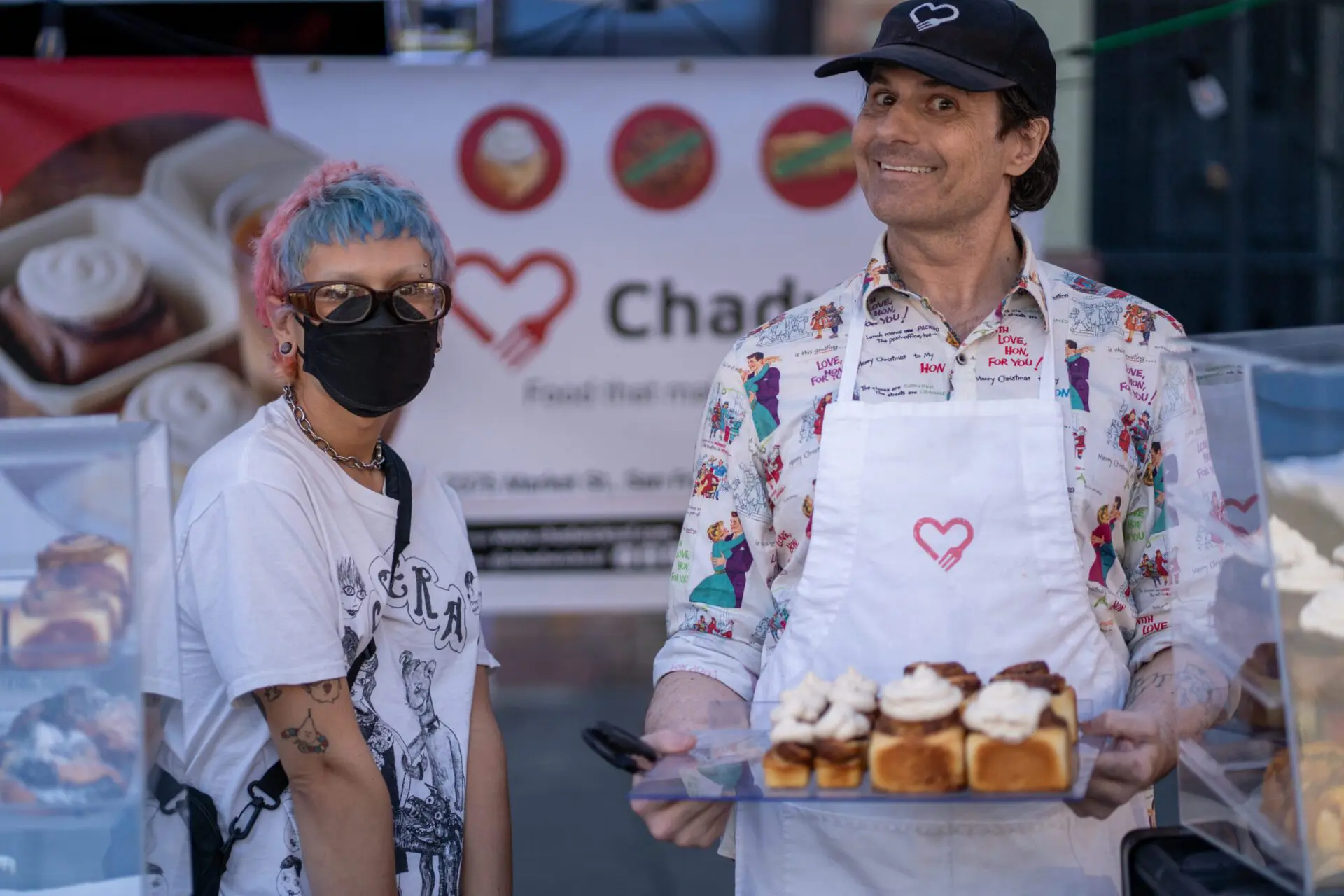


Sofar Sounds is like the anti-tourist thing to do. This grass-roots organization transforms ordinary spaces – living rooms, warehouses, rooftops, cafes – into intimate pop-up concerts that feel like a secret shared between friends. It’s one of the coolest events I’ve ever been to.
Each show features three unannounced artists, often emerging indie musicians, poets, or singer-songwriters, and the exact address is only revealed the day before the event. The vibe is chill, respectful, and completely unique – people actually listen to the music.
It’s absolutely a great date night, but also perfect for a solo music night, or scouting new local acts.
How to do Sofar Sounds
- Sign up at Sofar Sounds and select San Francisco.
- Apply for tickets for the date you want – shows typically run $25–$35.
- You’ll receive the secret venue address the day before the event via email.
- Arrive early to claim a good spot; shows are small (usually 50–120 people).
- Most shows are BYOB or allow drinks; check the event email for rules.
- Expect a listening-room vibe – quiet during sets, social between them; respect the artists and the room.
- Bring cash for tips or merch if you want to support performers.

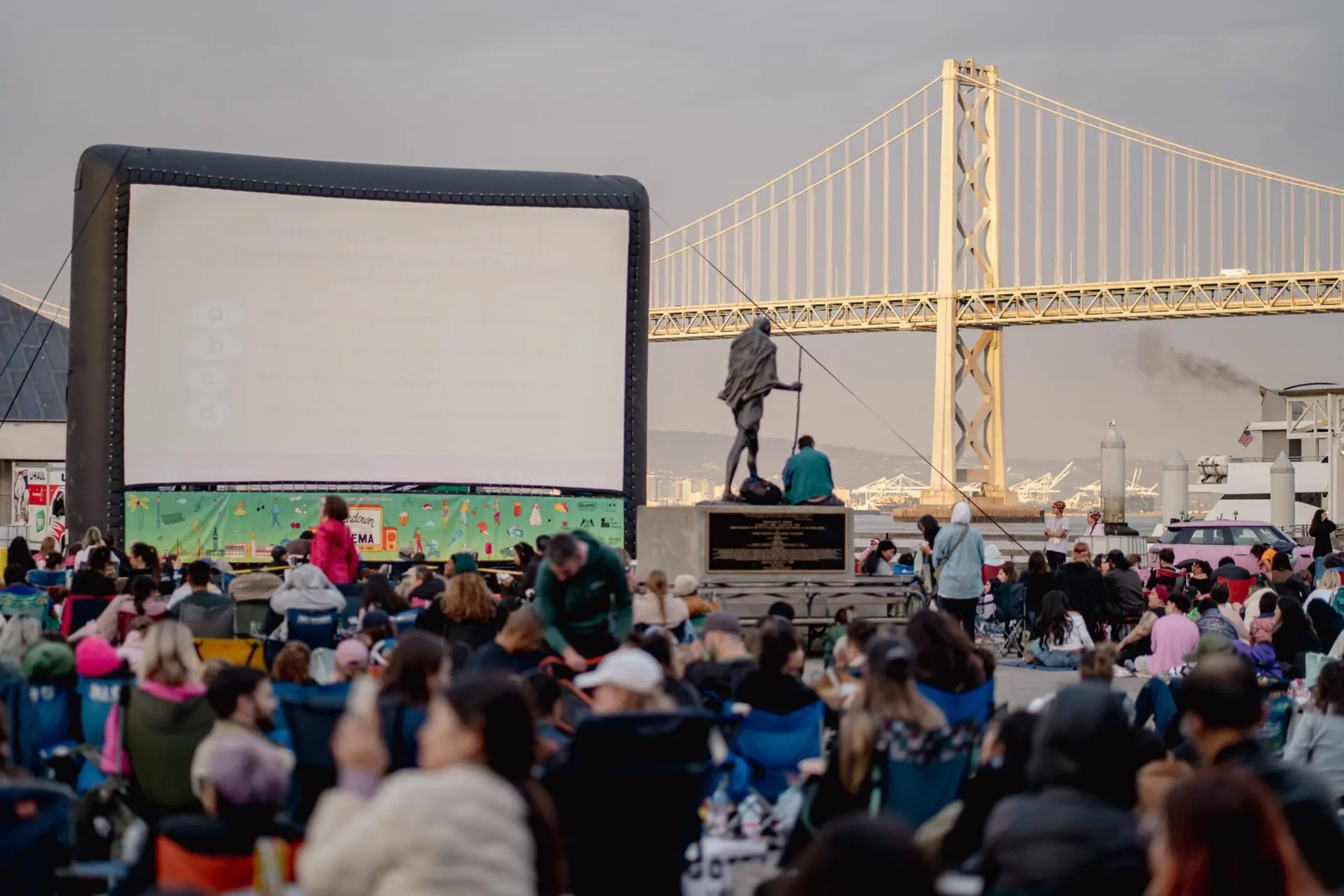
Back after a recent scandal that almost put them under, Sundown Cinema will survive 2025 and, as with Sofar Sounds, is a very grass-roots, chill, non-touristy – and very SF thing to do.
You basically BYO everything. Chairs, blankets, lots and lots of warm clothes, food and drink. And watch a movie outside, at a given location, like a park. There’s usually some pre-screening entertainment, like movie-relevant trivia or costume contests.
The movie choices are always good, from filmed-in-SF to classics to gay ones, they’re always a good tine.
How to do Sunsdown Cinema
- Check the schedule
- Put it in your calendar and invite all your difficult-to-plan-with friends (no need to buy tickets or anything)
- Go to Trader Joe’s and buy charcuterie and wine, or get sandies from Gus’s
- Ask your lesbian friends to pick you up in their Subaru so you can use their camping chairs and blankets that they have in the back
- Arrive early for a good seat, and to chat and hang before the movie starts and people start shushing you



If all of this sounds like too much work or you’ve never left Kansas City before and you still think we have transgender gangs that will corner you if you travel without a pack, just book a tour.
There are plenty of great options here, and joking aside, I would do most of these if I was more apt to accommodate groups.
San Francisco is one of those cities that rewards you for wandering – the more you let yourself get a little lost, the more you stumble into the stuff that makes living here feel unreal. Some weird, but all fun and interesting.
We have unmatched waterfront sunsets and chaotic street festivals, neighborhood dives, world-class food, and the kind of views that will keep you off of your phone for a change. This place is built for exploring.
First-timers and locals alike can follow this guide for the best things to do in San Francisco and the experiences that will keep you coming back.
If you’re planning a trip to San Francisco soon check out these articles on SF’s best neighborhoods and best foodie experiences.
For hotels, check out the options here:
You can also find flights below:
If there are any other San Francisco activities that you want to know more about let me know in the comments and I’ll do some research.
If you want to message me privately, I’ll respond on Instagram @Le_Gipset
This blog may contain affiliate links. If you make a purchase through these links, I may earn a commission at no additional cost to you.
This helps support the blog and allows me to continue creating content. Read my fulldisclosure for more info and thank you for your support.
Related Posts
Pacific Grove: the doorway to Big Sur
I’ve lived in California my whole life and had never been to Big Sur — until Highway 1 reopened and I finally made the drive. Here’s how to do it as a first-timer, with Pacific Grove and the brand-new Kimpton Mirador as your home base.

10 Best Cafes in San Francisco by Neighborhood (2026)
San Francisco's coffee culture runs deep—but here's the thing: I used to love Blue Bottle. It was my weekend ritual. Then Nestle bought them. That...
Campervan Travel in US: What It Costs, What to Know, and Whether It’s Worth It
Curious about campervan travel in the US? This guide covers everything from van rental costs ($150-$450+ per day) to where you can legally camp, insurance requirements, and whether the van life is worth the trade-offs—plus insider tips from someone whose parents are full-time campervan travelers.
0 Comments