

Van life reality check
Campervan Travel in US: What It Costs, What to Know, and Whether It's Worth It
FUNDAMENTALS
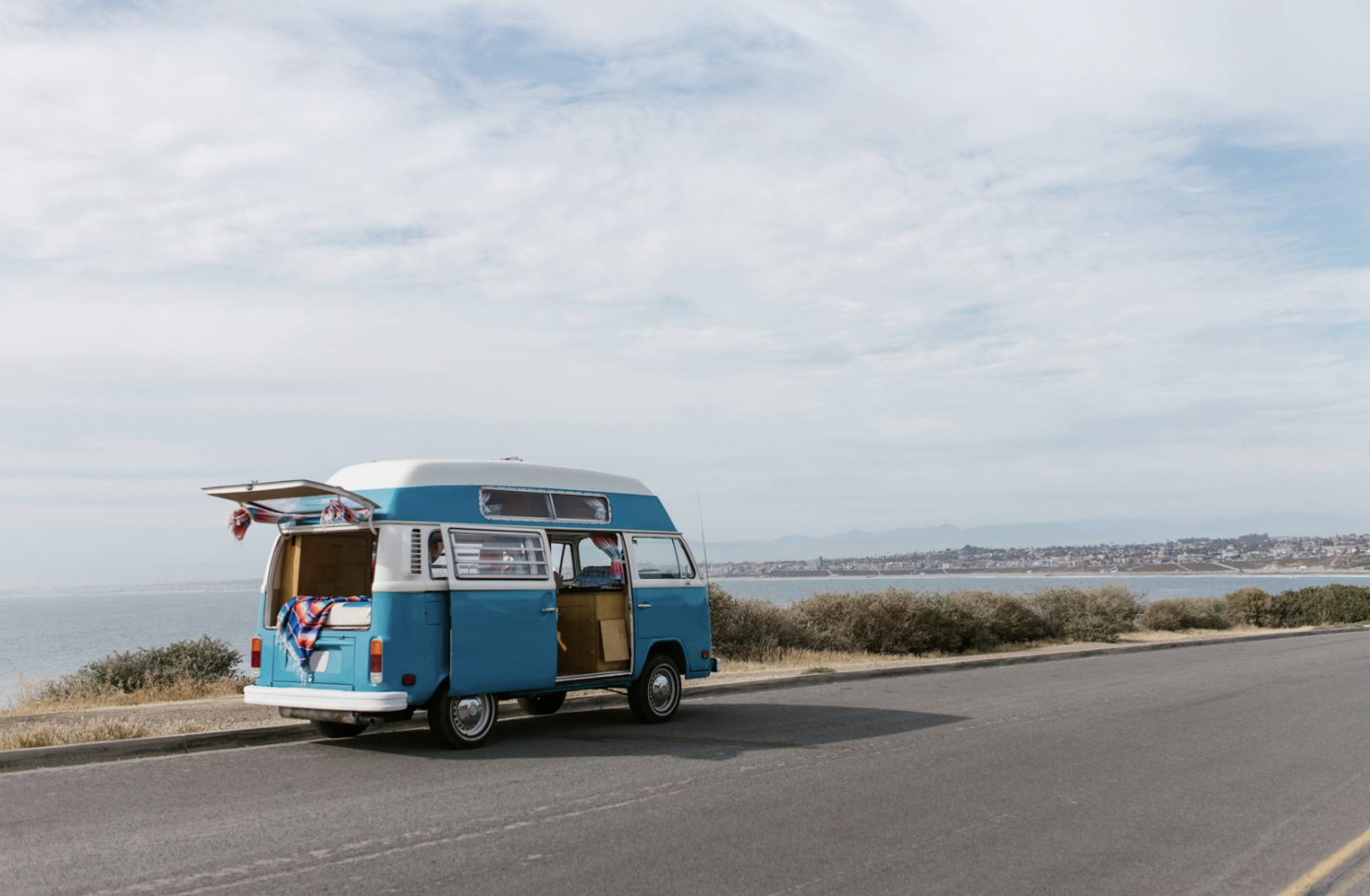
What Exactly Is Campervan Travel?
They come in various sizes, including compact 2-berth vans for couples, 4WD for off-roading and high-tops for families. Features can include full bathrooms, cooking facilities, and extra headroom. On the upside, these types of vehicles are not as big or intimidating as an RV, making them much more manageable for those who have not driven one before.
In America, you can rent campervans nationally from platforms like Outdoorsy and GoCamp. Companies like Blacksford, Moterra, and Voyager operate on a more regional basis.
What makes campervan travel so appealing is the freedom it provides. You’re not locked into hotel bookings or strict plans. Instead, if you like a place, you can simply stay longer. If you don’t, you just move on.
It’s a great option for couples, solo travellers, or even a couple of mates travelling together. In fact, anyone who enjoys road trips or doesn’t mind keeping things simple tends to love it.
COSTS
How Much Does Campervan Travel in the US Cost?
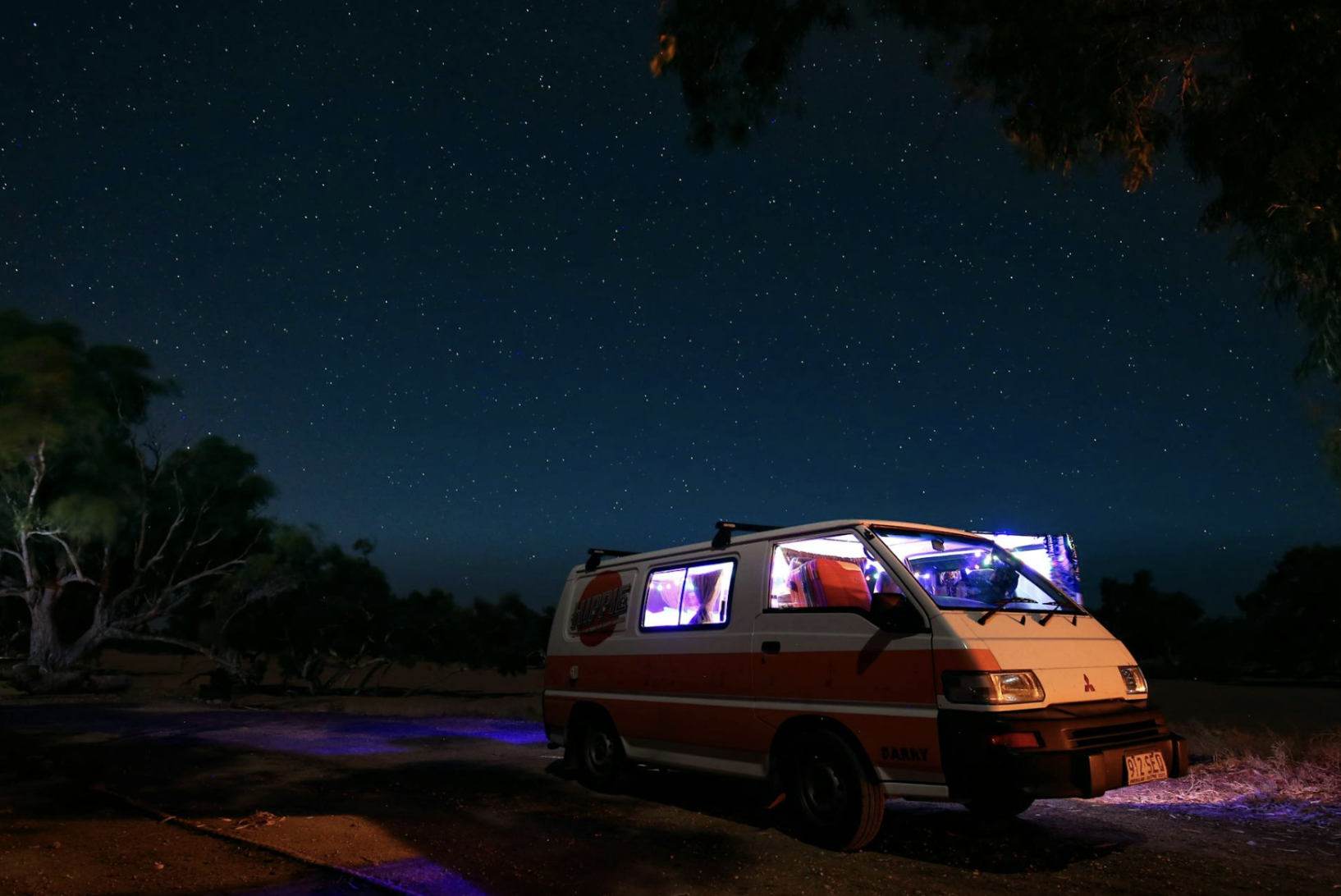
However, on top of that, you will also have to pay for fuel, campsite fees, and insurance. So, the real cost could be closer to $1800 per week.
This might sound expensive on the face of it. But when you consider how much you might have to pay for accommodation and the benefits of travel flexibility it provides you with, it can be quite cost-effective overall.
PARKING & CAMPING
Where Can You Park and Sleep in a Campervan in the US?
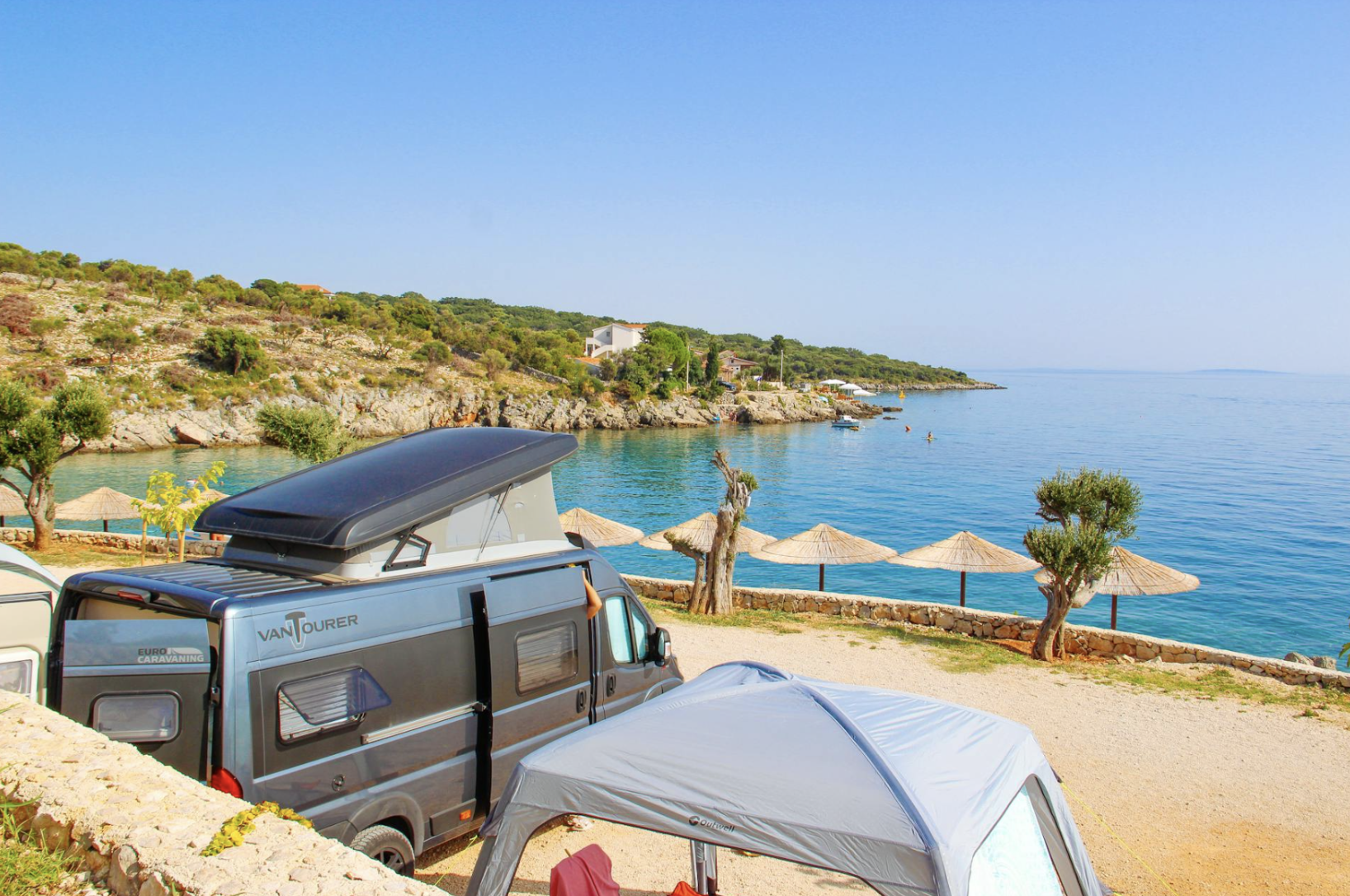
Unfortunately, you can’t just do this anywhere because you have to comply with local state law, private property restrictions, and signage. However, you do have a few options:
- Campgrounds and RV parks
- National park campsites
- Free camping areas on public land
Free camping is a big part of the appeal of van life. In fact, in many states, you can camp on public land managed by the Bureau of Land Management (BLM) and U.S. Forest Service (USFS) for free. This includes Arizona, California, Colorado, Idaho, Montana, Nevada, Oregon, Utah, and Wyoming. Usually, they allow free dispersed camping for up to 14 days, typically in scenic, undeveloped spots away from cities.
There are plenty of other sites where you can stay, but you will have to pay. Generally, they will charge you anywhere between $30 and $100+ per night, depending on where they are located and what amenities they offer. Such amenities could include hot showers, washing facilities, a swimming pool and a kitchen cookout.
BEFORE YOU RENT
What You Need to Know Before Renting a Campervan in the US
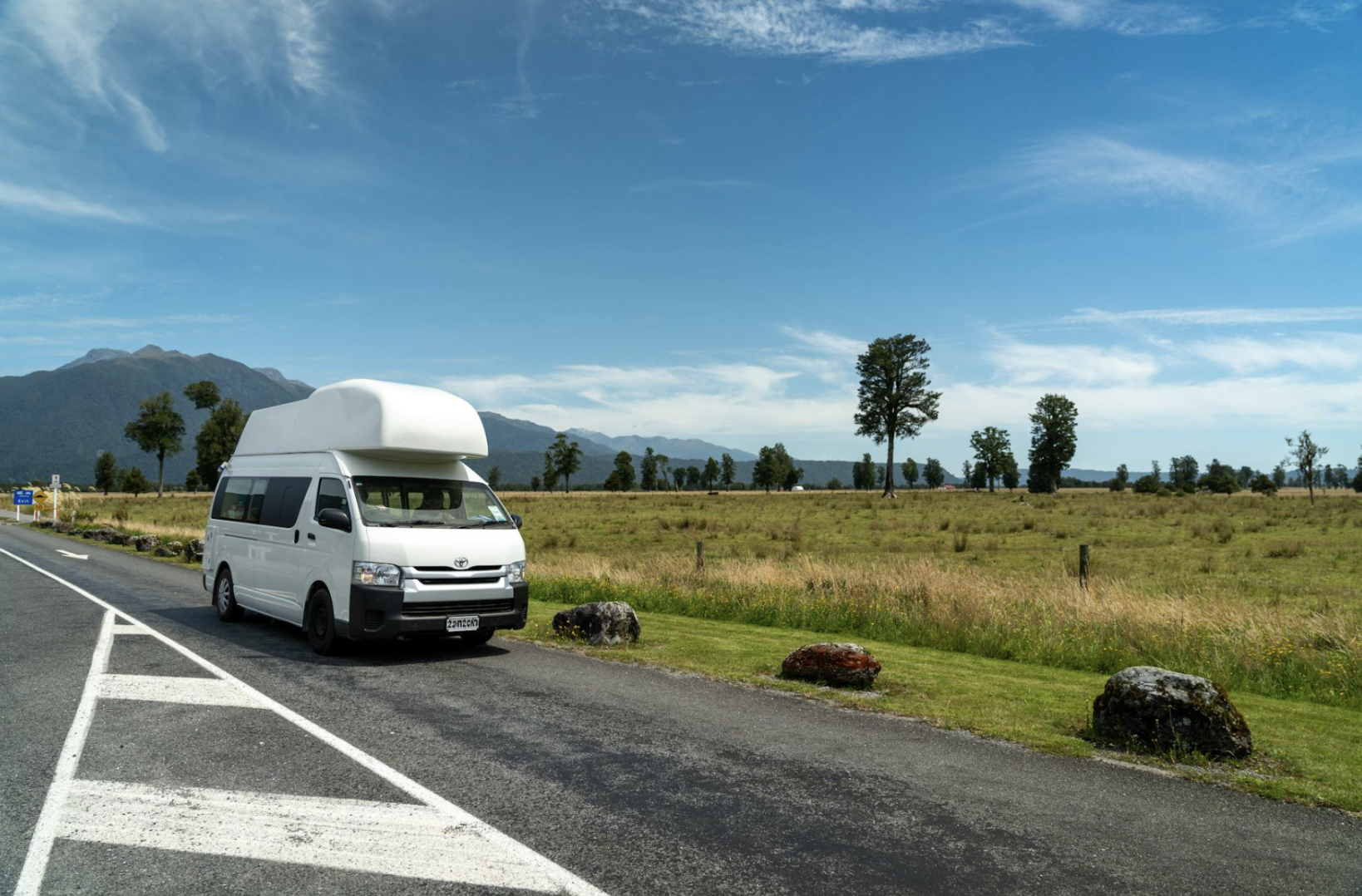
If you do intend to hire a campervan out during your American travels, there are a few things you should know.
To start with, it is essential to take out campervan and motorhome insurance because you’ll want to stay covered for any unexpected eventuality on the road.
Additionally, most companies have age limits, which usually start at 21. That said, some will charge you a young-driver fee if you are under 25. Moreover, if your driving licence is in English, you should be fine. However, if not, you may need an international driving licence to make things easier.
It is always a good idea to hire your campervan early. This is a popular form of travel in the USA, so availability can be scarce or expensive during peak season. You might also want to become a member of the National Park Service to reduce your entrance and camping fees.
Lastly, you should brush up on the road rules in the USA, especially if you are used to driving on the left.
THE REALITY CHECK
Pros and Cons of Campervan Travel in the US
Campervan travel in the US gives you a level of freedom that’s hard to replicate with any other style of travel. For instance, you can wake up near national parks. Chase better weather. And change your plans without needing to cancel bookings or stick to a rigid itinerary. It also means you always have your accommodation with you, which takes away the time and stress involved in checking in and out of hotels.
The Downsides:
At the same time, you should be aware that vanlife does come with a few trade-offs. Probably the one that gets people down the most is the limited space. Unlike in a hotel, you don’t have the space to spread out. So you’ll need to be organised and comfortable living in close quarters.
Additionally, long driving days can feel tiring, especially if you’re covering large distances between destinations in California, Texas, or other similarly large states. For this reason, you might want to schedule in a few rest days. You’ll also have to consider practical things like water, waste, and where you’re staying each night.
Have fun on the road!
If you want to message me privately, I’ll respond on Instagram @The.HauteBohemian
This helps support the blog and allows me to continue creating content. Read my full disclosure for more info and thank you for your support.
0 Comments